Category: Blog

  • The Power of a Decision and Sticking to It

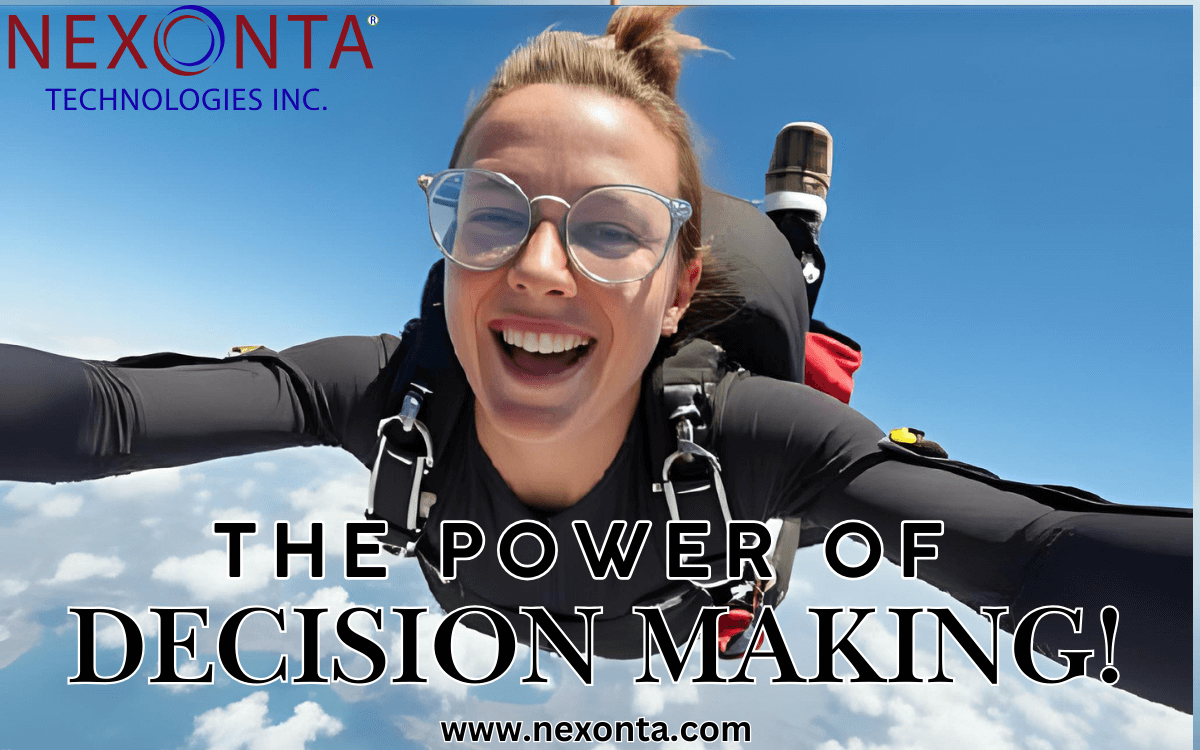
    The Power of a Decision and Sticking to It

    There’s something almost magical about making a real decision. Not the half-hearted, “I’ll try” kind of choice. I’m talking about the moment when you decide, deep down, that you’re going all in.

    When that happens, everything inside of you shifts. Your mind gets focused, your body follows, and your emotions and spirit line up behind it. Suddenly, you’ve got momentum. You’ve got clarity. And that creates a kind of super force that makes almost anything possible.

    Why Most People Struggle With Decisions

    The truth is, many of us hesitate when it comes to making firm decisions. We want to “keep our options open.” We wait for the perfect time. Or we bounce between choices because we’re afraid of choosing the wrong one.

    But here’s the kicker: indecision drains energy. It leaves you stuck. The moment you commit, you cut through all that noise. Instead of spreading yourself thin in ten directions, you channel your energy into one path—and that’s when things start to move.

    Alignment Creates Power

    Think of it like this:

    Physical – You take action. You show up. You do the work.

    Emotional – You bring passion and drive. You care about the outcome.

    Spiritual – You connect to a deeper “why” that keeps you grounded.

    When all three line up, you become unstoppable. It’s not just hustle—it’s purpose-driven hustle. That’s the difference between burning out and breaking through.

    Business and Life Are Built on Decisions

    In business, decisions separate the dreamers from the doers. You can brainstorm all day, but nothing happens until you decide to act. The same is true in life. Whether it’s starting a fitness routine, launching a side hustle, or finally pursuing that creative idea—you don’t need the perfect plan. You need the courage to decide and the discipline to stick with it.

    Sticking With It Is the Secret Sauce

    Making a decision is powerful. Sticking with it is transformational. The world is full of people who started strong and faded out. The real breakthroughs happen when you keep showing up, even when it’s boring, tough, or inconvenient.

    Consistency beats talent. Persistence outlasts luck. When you stick to a decision long enough, momentum starts working in your favor. Doors open. People notice. Progress compounds.

    Final Thought

    The power of a decision isn’t just about the choice itself—it’s about who you become by following through. Every time you stick with something, you build trust with yourself. You prove that when you say you’ll do something, you mean it.

    And that kind of self-trust? That’s worth more than gold. Because once you have it, there’s almost nothing you can’t create in your business or your life.


  • The World of Media and Digital Marketing Search Is Rapidly Shifting – Here’s How to Stay Ahead

    The World of Media and Digital Marketing Search Is Rapidly Shifting – Here’s How to Stay Ahead

    If you’ve been paying attention, you already know this: the world of media and digital marketing search is changing at lightning speed. The strategies that worked even a year ago don’t carry the same weight today. Algorithms evolve, AI is reshaping how we find and share information, and search itself is becoming more intuitive, predictive, and competitive.

    Here at ElevexSEO, we believe the best way to keep up is to stay simple, stay smart, and most importantly—start. That’s why we encourage everyone in our community to begin with the basics: use the 5 free keywords you get with the AI SEO plugin for WordPress websites.

    Why Start with 5 Free Keywords?

    Because consistency beats complexity every time. Those 5 keywords give you focus, direction, and a starting point. You don’t need to pay for huge keyword lists or get lost in the noise right away. Instead, plant a flag, build momentum, and learn how search engines respond to your content.

    It’s like going to the gym—you don’t start with the heaviest weights. You start where you are, build strength, and level up.

    Level Up Gradually

    Once you’ve got your foundation with those keywords, then it’s time to scale. Test new keywords. Refine your content strategy. See what’s driving traffic, what’s boosting engagement, and where the gaps are.

    The beauty of SEO today is that you don’t need to play a guessing game. With AI-driven tools, you can get smarter insights faster, and you can adjust in real-time. This is what separates those who win in digital marketing from those who get left behind.

    Why This Matters Right Now

    Search is no longer just about words—it’s about intent. People are asking questions in conversational ways, and AI is reshaping how answers show up. If you’re not optimizing with intention, you’re invisible.

    By starting small and scaling up, you’re setting yourself up for long-term visibility. And the best part? You’re building a strategy that can grow with you, instead of chasing trends that disappear as quickly as they arrive.

    Final Word

    The world of media and digital marketing search is shifting fast, but the good news is you don’t need to do everything at once. Start simple. Use the 5 free keywords with the AI SEO plugin on your WordPress site. Learn. Grow. Then level up.

    At ElevexSEO, we’re all about helping you stay ahead without the overwhelm.

    Because in this new search landscape, the winners won’t be the ones who try to do everything—they’ll be the ones who start smart and keep building.

  • In Business as in Life: Why Failing Big Leads to the Biggest Comebacks

    In Business as in Life: Why Failing Big Leads to the Biggest Comebacks

    We’ve been taught to avoid failure like it’s a disease. From school grades to career paths, the message is the same: don’t mess up. But here’s the truth no one likes to admit—failure is not just unavoidable, it’s essential. And not just the small, safe kind of failure. I’m talking about the big, gut-wrenching, knock-you-down kind of failure. The kind that makes you question everything.

    Why? Because the bigger the failure, the bigger the comeback.

    Failure is the Greatest Teacher

    Think about the times in your life when you grew the most. Was it during the smooth sailing, everything-going-your-way chapters? Probably not. Growth usually comes after something goes completely sideways—when the deal falls through, when the business idea tanks, when you’re forced to start over.

    Those moments sting. But they also strip away what isn’t working and push us to find a better way. Failure doesn’t mean the end—it means you’ve discovered one more way that doesn’t work. That’s powerful knowledge.

    Playing Small Doesn’t Work

    A lot of people play it safe to avoid failing. They take small risks, chase easy wins, and never step too far outside their comfort zone. And sure, it feels good in the moment. But the problem with playing small is you also shrink your potential.

    If you never risk failing, you never give yourself a chance to succeed in a big way. Think about every business titan, inventor, or artist you admire. They all have a string of spectacular failures behind them. What makes them legendary isn’t that they avoided failing—it’s that they were willing to swing big, miss big, and then come back stronger.

    Failure Creates Resilience

    There’s something almost magical about hitting rock bottom. You realize that the worst has happened and you’re still standing. That perspective changes everything. Suddenly, rejection doesn’t scare you as much. Risk doesn’t feel so risky. You’ve been through the fire, and you know you can walk through it again.

    That kind of resilience is worth more than any win because it builds a mindset that says: no matter what happens, I’ll figure it out. And when you have that kind of confidence, comebacks become inevitable.

    The Comeback Story is What Inspires

    Let’s be honest, nobody gets inspired by the person who never struggled. We admire the ones who fell flat, got written off, and still came back to prove everyone wrong. Failure makes the victory sweeter. It makes your story real.

    In business and in life, the people who rise from failure are the ones we remember. They remind us that success isn’t about being flawless—it’s about refusing to quit.

    Embrace the Big Failures

    So the next time you face a big failure, don’t just see it as a dead end. See it for what it really is: the setup for an even bigger comeback. If you’re failing, it means you’re trying, you’re stretching, you’re chasing something worth doing.

    And in the long run, that’s how greatness is built.

  • Hot Wheels, Barbie, and the Billion-Dollar Toy Truth

    Hot Wheels, Barbie, and the Billion-Dollar Toy Truth

    Let’s talk toys. Not just any toys—Hot Wheels. Believe it or not, Hot Wheels isn’t just a fun brand that makes tiny cars. It’s a billion-dollar powerhouse owned by Mattel, the same company behind Barbie and a lineup of other childhood staples.

    Here’s where it gets even more interesting: about 80% of toys are actually purchased by adults. Yep, not kids—adults. Parents, collectors, nostalgia seekers, or just folks looking for a little spark of joy in a busy world.

    What does that tell us? Toys aren’t just kid stuff. They’re part of our ecosystem.

    Why Adults Buy Toys

    Sure, adults buy toys for their kids. But look around—you’ll see whole communities built around toy collecting. From Hot Wheels collectors trading rare finds to Barbie enthusiasts who treat dolls like works of art, toys have become an extension of identity, creativity, and even investment.

    Adults don’t just buy toys for play. They buy them to relive childhood memories, to decorate shelves, to connect with a community, and in some cases, to build collections worth thousands of dollars.

    Toys as Cultural Staples

    Think about it: Barbie isn’t just a doll. She’s a cultural icon with her own movie franchise. Hot Wheels isn’t just a car—it’s a piece of automotive history in miniature form. These brands shape stories, fuel imagination, and give people something to connect over.

    When 80% of the sales come from adults, it proves toys are woven into our lives in a much bigger way than we give them credit for. They’re not just “things for kids.” They’re memory-keepers, investments, and little sparks of happiness we carry with us.

    Toys Are Here to Stay

    In a world where trends come and go, toys remain. They adapt, they expand, but they never really leave. And with companies like Mattel building billion-dollar empires on cars and dolls, one thing is clear—play is timeless.

    So the next time you pick up a Hot Wheels car or a Barbie, remember: you’re not just holding a toy. You’re holding a piece of culture, an echo of your own past, and maybe even a piece of your future.

  • When’s the Best Time to Start SEO? Yesterday. The Next Best Time? Today.

    When’s the Best Time to Start SEO? Yesterday. The Next Best Time? Today.

    You’ve probably heard that old saying: “The best time to start was yesterday. The next best time is today.” When it comes to Local Search SEO, that couldn’t be more true.

    Most businesses wait too long. They put it off until “the busy season,” or until sales slow down, or until they think they have more time and budget. But here’s the thing: SEO is like compound interest. The earlier you start, the more powerful the results become over time.

    Why Waiting Hurts Your SEO

    Unlike paid ads, SEO doesn’t deliver results overnight. It’s a slow burn. It takes time to build authority, credibility, and visibility in Google’s eyes. If you wait six months to start, you’ve already lost six months of potential growth.

    Think of it like planting a tree. If you want shade in the summer, you don’t wait until July to dig the hole. You plant early, water consistently, and let the roots take hold. SEO works the same way.

    Consistency is the Secret Sauce

    Here’s the truth: starting SEO is important, but sticking with it is what makes it work.
    A lot of businesses dabble. They post a few blogs, tweak some keywords, maybe list themselves on a directory or two. Then they stop. Months later, they wonder why nothing’s working.

    SEO rewards consistency. The longer you keep at it—optimizing pages, earning reviews, posting content, improving your Google Business Profile—the stronger your results get. Google loves signals that say, “This business is active, relevant, and trustworthy.”

    The “Go Figure It Out” Phase

    The other part of starting SEO is learning what actually works for your business. Every market, every city, every industry has its own quirks. Maybe you get the most traction from local directory listings. Maybe it’s reviews. Maybe it’s creating a ton of useful blog content.

    But you won’t know until you start. That’s the “figure it out” phase—where data, results, and trial-and-error teach you what actually moves the needle. The sooner you start, the sooner you hit that stride.

    Start Small, But Start Now

    The best news? You don’t have to do everything at once. Start with your Google Business Profile. Make sure your info is accurate, add photos, and ask for reviews. Then move into optimizing your website for local keywords. Post content regularly.

    One step at a time adds up to huge progress over months and years.

    Bottom Line

    SEO isn’t a sprint—it’s a marathon. But the sooner you get on the track, the sooner you’ll see results.

    So when’s the best time to start your Local Search SEO campaign?
    Yesterday.
    When’s the next best time?
    Today.

    Don’t wait for the “perfect moment.” There isn’t one. The perfect time is right now.

  • Why Google SEO Alone Isn’t Enough Anymore

    Why Google SEO Alone Isn’t Enough Anymore

    If you’re still putting all your energy into Google SEO, it’s time for a reality check. Don’t get me wrong—Google is huge, and being visible there is important. But the truth is, search is evolving. Fast.

    People aren’t just typing queries into Google anymore. They’re talking to their phones. They’re searching through Instagram posts, TikTok videos, YouTube clips, and even podcasts. Voice search, social media search, and other platforms are becoming major players in how people discover information, products, and services.

    Here’s the thing: if you’re only focused on Google, you’re missing a massive slice of the audience. Your competition isn’t just the other websites—they’re creators, influencers, and businesses showing up in multiple places at once.

    To really stand out today, you need to be everywhere your audience is looking. That means your content should live on Instagram, TikTok, YouTube, LinkedIn, and wherever your target audience hangs out. And not just post and pray—optimize for search on those platforms too. Hashtags, captions, voice search optimization, and video SEO all matter.

    It’s about showing up consistently, everywhere. The more touchpoints someone has with your brand, the more they trust it. And the more they trust it, the more likely they are to engage, buy, or share.

    So don’t put all your eggs in the Google basket. Diversify. Be visible in multiple places. Experiment with video, audio, and social content. Voice search and social media aren’t the future—they’re the now.

    Being everywhere isn’t just smart marketing—it’s survival in a world where attention is scattered and competition is fierce.

  • Why Knowing What You Want Matters in Life and Work

    Why Knowing What You Want Matters in Life and Work

    If there’s one truth we all bump into sooner or later, it’s this: life doesn’t go as planned. Things shift, curveballs get thrown, and sometimes what you thought was a straight road ends up being a winding path with a few surprise detours. But here’s the thing—having a clear idea of what you want in life and in your work is what helps you keep moving forward, even when the road looks nothing like you imagined.

    Think of it like building a puzzle. If you don’t know what the picture on the box is supposed to look like, every piece feels random. But once you know the vision—the big picture—it becomes a lot easier to see where each piece fits.

    Why a Clear Vision Matters

    In business or your career, this clarity is everything. If you know what the “finish line” looks like for you—whether that’s starting your own company, leading a team, creating financial freedom, or simply doing work you love—you can make decisions that actually get you closer to it. Without that vision, you risk chasing opportunities that look shiny in the moment but don’t actually align with where you want to end up.

    A vision acts like your internal compass. It doesn’t predict the future (because none of us can), but it does help you adjust when life throws storms your way. You might not be able to control the weather, but you can control how you steer the ship.

    Growth Needs Direction

    Here’s another important point: growth isn’t random. We grow in the direction of our focus. If you know what you want—really want—you can choose experiences, relationships, and work that help you grow toward that. Without that direction, growth can feel scattered, and you end up wondering why all your hard work hasn’t led to something fulfilling.

    Practical Ways to Get Clear on Your Vision

    If you’re not sure what you want yet, don’t worry—most people don’t have it all figured out. Here are a few simple steps to help you gain clarity:

    1. Picture Your Finish Line
    Close your eyes and imagine your life 10 or 20 years from now. What does a day in that life look like? Where are you living, what kind of work are you doing, and how do you feel about it? Write it down, even if it feels ambitious.

    2. Ask Yourself “Why?” (More Than Once)
    Maybe you want to start a business. Ask yourself why that matters to you. Then ask “why” again to dig deeper. Usually, after three or four “whys,” you uncover the real motivation—the thing that truly drives you.

    3. Make a Vision List, Not a To-Do List
    Instead of focusing only on tasks, write a list of outcomes you want in your life and career. Things like: “I want to be financially free,” or “I want to work on projects that excite me.” These are guiding lights, not checkboxes.

    4. Revisit and Refine Often
    Your vision will change as you grow—and that’s a good thing. Check in with yourself every year. Adjust the picture if needed, but always make sure it still excites and challenges you.

    The Bottom Line

    Knowing what you want isn’t about locking yourself into a box—it’s about clarity. It’s about giving yourself a sense of direction so you can make choices that move you forward, even when the unexpected happens.

    So ask yourself: What do I want my life and career to look like when I cross the finish line? The answer doesn’t have to be perfect, but it should be honest. That clarity might just be the most powerful tool you’ll ever carry with you on your journey.

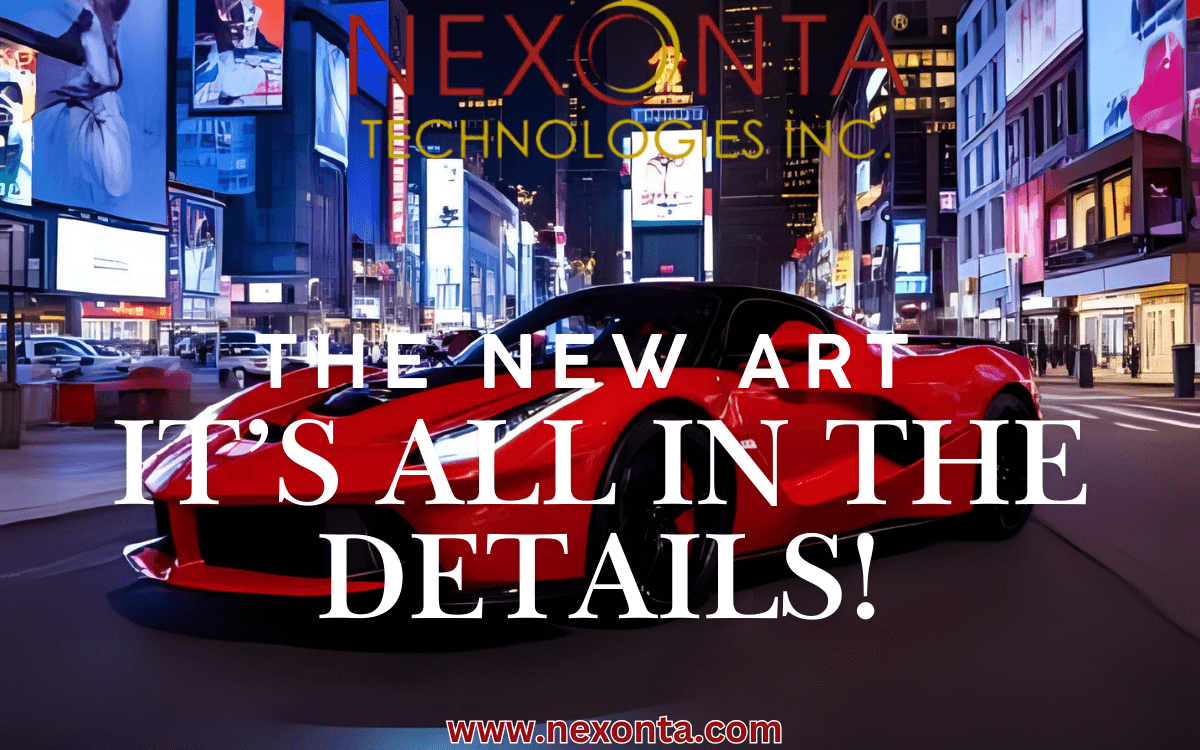
  • It’s All in the Details: Why Hot Wheels Are More Than Just Toy Cars

    It’s All in the Details: Why Hot Wheels Are More Than Just Toy Cars

    Since 1968, Hot Wheels has been more than just a brand—it’s been a spark of joy for kids and adults alike. Generations have grown up with those tiny die-cast cars racing across living room floors, soaring over plastic tracks, and eventually being tucked into display cases like treasures.

    But here’s the thing most people don’t realize: what makes Hot Wheels so special isn’t just the nostalgia or the playtime memories. It’s the details.

    A Masterpiece in the Palm of Your Hand

    Every Hot Wheels car is a miniature work of art. The designers could easily stop at making them “look like cars,” but instead, they obsess over the tiniest features—grilles, headlights, logos, decals, wheel styles, even the texture of the paint.

    You can look at the same car on a different day and suddenly see something completely new. One day it’s the chrome outline on the tail lights that grabs your attention. The next, it’s a hidden stripe, a wheel detail, or the shimmer in the paint job you never noticed before. Each toy is its own masterpiece—offering up surprises every time you look at it.

    The Designers Behind the Magic

    Hot Wheels employs some of the most creative automotive designers in the world. Many of them are car lovers first and toy designers second. They’re not just shrinking down a vehicle; they’re reimagining it at 1:64 scale while keeping its personality intact.

    That’s why Hot Wheels can pull off everything from a Lamborghini that looks ready for a showroom floor to a flame-covered fantasy car that feels ripped out of a comic book. Both are detailed, both are playful, and both demand a second look.

    Why the Details Matter to Collectors

    For serious collectors, details are everything. A slight variation in paint color, a different wheel design, or even a small error in printing can turn a common release into a rare find worth hundreds—sometimes thousands—of dollars.

    But even if you’re not chasing value, the joy is in the discovery. Details give your collection depth. They remind you that this isn’t just about toy cars. It’s about craftsmanship, creativity, and the art of noticing things most people would overlook.

    The Joy of Looking Closer

    Hot Wheels has always been about more than racing across tracks. They invite you to slow down and really see. To notice. To appreciate.

    Because when you look closer, you realize that every car—whether it’s a $1 find from the grocery store or a rare collector’s edition—isn’t just a toy. It’s a story, told through tiny details that reward those who take the time to look.

    So the next time you pick up a Hot Wheels, pause for a second. Turn it over in your hand. Let your eyes wander. I guarantee you’ll spot something you hadn’t noticed before—and that’s where the magic lives.

  • Every Hot Wheels Has a Story — And That’s Where the Real Value Lives

    Every Hot Wheels Has a Story — And That’s Where the Real Value Lives

    Some people see a Hot Wheels car and think it’s just a tiny toy. But if you’re a collector, you know better. You know every one of those little die-cast beauties has a story. A history. A reason it exists. And often, that story is just as valuable as the object itself.

    Think about it. A Jean-Michel Basquiat painting just sold at auction for USD $98 million. That’s not just because of the paint on the canvas. It’s because of the story — the artist’s journey, the cultural moment it captured, the emotional punch it carries. That backstory transforms it from “art” into “history you can own.”

    Hot Wheels are no different. Sure, they’re mass-produced. Sure, you can pick some up for a couple of bucks at the store. But then there are the rare editions, the prototypes, the quirky misprints, and the models tied to a specific pop culture moment. Their value isn’t just in rarity — it’s in the narrative they carry.

    Maybe it’s a ’67 Camaro that was only produced for a few months before being discontinued. Or a model from your childhood that takes you right back to Saturday mornings spent racing them across the living room floor. Those stories are what make a Hot Wheels worth keeping, trading, or even paying big money for decades later.

    Collecting is part treasure hunt, part time travel. Every piece you add to your collection becomes a chapter in your own story. And over time, your collection becomes something more — a personal museum of your interests, memories, and the things that shaped you.

    The beauty of collecting is that it makes you slow down and notice. You start asking, “Where did this come from? Why was it made? What makes it unique?” You start seeing the world through a storyteller’s eyes. And once you realize that every Hot Wheels, every coin, every comic, every painting has a story… you start to realize *you* do too.

    So the next time you pick up a Hot Wheels, don’t just look at the color or the design. Ask yourself: What’s the story here? Because in the world of collecting, the story isn’t just a bonus — it’s the real treasure.

  • AI as Your Teammate, Not Your Threat

    AI as Your Teammate, Not Your Threat

    This week on the podcast, we tackled a topic that’s been on a lot of people’s minds lately: AI. And not in a “robots are coming for our jobs” way, but in a “how do we make this work for us?” kind of way.

    Here’s the truth—AI is here to stay. It’s not a passing fad like fidget spinners or low-rise jeans (thankfully). It’s becoming part of how business is done, and the companies that figure out how to work with it are the ones that will still be around five years from now.

    The shift isn’t about replacing humans. It’s about freeing people up to do the high-value, creative, strategic stuff that only humans can do. AI can crunch numbers in seconds, summarize mountains of data, and handle repetitive tasks without getting tired or cranky. But it can’t bring your unique experience, empathy, or creativity to the table. That’s still all you.

    The challenge—and opportunity—right now is learning where AI can slot into your workflow. Maybe it’s speeding up customer support. Maybe it’s giving your marketing team a head start on content ideas. Maybe it’s analyzing market trends while you focus on relationship building. The point is to stop seeing it as a rival and start seeing it as the ultimate “get things done” teammate.

    If you wait until you “have time” to look into AI, you’re already behind. The time is now to experiment, test, and figure out where it fits in your business. Think of it like adding a Swiss Army knife to your toolkit—you don’t have to use every blade at once, but having it there could save you in a pinch.

    The companies that will win in the AI era are the ones that learn fast, stay curious, and aren’t afraid to adapt. AI isn’t the enemy. The real threat is refusing to evolve while everyone else moves ahead.

☎ ✉
f 𝕏