Category: Blog

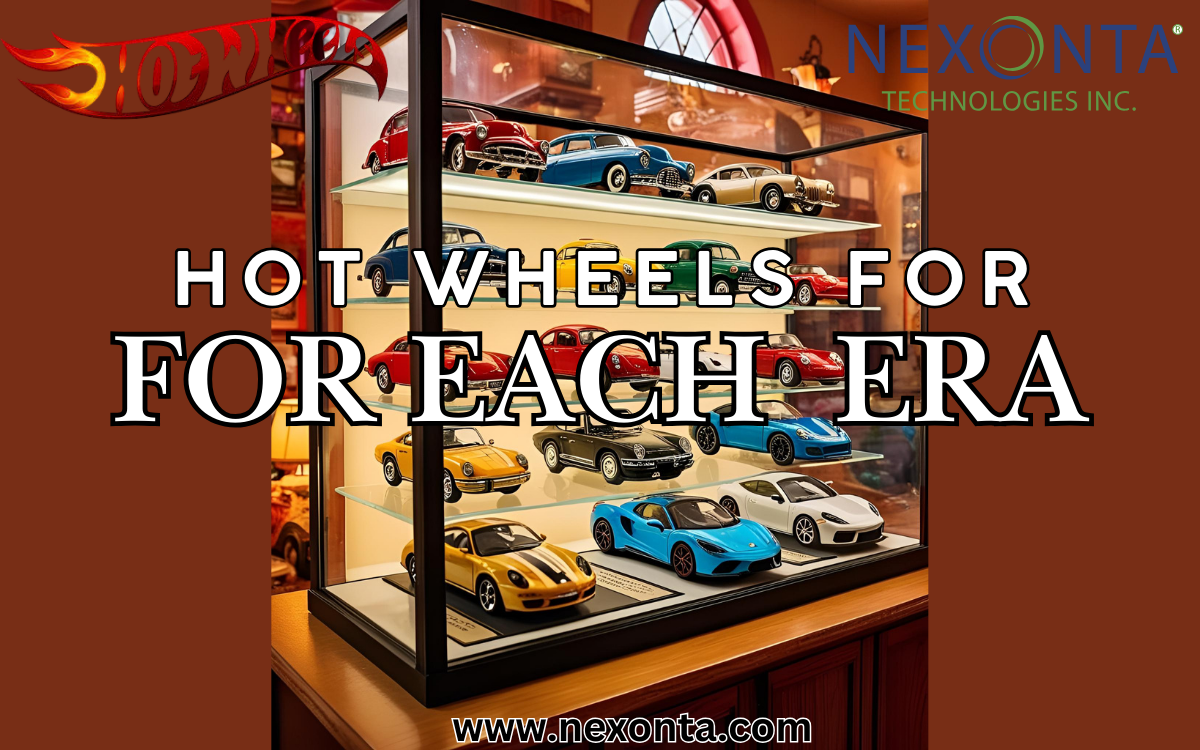
  • Every Era Has Its Automobiles: Tracking Society’s History Through Your Hot Wheels Collection

    Every Era Has Its Automobiles: Tracking Society’s History Through Your Hot Wheels Collection

    When you hold a Hot Wheels car in your hand, you’re not just holding a toy—you’re holding a piece of history. Every tiny die-cast model tells a story, reflecting the era it was born in. From the muscle cars of the ‘60s to today’s electric revolution, your Hot Wheels collection is more than a hobby; it’s a time capsule of society’s ever-evolving relationship with automobiles.


    The Evolution of Automobiles in Miniature Form

    For over five decades, Hot Wheels has captured the essence of automotive innovation. Whether you’re a seasoned collector or a casual enthusiast, your collection likely mirrors the key shifts in car design, technology, and cultural trends. Let’s take a ride through history and explore how Hot Wheels tracks society’s love affair with cars.

    The 1960s: The Golden Age of Muscle Cars

    Hot Wheels launched in 1968, right in the heart of the muscle car era. American roads were dominated by powerful, aggressive cars like the Dodge Charger, Ford Mustang, and Chevrolet Camaro. These cars symbolized freedom, rebellion, and raw horsepower—values that defined the decade.

    Hot Wheels wasted no time immortalizing these beasts, introducing their “Original Sweet 16” lineup with sleek, hot-rod designs, mag wheels, and bold paint jobs. Owning these early Hot Wheels models today is like owning a piece of classic Americana.

    The 1970s: Gas Crisis and Exotic Influence

    As the muscle car era faded due to the oil crisis, fuel efficiency became a priority. Japanese automakers, like Honda and Toyota, started making waves, and European exotics like Ferrari and Lamborghini captured the imagination of enthusiasts.

    Hot Wheels expanded its lineup with more diverse models, including European sports cars and compact vehicles, reflecting this global shift. If your collection features a Datsun 240Z or a Porsche 911 Turbo, you’ve got miniature representations of this transformative time in the auto industry.

    The 1980s: Turbocharged and High-Tech

    The ‘80s brought turbochargers, boxy designs, and futuristic styling. This was the decade of the DeLorean DMC-12 (thanks to Back to the Future), the Ferrari Testarossa, and the Buick Grand National. Cars were becoming computerized, and Hot Wheels reflected that with models featuring high-tech aesthetics.

    Collectors from this era might also remember the rise of  blackwall wheels, replacing the original redlines, and cars with bold neon colors that screamed ‘80s excess.

    The 1990s: JDM and Street Racing Take Over

    The ‘90s ushered in a new automotive culture—Japanese Domestic Market (JDM) cars and street racing. Thanks to movies like The Fast and the Furious and the popularity of import tuning, cars like the Toyota Supra, Nissan Skyline GT-R, and Honda NSX became legends.

    Hot Wheels embraced this shift by introducing race-ready models, tuner cars, and even drift-inspired designs. If you own a collection from this time, you probably have some of the coolest street racers in miniature form.

    The 2000s & 2010s: Hypercars, Hybrids, and Electric Dreams

    As we entered the 21st century, the automotive world split into two extremes—insanely fast hypercars like the Bugatti Veyron and McLaren P1 and eco-friendly hybrids like the Toyota Prius and Tesla Model S.

    Hot Wheels responded by releasing high-speed exotics and eco-conscious models, reflecting the changing priorities of the car world. If your collection includes Tesla Roadsters, Koenigseggs, or hybrid hypercars, you’ve got a front-row seat to the evolution of modern engineering.

    Today and Beyond: The Age of Electric and Autonomous Vehicles

    Now, we’re seeing an even bigger shift—self-driving cars, full-electric lineups, and sustainability-focused designs. Hot Wheels continues to adapt, releasing models of the Tesla Cybertruck, Rivian R1T, and Lucid Air.

    What does this mean for collectors? Your Hot Wheels cars aren’t just fun collectibles; they’re a glimpse into what the future of transportation might look like.

    Why Your Collection Matters

    Your Hot Wheels collection is more than a display of tiny cars—it’s a rolling history book that tells the story of innovation, culture, and technology. Every model represents a moment in time, a societal shift, or a groundbreaking automotive milestone.

    Whether you’re drawn to vintage muscle, sleek supercars, or cutting-edge electric vehicles, each car in your collection holds a unique place in history. So, the next time you add a new Hot Wheels car to your shelf, remember—you’re not just collecting toys, you’re preserving a legacy.

    🚗🔥 What’s your favorite era of Hot Wheels? Let’s talk in the comments!
  • With So Much Change Taking Place in the World Right Now, It Is Important That We Reinvent Ourselves to Become What Success Looks Like Today

    With So Much Change Taking Place in the World Right Now, It Is Important That We Reinvent Ourselves to Become What Success Looks Like Today

    The world around us is evolving at a breathtaking pace. Technological advancements, societal shifts, and economic transformations are reshaping the landscape of life and work. In such a dynamic environment, staying stagnant is not an option. To thrive, we must continually reinvent ourselves, adapt to new realities, and redefine what success looks like.

    Why Reinvention Is Essential

    Gone are the days when a single skill set or career path could sustain us throughout our lives. Today, success demands agility, creativity, and a growth mindset. Reinventing ourselves allows us to stay relevant, seize new opportunities, and maintain a sense of purpose in a rapidly changing world. It’s about evolving to meet the challenges of today while preparing for the uncertainties of tomorrow.

    Embracing a Growth Mindset

    The foundation of reinvention is a growth mindset—the belief that we can learn, grow, and adapt at any stage of life. This mindset encourages us to view challenges as opportunities and failures as lessons. With a growth mindset, reinvention becomes not just possible but exhilarating.

    Steps to Reinvent Yourself

    1. Self-Assessment:

    Start by evaluating your strengths, passions, and areas for improvement. What skills do you currently have, and which ones need updating? What excites you, and how can you align that with market demands?

    2. Stay Curious:

    Lifelong learning is essential for reinvention. Stay curious and seek out new knowledge through courses, books, and experiences. The more you learn, the more adaptable you become.

    3. Embrace Technology:

    Technology is at the forefront of change. Familiarize yourself with digital tools and trends relevant to your field. Whether it’s learning about AI, social media marketing, or data analytics, staying tech-savvy is crucial.

    4. Network and Collaborate:

    Surround yourself with forward-thinking individuals who inspire growth. Networking can open doors to new opportunities and provide valuable insights.

    5. Cultivate Resilience:

    Change often comes with setbacks. Building resilience will help you navigate challenges and bounce back stronger.

    6. Redefine Success:

    Success today isn’t just about financial achievements. It’s about fulfillment, balance, and making a positive impact. Define what success means to you and align your reinvention journey with those values.

    7. Take Action:

    Planning is essential, but action is what drives change. Start small if needed, but take consistent steps toward your reinvention goals.

    Reinvention Success Stories

    Many of the world’s most successful individuals have embraced reinvention. From tech pioneers who pivoted industries to entrepreneurs who redefined their businesses, these stories remind us that change can be a powerful catalyst for growth.

    The Rewards of Reinvention

    Reinventing yourself opens the door to new possibilities. It boosts confidence, enhances adaptability, and keeps life exciting and purposeful. Most importantly, it empowers you to shape your own definition of success rather than being confined by outdated norms.

    Final Thoughts

    In a world where change is the only constant, reinvention is not a luxury—it’s a necessity. By staying adaptable, embracing learning, and defining success on your terms, you can navigate the complexities of today’s world with confidence and purpose. The future belongs to those who are bold enough to reinvent themselves. So, take the leap and become what success looks like today.

  • Don’t Be a Closet Collector of Hot Wheels: Be Proud of Your Wonderful Hobby (And Avoid Sneaky Closet Dust Monsters)

    Don’t Be a Closet Collector of Hot Wheels: Be Proud of Your Wonderful Hobby (And Avoid Sneaky Closet Dust Monsters)

    Collecting Hot Wheels isn’t just a pastime; it’s a glorious pursuit that’s probably way cooler than whatever Jerry from accounting does with his weekends (bird-watching, really?). These small but mighty die-cast cars are more than just toys—they’re tiny speed demons that deserve their own Hollywood action franchise. So why are you keeping them hidden like some secret crime? It’s time to unleash your Hot Wheels glory—and maybe even clear out the mystery junk in your closet while you’re at it.

    Hot Wheels: Tiny Cars, Big Legacy

    Since 1968, Hot Wheels have been fueling imaginations and emptying parents’ wallets. From muscle cars to futuristic Batmobile wannabes, these meticulously designed cars are basically art on wheels—just much, much smaller (which means less parking hassle, am I right?). Your collection is like a mini automotive museum, minus the overpriced gift shop.

    Why Keep Your Cars in Hiding?

    Let’s face it—there’s a lot of weird stuff people hide in closets (looking at you, “spare” exercise equipment). But your Hot Wheels collection? That deserves to see the light of day. Forget societal expectations—anyone who judges you for collecting miniature cars probably has an unhealthy obsession with something way less cool, like artisanal pickles.

    The Benefits of Coming Out of the Hot Wheels Closet

    Inspiring Others: Imagine someone seeing your collection and thinking, “Maybe I should stop binge-watching reality TV and start doing something awesome too.”

    Building Community: You’ll meet fellow collectors who also speak fluent “Hot Wheels.” Trust me, it’s a thing.

    Showcasing Craftsmanship: These cars aren’t just toys; they’re mini engineering marvels. Displaying them lets you show off their sweet details—and your superior taste.

    Stress Relief: Nothing says zen like lining up your Hot Wheels in perfect formation while pretending traffic laws don’t exist.

    How to Flaunt Your Hot Wheels Like a Boss

    Create a Display: Put those bad boys in a display case or on wall-mounted shelves. Make Jerry from accounting jealous.

    Join Collector Communities: Post photos online and bask in the glory of internet likes.

    Attend Events: Hot Wheels conventions are a real thing, and they’re basically Disneyland for car nerds.

    Document Your Collection: Start a blog or YouTube channel. Who knows? You could be the next viral sensation—“Hot Wheels Hero” has a nice ring to it.

    Changing the Narrative (One Tiny Car at a Time)

    Collecting Hot Wheels isn’t just for kids; it’s for anyone with impeccable taste and a love for tiny, speedy works of art. By owning your collection, you’re proving that adults can still have fun without resorting to boring hobbies like curling.

    Final Thoughts (Vroom, Vroom!)

    Life’s too short to hide what brings you joy. So ditch the closet dust monsters and let your Hot Wheels shine. Who knows? You might just inspire someone to embrace their own weird, wonderful hobby. And remember—when life gives you lemons, trade them for a limited-edition Hot Wheels car. Much better deal.

  • Looks Like Crypto Is Here to Stay! 10 Most Important Factors When Choosing a Crypto Platform

    Looks Like Crypto Is Here to Stay! 10 Most Important Factors When Choosing a Crypto Platform

    Cryptocurrency isn’t just a passing trend—it’s transforming how we think about money, investments, and even the global economy. But diving into the crypto world requires more than excitement—it demands careful choices, starting with the platform you trust. With countless platforms available, how do you pick the one that suits your needs? Here are the 10 most important factors to consider when choosing a crypto platform.

    1. Security First

    In the world of crypto, security is non-negotiable. A platform’s ability to protect your funds and personal information should be your top priority. Look for features like two-factor authentication (2FA), encryption, and cold storage for assets. Platforms like Coinbase and Binance are known for robust security measures, but always research a platform’s history for any breaches or vulnerabilities before committing.

    2. Reputation and Credibility

    A platform’s reputation speaks volumes. Check online reviews, user feedback, and whether the platform complies with regulations in your region. Trustworthy platforms are transparent about their operations and have a proven track record. Platforms like Kraken and Gemini have earned credibility in the crypto community through years of reliable service.

    3. Supported Cryptocurrencies

    Whether you’re interested in Bitcoin, Ethereum, or emerging altcoins, ensure the platform supports a wide range of cryptocurrencies. A diverse selection allows you to explore different investment opportunities and keeps you flexible as new coins gain popularity.

    4. User Experience and Interface

    Cryptocurrency can be intimidating for beginners, so a user-friendly interface is essential. Look for platforms with intuitive designs, clear navigation, and straightforward processes for buying, selling, and managing your assets. Platforms like eToro excel in providing an accessible experience for users of all levels.

    5. Fees and Costs

    Trading fees, withdrawal charges, and hidden costs can add up quickly. Make sure you understand a platform’s fee structure before signing up. Platforms like Robinhood may offer commission-free trading, while others might have tiered pricing depending on your trading volume. Compare the costs to avoid surprises.

    6. Liquidity and Volume

    Liquidity refers to how quickly and easily you can buy or sell a cryptocurrency without significantly affecting its price. A platform with high liquidity and trading volume ensures smoother transactions and better price execution. Larger platforms like Binance often offer high liquidity across a wide range of cryptocurrencies.

    7. Mobile and Desktop Compatibility

    In today’s fast-paced world, flexibility is key. Choose a platform that offers both desktop and mobile apps for convenient access to your portfolio, no matter where you are. Look for apps that are well-designed and offer seamless synchronization across devices.

    8. Customer Support

    When issues arise—and they inevitably will—it’s crucial to have responsive customer support. Check if the platform offers live chat, email support, or a detailed FAQ section. Quick and effective support can save you significant time and stress when resolving problems.

    9. Educational Resources

    Navigating the crypto world can be complex, especially for beginners. Platforms that offer educational resources like tutorials, blogs, and webinars empower users to make informed decisions. Coinbase, for instance, provides a wealth of knowledge to help users grow their expertise.

    10. Additional Features

    Some platforms go beyond basic trading and offer unique features like staking, lending, or hardware wallet integration. These extras can add value to your experience and help you maximize your investments. Research what each platform offers to find one that aligns with your goals.

    Conclusion

    The cryptocurrency landscape is expanding rapidly, and choosing the right platform is a foundational step in your journey. By prioritizing security, reputation, and user-friendly features, you’ll be better equipped to navigate this exciting financial revolution.

    Crypto is here to stay, and so is your chance to make the most of it. Start by choosing the right platform—it’s the foundation of your success in this transformative world!

  • The 10 Contributing Factors Required for a Toy to Become Wildly Popular

    The 10 Contributing Factors Required for a Toy to Become Wildly Popular

    Ah, toys — the magical objects that have fueled childhood joy, sibling rivalries, and countless trips to the ER from stepping on a stray LEGO brick. But why do some toys become legends while others gather dust at the bottom of the toy bin? Let’s break it down with a mix of insights, nostalgia, and a few laughs.

    1. Simplicity: If You Need an Instruction Manual, You’re Doing It Wrong

    The best toys don’t require a five-hour tutorial on YouTube. Think about it: kids have the attention span of a goldfish hyped up on soda. Simple toys like Slinkies, Rubik’s Cubes, and LEGO bricks (minus the parental foot trauma) have thrived because they just make sense. No USB ports required.

    2. Nostalgia: Because Parents Are the Real Target Market

    Want a toy to sell out? Make a parent go, “I had one of these when I was a kid!” That’s why Barbie still reigns supreme and Hot Wheels never go out of style. Parents don’t just buy toys—they buy memories and the hope that their kid will stop asking for screen time for five minutes.

    3. A Name That Doesn’t Sound Like a Prescription Drug

    Would Slinky have gone viral if it were called “Bendy Coil Device”? Probably not. The name needs to be fun, memorable, and something kids can yell across the playground without sounding weird. Bonus points if it’s a single word that parents can mispronounce repeatedly (cough Pokémon).

    4. Playground Fame: The Ultimate Street Cred

    Forget social media influencers—kids on playgrounds have been trendsetters for centuries. If a toy becomes a must-have because every other kid has one, congratulations, you’ve hit the jackpot. Expect frenzied parents at holiday sales, ready to battle it out for that last Tamagotchi.

    5. The “WOW” Factor: Lights, Sounds, or Just Pure Chaos

    Whether it’s a Furby that talks back (and haunts your dreams) or a Nerf dart that travels farther than your social life during finals week, toys need to have that OMG-this-is-so-cool moment. If it makes adults go, Wait, how does this work? even better.

    6. Perfect Timing: Ride That Pop Culture Wave

    Release a toy at the wrong time, and it flops harder than a dad joke at a PTA meeting. But get the timing right, and boom—instant phenomenon. Case in point: Baby Yoda toys during “The Mandalorian” craze. Disney played that marketing game like a Jedi.

    7. Collectibility: Because One Is Never Enough

    Nothing fuels obsession like the words “Limited Edition.” Whether it’s Beanie Babies, Funko Pops, or even McDonald’s Happy Meal toys, if you make something collectible, people (both kids and adults) will lose their minds trying to get them all.

    8. Multigenerational Appeal: Toys That Bridge the Generation Gap

    Some toys are just ageless. Board games like Monopoly (where family feuds begin) or puzzles like Jenga (where furniture is collateral damage) appeal to everyone from toddlers to grandparents who refuse to lose.

    9. Affordable Enough That Parents Don’t Cry at Checkout

    Sure, luxury toys exist, but the real legends hit that sweet spot of affordability. Parents are more willing to say yes when a toy promises hours of entertainment without requiring a second mortgage. Play-Doh, which is literally colored dough, somehow still manages to win hearts (and carpets).

    10. Imagination Fuel: The Original Metaverse

    The ultimate toy doesn’t dictate how you play—it gives you options. Whether it’s a box of crayons, action figures, or just a cardboard box pretending to be a spaceship, toys that spark creativity are the ones that kids (and adults) remember forever.

    Final Thought: The Secret Sauce

    No one knows exactly which toy will go viral next—it’s a mix of timing, magic, and a bit of playground politics. But when you combine simplicity, nostalgia, and collectibility, you’re on your way to creating the next must-have sensation.

    So the next time you see kids begging for a wildly popular toy, just remember: behind every craze is a genius combination of creativity and chaos—and probably some poor parent stepping on a LEGO brick in the dark.

  • If Only I Started My Hot Wheels Collection at 10: The Impressive Collection I Could Have Had

    If Only I Started My Hot Wheels Collection at 10: The Impressive Collection I Could Have Had

    Looking back, one thing I wish I had done differently is start my Hot Wheels collection when I was 10 years old. Imagine the excitement of buying 10 cars every month, each one adding to a growing collection. The thrill of picking out my favorites, the joy of discovering new releases, and the satisfaction of watching my collection grow month after month. If I had started then, I’d have an impressive collection by now—a collection worth far more than the small investment I made back then.

    The Power of Starting Young

    Starting a collection at a young age has so many advantages. First off, you get to grow with the hobby. Over time, you learn more about your collection, and as your interests evolve, so does your collection. If I’d started collecting Hot Wheels at 10, I’d have years of experience under my belt by now, knowing all about rare models, special editions, and the history behind each car.

    There’s also the element of time. Imagine, just buying 10 Hot Wheels every month over the years—before you know it, that small commitment would have turned into a collection worth thousands. The beauty of starting early is that you also have time to research, discover valuable pieces, and build a collection that’s not only meaningful but valuable as well.

    Why Hot Wheels are the Perfect Collectible

    Hot Wheels are the perfect collectible for any age—affordable, accessible, and with endless variety. From the colorful, simple cars of the ’60s to the intricate, high-end models of today, Hot Wheels offer something for everyone. Whether you’re into vintage cars, limited edition models, or special themed sets, there’s always something new to add to your collection.

    What makes Hot Wheels even more attractive is that they’re small, easy to store, and relatively inexpensive, which means you can collect without breaking the bank. It’s the kind of hobby that grows with you as your interest in cars or nostalgia deepens, making it easy to build a collection that truly represents your passion.

    Imagine the Collection You’d Have Now

    If I had started collecting Hot Wheels at 10, my collection would be massive by now. I could have built up a truly diverse set, from rare cars to those special limited edition pieces. The cars that are worth hundreds (or even thousands) today could have been picked up for just a few bucks each back in the day.

    Imagine owning a 1969 Pink Rear-Loader Beach Bomb, a car worth over $100,000 today. Or having a collection of rare cars like the 1970 “Red Baron” or the “Corgi” Hot Wheels. These cars would have been the pride of my collection—and they could have all been part of my childhood hobby, starting with just 10 cars a month.

    It’s Never Too Late to Start

    But here’s the good news—it’s never too late to start. While I may have missed the chance to start collecting Hot Wheels when I was 10, it’s never too late to build a collection now. Whether you’re a seasoned collector or just beginning, there’s always an opportunity to get started. It may not be the same as starting young, but the excitement of finding new models and watching your collection grow is just as fulfilling.

    Starting your own collection today is easier than ever. Choose a focus—maybe rare cars, limited editions, or themed models—and start adding to your collection regularly. Even if you only buy a few cars a month, you’ll see your collection grow and evolve over time. Plus, you’ll have the added advantage of knowing the valuable models to look out for and the history behind the cars.

    Conclusion

    While I might wish I had started my Hot Wheels collection at 10, the truth is that it’s never too late to make a start. If I had started young, I’d have an impressive collection today—but I’m just as excited about the possibility of building one now. Who knows, in 10 years, I might be looking back at my own massive collection and thinking, “I’m so glad I started.” So, don’t wait—start building your collection today and watch it grow into something truly amazing!

  • Everything Old Is New Again: How Traditional Values Are Thriving in the Age of AI

    Everything Old Is New Again: How Traditional Values Are Thriving in the Age of AI

    As we march deeper into the era of artificial intelligence and cutting-edge technology, something intriguing is happening. People are turning back to traditional values—principles that have stood the test of time. In a world of constant innovation, these timeless ideals provide comfort, stability, and a sense of identity. But why are these values making a comeback, and what does it mean for the future?

    The Paradox of Progress

    AI promises efficiency, automation, and enhanced decision-making. Yet, for all its capabilities, it lacks one crucial element: humanity. As technology grows increasingly pervasive, many are realizing that what we need most is not more tech but a renewed connection to human-centric principles like integrity, kindness, and community.

    The Nostalgia Factor

    Nostalgia plays a significant role in this resurgence. From vinyl records to handwritten letters, people are rekindling their love for analog experiences in a digital world. These traditional practices remind us of simpler times, offering a grounding experience amidst the whirlwind of rapid advancements.

    The Rise of Mindful Living

    Traditional values often align with mindfulness—a growing trend in a society overwhelmed by information overload. Practices like family dinners, handwritten thank-you notes, and face-to-face conversations are not just quaint relics; they’re vital tools for maintaining emotional well-being.

    What Businesses Can Learn

    For brands and marketers, this return to tradition is an opportunity. Companies that emphasize authenticity, craftsmanship, and ethical practices can tap into this growing movement. Whether it’s promoting locally sourced products or showcasing the human stories behind their operations, embracing traditional values is not just good ethics—it’s good business.

    The Balance of Old and New

    The key to thriving in this era lies in balance. AI and technology are indispensable, but they must work alongside our human values. For instance, AI can streamline workflows and analyze data, but the creativity, empathy, and intuition required for impactful storytelling will always come from humans.

    Looking Ahead

    As the new era unfolds, one thing is clear: the past holds lessons that are more relevant than ever. By embracing traditional values, we don’t just preserve our heritage—we create a stronger, more balanced foundation for the future.

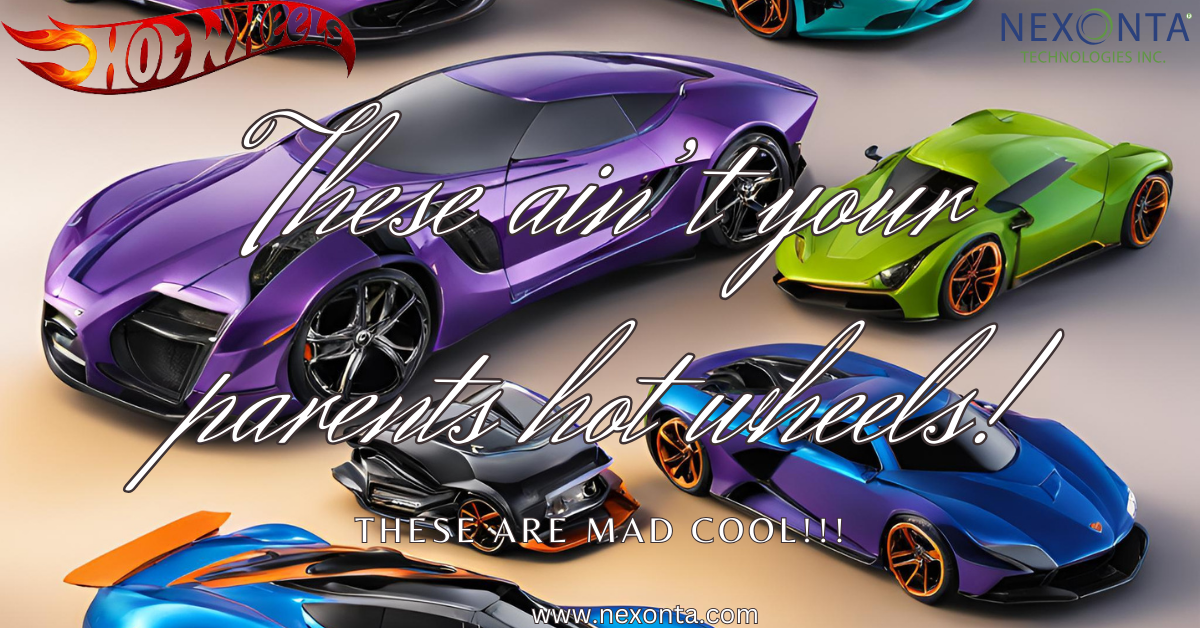
  • These Aren’t Your Parents’ Hot Wheels—They’re Wicked Cool!

    These Aren’t Your Parents’ Hot Wheels—They’re Wicked Cool!

    Hot Wheels have come a long way since the days of simple die-cast cars zooming along bright orange tracks. Today’s Hot Wheels aren’t just toys; they’re miniature masterpieces, combining art, engineering, and innovation. Whether you’re a collector, a car enthusiast, or someone chasing the thrill of speed, these cars are redefining what it means to be cool.

    The Evolution of Cool

    Back in the day, Hot Wheels symbolized childhood nostalgia and carefree afternoons. Now? They’ve evolved into something extraordinary. From hyper-realistic replicas of cutting-edge cars to outlandish designs straight out of a sci-fi movie, Hot Wheels are a whole new world of excitement.

    These cars aren’t just for kids anymore—they’re conversation pieces, collectibles, and a gateway to a community that spans all ages.

    Cutting-Edge Collaborations

    Hot Wheels is leading the way with jaw-dropping collaborations. Partnerships with automotive giants like Tesla, Lamborghini, and Bugatti bring real-world luxury and performance into the palm of your hand.

    And the pop culture crossovers? Iconic. From Batmobiles to Mario Kart racers to the Ghostbusters’ Ecto-1, these cars aren’t just vehicles—they’re stories on wheels. Each limited-edition release makes your collection even cooler (and potentially more valuable).

    Built for Thrills

    Remember when tracks were simple loops and jumps? Today’s Hot Wheels tracks are gravity-defying, stunt-performing marvels. Add augmented reality (AR) and smartphone apps into the mix, and the fun goes digital.

    High-tech track sets let you customize courses, log speeds, and even race friends virtually. These aren’t the Hot Wheels of yesteryear—they’re a whole new adrenaline rush.

    A Collector’s Paradise

    Hot Wheels are no longer just about play; they’re also about prestige. Rare models from limited runs can fetch thousands of dollars at auctions, turning these cars into a collector’s dream.

    Whether it’s glow-in-the-dark designs, eco-friendly concepts, or fantasy-themed creations, Hot Wheels offers something for everyone. They’re as much about artistry as they are about speed.

    Wicked Cool for All Ages

    Hot Wheels have bridged the gap between generations. Whether you’re a 7-year-old lining up your first race or a 70-year-old reminiscing about your first loop-de-loop, these cars bring joy to everyone.

    They’re more than just a hobby—they’re a cultural phenomenon, an investment, and a way to connect with like-minded fans.

    Final Lap

    Hot Wheels today are a celebration of creativity, innovation, and pure fun. They’ve taken what was great about the past and infused it with a modern edge that’s irresistible. So, next time you see one on the shelf, don’t pass it by. Grab it, race it, or display it—because these aren’t your parents’ Hot Wheels. They’re wicked cool.

  • Stop Overthinking: How to Balance Research and Action in Business

    Stop Overthinking: How to Balance Research and Action in Business

    In the world of business, we often hear the phrase, “Knowledge is power.” And it’s true — research is vital when starting or growing a business. It helps you understand your market, identify customer needs, and stay ahead of competitors. But there’s a trap many entrepreneurs fall into: researching endlessly and never taking the plunge.

    If you’ve ever found yourself stuck in the “analysis paralysis” loop, this is your call to stop overthinking and start doing.

    Why Research Is Important

    Research is the backbone of any successful business strategy. It allows you to:
    1. Validate Your Market: Ensure there’s demand for your product or service.
    2. Gain Competitor Insights: Learn what’s working in your industry and where the gaps are.
    3. Understand Your Audience: Craft solutions that truly address customer needs.

    However, research isn’t the endgame. It’s a starting point. And at some point, it can stop being productive and start becoming a safety net — a way to avoid the discomfort of taking action.

    The Trap of Over-Researching

    Over-researching can:
    1. Drain Momentum: Spending too much time on research can cause your enthusiasm to wane.
    2. Delay Opportunities: Markets change rapidly; waiting too long could mean missing the boat.
    3. Feed Fear of Failure: Often, endless research is just a way to postpone the risk of acting.

    When to Stop Researching and Start Acting

    You’ll know it’s time to act when:
    1. You Have the Basics: You understand your audience, defined your unique selling point, and analyzed your competitors.
    2. The Market Demands Speed: Some industries reward the first mover over the perfectionist.
    3. Your Instinct Aligns With the Facts: If your gut says go and the data supports it, trust yourself.

    Stop Asking for Permission

    One of the most common roadblocks for entrepreneurs is the need for external validation. You wait for a mentor, investor, or even a close friend to give you the green light. But here’s the hard truth: no one can guarantee your success.

    The most successful entrepreneurs are the ones who take bold action, even when the outcome isn’t certain. They don’t wait for permission — they create their own opportunities.

    How to Move From Research to Action

    Here are some practical ways to overcome analysis paralysis and get started:
    1. Set a Deadline: Decide how much time you’ll spend on research and stick to it.
    2. Start Small: Launch a minimum viable product (MVP) or test your idea with a pilot project.
    3. Accept Imperfection: Progress matters more than perfection. Start messy, and refine along the way.
    4. Find an Accountability Partner: Surround yourself with people who encourage action.

    Conclusion

    Research is a powerful tool, but it’s not the destination. It’s the launchpad. At some point, you have to stop planning and start doing. The journey of building a business is filled with uncertainties, but the only way to succeed is to take that first step.

    So, stop waiting. Stop asking for permission. Trust your instincts, act boldly, and remember: in business, action beats inaction every single time.

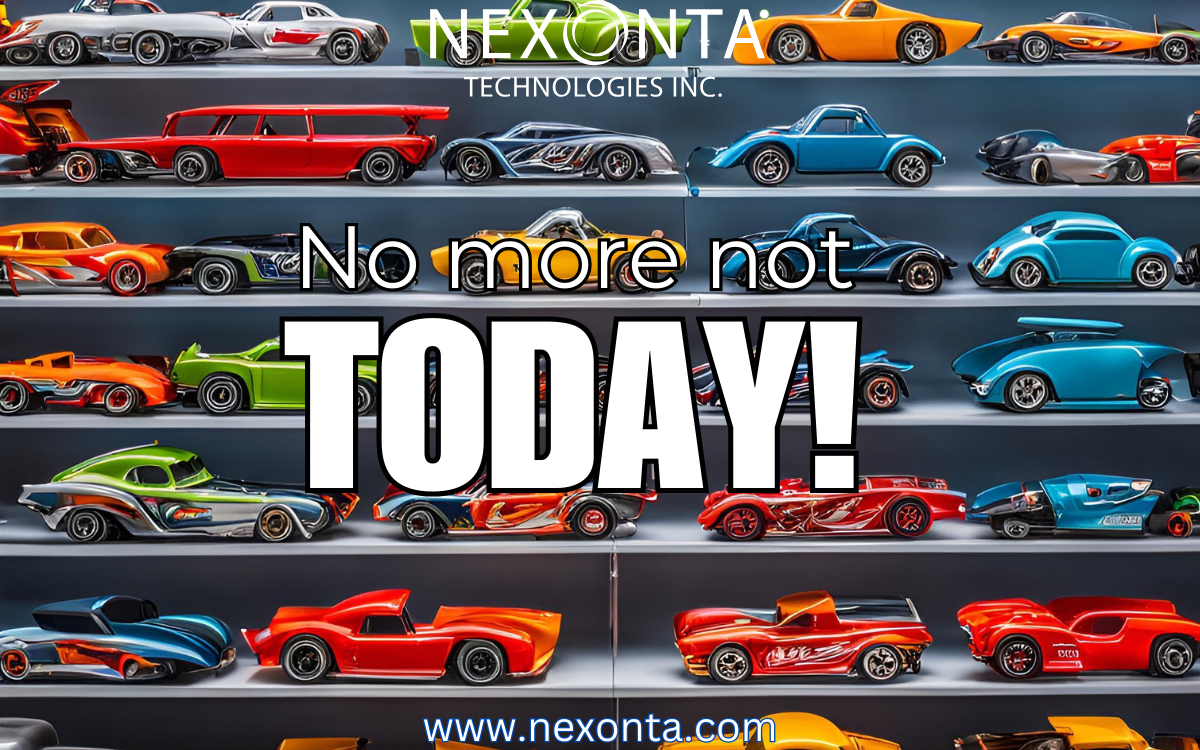
  • Do You Remember Begging for That Hot Wheels Car? Now’s Your Chance to Go Wild!

    Do You Remember Begging for That Hot Wheels Car? Now’s Your Chance to Go Wild!

    Ah, the nostalgia! Remember being a kid and wandering through the toy aisle with your parents? There it was: the colorful, shiny Hot Wheels display. The cars seemed to glimmer under the fluorescent lights, calling out to us like tiny four-wheeled dreams. And just as we reached for that perfect car—a bold red racer or a sleek blue convertible—we’d hear those dreaded words: “Not today.”

    Our little hearts sank. But let’s be honest—did that stop us from trying again the next time? Absolutely not!

    Fast forward to today, and guess what? You’re the adult now, and the world is your toy aisle. No more “not today” excuses. This is your chance to unleash your inner child and go absolutely crazy with your very own Hot Wheels collection.

    Why Hot Wheels Are Still So Cool

    Hot Wheels isn’t just about cars; it’s about storytelling, imagination, and those moments of pure joy we experienced as kids. The brand has only gotten cooler over the years. With limited-edition designs, pop culture collaborations (did someone say Batmobile?), and even futuristic concepts, the options are endless.

    Plus, collecting Hot Wheels is no longer just for kids. Grown-ups like us are leading the charge, turning these miniature cars into art, investments, and serious bragging rights.

    Your Inner Child Deserves a Little Fun

    Let’s face it: adulting is hard. Bills, responsibilities, and meetings can weigh us down. Sometimes, we need to remind ourselves of simpler times. Picking up a Hot Wheels car can be like traveling back in time. It’s not just about owning a toy—it’s about reclaiming that feeling of wonder and joy we had when life was all about play.

    A Hobby That Won’t Break the Bank

    Unlike real car collections (which require a garage, insurance, and a trust fund), Hot Wheels are incredibly affordable. For the price of your daily coffee, you could snag a car that brings you endless smiles. And if you’re feeling fancy, you can dive into the collector’s market and find rare gems like the “Beach Bomb” or the “Pink Rear-Loading Volkswagen Bus.”

    Start Your Hot Wheels Frenzy Today

    So, here’s the deal: next time you’re out shopping—or scrolling online—don’t hold back. Channel your younger self and grab that Hot Wheels car (or five). Display them proudly on your desk, shelves, or wherever you want. Trust us, your 8-year-old self will thank you.

    This is your moment. Go ahead, relive the thrill. You’ve earned it.

☎ ✉
f 𝕏