Category: Blog

  • Hot Wheels 2026 Releases: Why the Final Fall Drop Could Be Epic

    Hot Wheels 2026 Releases: Why the Final Fall Drop Could Be Epic

    September is quickly approaching, the fall weather has already started rolling into Toronto, and Hot Wheels 2026 releases are about to enter one of the most exciting times of the year for collectors. Kids are getting ready to head back to school. Adults are getting ready to head back to work. And for Hot Wheels collectors, there is something else to look forward to — the new fall releases are about to start hitting the pegs.

    If you collect Hot Wheels like DeeMoney and I do, you already know that 2026 has been a pretty exciting year.

    And we aren’t finished yet.

    In fact, if the final quarter of the year is anything like the first three quarters, collectors could be in for something very special.

    Fall Is Always an Exciting Time for Hot Wheels Collectors

    There is something about September that makes collecting feel a little different.

    The summer is winding down. People are getting back into their regular routines. Stores start changing their displays. New shipments begin showing up.

    And then comes that familiar feeling.

    You walk into a store, head toward the toy aisle and take a quick look at the Hot Wheels pegs.

    Maybe there is nothing new.

    Maybe there are a few cars you have already seen.

    Or maybe…

    You hit the jackpot.

    That is part of what makes collecting Hot Wheels so much fun.

    You never really know what you are going to find.

    2026 Has Already Delivered Some Big Moments

    So far, 2026 has given collectors plenty to talk about.

    One of the biggest pieces of news has been the return of Ferrari to Hot Wheels.

    For collectors who have been waiting to see Ferrari models return to the brand, this has been a big deal. Ferrari has such a strong following among both die-cast collectors and car enthusiasts.

    Putting Ferrari back into the Hot Wheels lineup gives collectors another reason to keep checking those pegs.

    And then there was the Porsche Treasure Hunt.

    The Porsche Treasure Hunt Is One to Watch

    The beautiful Porsche Treasure Hunt featuring adjustable wheels has already caught the attention of collectors.

    And honestly, it is easy to see why.

    Treasure Hunts are always exciting. Add an interesting Porsche casting and a unique feature like adjustable wheels, and you have a combination that is likely to get plenty of attention.

    This is exactly the kind of release that gets collectors talking.

    It is also the kind of car that could become even more interesting to collectors as time goes on.

    What Makes the Final Quarter So Exciting?

    This is where things get really interesting.

    We have already seen some great releases during the first three quarters of 2026.

    So the big question is:

    What is Hot Wheels saving for the final stretch of the year?

    September, October, November and December can be some of the most exciting months for collectors.

    New mainline releases will continue to arrive. Premium releases will grab attention. Treasure Hunts will keep collectors searching.

    And, of course, there is always the possibility of finding that one casting you have been waiting for.

    That is the fun of Hot Wheels collecting.

    You can have a list of cars you want, but you never know which one is going to make you stop in your tracks.

    The Hunt Is Half the Fun

    For DeeMoney and me, one of the best parts of collecting is still the hunt.

    It is not just about owning the cars.

    It is about finding them.

    There is a completely different feeling when you discover a car sitting on the peg that you have been looking for.

    Maybe you have seen photos online.

    Maybe other collectors have already found it.

    Maybe you have been checking stores for weeks.

    Then suddenly, there it is.

    That moment never gets old.

    And that is one of the reasons Hot Wheels has such a dedicated collector community.

    Everyone has their own list.

    Everyone has their own favourite casting.

    And everyone has a story about the car they never expected to find.

    What Should Collectors Be Watching For This Fall?

    As we head into the final quarter, there are a few things worth keeping an eye on.

    New Mainline Releases

    The regular Hot Wheels mainline continues to be the backbone of collecting.

    New models and recolours mean there is always something different showing up.

    Treasure Hunts

    Treasure Hunts are always worth checking for.

    You may walk past a peg without realizing that a special car is sitting right in front of you.

    That is why checking carefully matters.

    Premium Releases

    Premium Hot Wheels releases can bring another level of detail and collectability.

    For collectors who enjoy realistic cars, racing models or premium details, these releases can be especially exciting.

    Ferrari

    After the return of Ferrari, collectors will certainly be watching to see what other Ferrari models appear and how popular they become.

    This is one of the biggest stories in Hot Wheels collecting this year.

    Unique Features

    The Porsche Treasure Hunt with adjustable wheels is a great example of why unique features can make a release stand out.

    Collectors notice the details.

    Sometimes it is the casting.

    Sometimes it is the wheels.

    Sometimes it is the paint.

    And sometimes it is a feature that makes the car different from everything else on the peg.

    Will the Final Hot Wheels Releases of 2026 Be Epic?

    We will have to wait and see.

    But if the first three quarters are any indication, I think collectors have plenty of reasons to be excited.

    2026 has already given us the return of Ferrari, an impressive Porsche Treasure Hunt and plenty of other releases to chase.

    Now we are heading into fall.

    The stores are going to get busier.

    The holiday season will start creeping closer.

    And somewhere out there, sitting on a Hot Wheels peg, could be the next car that makes a collector’s day.

    That is what keeps us coming back.

    Our Hot Wheels Collection Keeps Growing

    When DeeMoney and I started collecting Hot Wheels, we probably did not imagine just how much the collection would grow.

    But that is what happens.

    One car becomes five.

    Five become fifty.

    And before you know it, you are looking for storage space because the collection has taken on a life of its own.

    For us, collecting is about more than just the cars.

    It is the excitement of the hunt.

    It is discovering new castings.

    It is following the hobby.

    And it is sharing that excitement with other collectors.

    Bring on the Fall Hot Wheels Releases

    So here we are.

    September is almost here.

    The leaves will soon start changing. The temperatures will start dropping. Kids will be back in school.

    And collectors will be heading back to the stores.

    The final quarter of 2026 is officially on deck.

    If Hot Wheels keeps the momentum going, we could be looking at one of the most exciting stretches of the year.

    So keep checking those pegs.

    Keep your collector list handy.

    And don’t forget to look carefully.

    Because you never know when the next great Hot Wheels find is going to be sitting right in front of you.

    Ready to Start Hunting?

    Whether you are a longtime collector or just getting started, there is always something new to discover in the world of Hot Wheels.

    Follow along with DeeMoney and us as we continue the hunt, share our latest finds and see what the final Hot Wheels releases of 2026 have in store.

    The hunt isn’t over yet. In fact, it’s just getting started.

    Final Thoughts

    2026 has already been a memorable year for Hot Wheels collectors.

    The return of Ferrari has brought a lot of excitement. The Porsche Treasure Hunt with adjustable wheels has given collectors another standout release to chase.

    Now we get to see what the final quarter brings.

    And if the first three quarters are any indication…

    Fall 2026 could be epic.

    So grab your shopping bags, check those pegs and get ready.

    There are still plenty of Hot Wheels out there waiting to be found.
  • AI Can Build the Marketing Plan. Humans Still Have to Drive

    AI Can Build the Marketing Plan. Humans Still Have to Drive

    AI marketing agencies are entering a new chapter. Tools like ChatGPT and Claude have changed the way businesses think about marketing. Today, an organization can describe its business, ideal customer and goals to an AI tool and, within seconds, receive a surprisingly detailed marketing plan.

    That is a big change.

    For years, businesses often relied on marketing agencies to tell them what they needed to do. They would sit down with an agency, explain their business and wait for a strategy to be developed.

    Now, companies can get a first look at that strategy themselves.

    So, does that mean marketing agencies are becoming obsolete?

    Not at all.

    It means their role is changing.

    And in many ways, AI may be taking a backseat while humans get back in the driver’s seat.

    Marketing Has Changed. Again.

    Marketing has always evolved with technology.

    Print advertising changed the game. Then came radio and television. The internet transformed everything again. Search engines created SEO. Social media changed how brands communicate with customers.

    Then AI arrived.

    Large language models like ChatGPT and Claude have taken things another step forward.

    A business owner can now ask:

    “How should I market my business to women between 45 and 60 who are interested in improving their health?”

    Within seconds, AI can suggest target audiences, content ideas, advertising channels, messaging, budgets, timelines and even campaign concepts.

    That is incredibly powerful.

    It also changes the conversation between businesses and marketing agencies.

    The End of One-Size-Fits-All Marketing

    One of the biggest changes AI has brought to marketing is access to information.

    Businesses no longer have to accept a generic marketing package simply because that is what an agency sells.

    The old approach might have looked something like this:

    Website + social media + Google Ads + SEO + email marketing = marketing plan.

    But what if that isn’t what the business actually needs?

    AI makes it easier to ask better questions.

    What is the company’s ideal customer?

    Where does that customer spend time?

    What problem is the company solving?

    How competitive is the market?

    How much can the business realistically spend?

    What should happen first?

    How long might it take to see results?

    These questions can now be explored before a business ever signs a marketing contract.

    That is a good thing.

    It forces everyone to become more thoughtful about marketing.

    AI Can Create the Plan. But Can It Execute It?

    This is where things get interesting.

    AI can produce a marketing strategy in seconds.

    But a strategy sitting inside a document doesn’t generate leads.

    Someone still has to build the website.

    Someone has to optimize the pages.

    Someone has to create the content.

    Someone has to set up campaigns.

    Someone has to analyze what is working.

    Someone has to make changes when something isn’t working.

    And most importantly, someone has to understand the business behind the numbers.

    This is where humans still matter.

    AI can tell you that your company should target a particular audience.

    A human has to understand whether that audience actually makes sense for the business.

    AI can recommend a content strategy.

    A human has to know whether the content sounds like the company or like something generated by a machine.

    AI can suggest keywords.

    A human still needs to understand the customer’s intent behind those searches.

    The difference is important.

    AI can help create the roadmap. Humans still have to drive the car.

    The Marketing Agency Is Becoming the Execution Partner

    This may be one of the biggest shifts we see over the next few years.

    Marketing agencies may spend less time selling businesses on what marketing they need and more time executing the marketing strategy those businesses have already researched.

    That doesn’t make agencies less valuable.

    It changes where their value comes from.

    Instead of saying:

    “Trust us. We know what you need.”

    The conversation becomes:

    “You know where you want to go. Let’s build the right system to get you there.”

    That is a very different relationship.

    And frankly, it could be a better one.

    Businesses become more informed.

    Agencies become more accountable.

    And marketing becomes more focused on execution and measurable results.

    AI Makes Marketing Budgets Easier to Understand

    Another major advantage is budgeting.

    Marketing has traditionally been difficult for businesses to forecast.

    A company might ask:

    “How much should we spend on marketing?”

    The answer has always depended on the business, the market, the competition, the customer and the goals.

    AI can’t predict the future.

    But it can help businesses build reasonable scenarios.

    A company can explore different approaches and ask questions such as:

    * What could a $2,000 monthly marketing budget support?
    * What would a $5,000 budget allow us to do?
    * Which activities should come first?
    * What could we realistically accomplish in six months?
    * Which channels should we test before investing more heavily?

    That information can make marketing conversations much more productive.

    Instead of starting with a blank sheet of paper, businesses can start with a working hypothesis.

    Then the humans take over.

    This Is Where ElevexSEO Fits In

    At ElevexSEO, we see this shift as an opportunity.

    We don’t believe businesses should have to choose between AI and human marketing expertise.

    They should use both.

    AI can help businesses research opportunities, organize ideas, identify potential strategies and make better decisions.

    Then experienced marketing professionals can take those ideas and turn them into an actual workflow.

    That could include SEO, content creation, website optimization, keyword targeting, technical improvements and ongoing performance analysis.

    The goal isn’t to replace the human.

    The goal is to give the human better tools.

    And that is where AI becomes really useful.

    The Future Isn’t AI vs. Humans

    There has been a lot of discussion about whether AI will replace marketing professionals.

    We think that is the wrong question.

    The better question is:

    How can humans use AI to become better marketers?

    The businesses that figure this out will have an advantage.

    They won’t blindly hand their marketing over to AI.

    They also won’t ignore it.

    They will use AI to research faster, think through possibilities and build better strategies.

    Then they will rely on people to bring those strategies to life.

    That is the balance.

    AI provides speed.

    Humans provide judgment.

    AI provides ideas.

    Humans provide context.

    AI can process enormous amounts of information.

    Humans understand relationships, emotions, nuance and the real-world challenges of running a business.

    Put those things together and marketing becomes much more powerful.

    Marketing Agencies Aren’t Going Away. Their Role Is Evolving.

    The marketing agency of the future may look very different from the agency of the past.

    Businesses will be more informed.

    AI will handle more of the research and planning.

    Marketing teams will have better data.

    And agencies will increasingly become execution partners, technology partners and optimization partners.

    That isn’t a step backward.

    It may actually be a step forward.

    The days of paying for a generic marketing package and hoping it works are slowly disappearing.

    Businesses want to know what they are doing, why they are doing it and what they can realistically expect.

    AI is helping make that possible.

    But someone still needs to turn the plan into action.

    That’s where humans come back into the driver’s seat.

    Ready to Put AI to Work for Your Marketing?

    You don’t have to figure out the future of marketing alone.

    At ElevexSEO, we combine AI-powered tools with human marketing expertise to help businesses turn ideas and strategies into real SEO and digital marketing workflows.

    If you’ve already used ChatGPT or another AI tool to explore your marketing options, that’s a great starting point.

    Now let’s turn those ideas into action.

    Want to see what your marketing strategy could look like?

    Talk to ElevexSEO today and let’s build a marketing plan that makes sense for your business, your budget and your ideal customer.

  • Hot Wheels 101: What Collecting Hot Wheels Taught Me About Business, Creativity and Value

    Hot Wheels 101: What Collecting Hot Wheels Taught Me About Business, Creativity and Value

    When DeeMoney and I started collecting Hot Wheels about five years ago, we had no idea where it would take us. Hot Wheels 101 started with a simple trip to the grocery store. We saw a bin of Hot Wheels cars being blown out for just 99 cents each. For nostalgic reasons, we picked up a few. Five years later, we are still collecting strong.

    And honestly, I never expected a bunch of little toy cars to teach me so much about business, creativity, branding, consistency, and even life.

    Our most recent purchase? Two sets of the Ferrari 80th Anniversary Hot Wheels packs.

    So yes, we are still at it.

    But somewhere along the way, collecting Hot Wheels became about much more than collecting cars.

    It Started With Nostalgia

    Like a lot of people, Hot Wheels brought back memories.

    There is something about holding one of those little cars in your hand that takes you back. Maybe it reminds you of being a kid. Maybe you remember playing with them yourself. Or maybe you simply remember seeing them around the house.

    For us, that nostalgia was enough to get us started.

    The 99-cent price tag certainly didn’t hurt either.

    What we didn’t realize at the time was that we were starting a hobby that would become a real education in how a great company operates.

    Five years later, we have collected thousands of cars.

    And along the way, I started paying attention to something that goes beyond the cars themselves.

    The Quality Never Stops Surprising Me

    One of the biggest things I have learned from collecting Hot Wheels is the importance of consistent quality.

    Think about that for a moment.

    These are tiny toy cars.

    Yet there is so much detail packed into each one.

    The design. The colours. The wheels. The packaging. The different themes. The special editions. The collaborations. The little details that make one car completely different from another.

    And they keep coming.

    That is what impresses me.

    Hot Wheels has created a product that can be relatively simple, yet still feel fresh and exciting.

    That is not easy to do.

    It takes creativity.

    It takes consistency.

    And it takes understanding what your customers enjoy.

    Creativity Is Everywhere

    If there is one thing Hot Wheels has taught me, it is that creativity doesn’t have to be complicated.

    Sometimes it is simply about taking something familiar and looking at it differently.

    A car can become a race car, a movie car, a futuristic car, a classic car, a fantasy design or a miniature version of a real vehicle.

    There are so many possibilities.

    That constant creativity is one of the reasons people keep looking.

    You never really know what you are going to find.

    And isn’t that exactly what we want to create in business?

    We want people to be curious.

    We want them to come back.

    We want them to wonder what we are going to do next.

    Consistency Builds Trust

    This is probably one of the biggest lessons I have taken from collecting Hot Wheels.

    Consistency matters.

    When you pick up a Hot Wheels car, you have certain expectations.

    You expect the quality to be there.

    You expect the packaging to look good.

    You expect the car to feel like a Hot Wheels car.

    That consistency creates trust.

    And trust is incredibly valuable in business.

    Your customers should know what they can expect from you.

    That doesn’t mean you should do the exact same thing forever.

    Quite the opposite.

    You should keep improving.

    You should keep creating.

    You should keep finding new ways to deliver value.

    But the quality and experience should remain consistent.

    That is something I want to carry into everything DeeMoney and I do.

    Every Little Car Has Value

    This is another lesson that really stuck with me.

    When you look at a Hot Wheels car sitting on a store shelf, it is easy to think, “It’s just a little toy car.”

    But that little car represents a lot.

    It represents design.

    It represents manufacturing.

    It represents branding.

    It represents marketing.

    It represents distribution.

    It represents customer experience.

    And ultimately, it represents value.

    That made me start thinking differently about our own business.

    Every product we create should have that same mindset behind it.

    Every service.

    Every piece of content.

    Every website.

    Every marketing campaign.

    Every interaction with a customer.

    It should have a purpose.

    It should have value.

    And it should make someone feel like they got something worthwhile.

    Hot Wheels Helped Me Level Up

    This is probably the part of collecting that surprised me the most.

    I genuinely love the feeling I get from finding a car I have been looking for.

    There is excitement in the hunt.

    There is satisfaction in finding something unexpected.

    And there is something really enjoyable about building a collection over time.

    That feeling has made me think about what we create for other people.

    How can we give them that same feeling?

    Not necessarily excitement over a toy car.

    But the feeling of finding something that is useful.

    Something they appreciate.

    Something they want to keep.

    Something that makes them think, “That was worth it.”

    That is a powerful idea.

    What Can Business Learn From Hot Wheels?

    For me, there are several big lessons.

    1. Don’t underestimate small things

    A Hot Wheels car is small.

    The idea behind it doesn’t have to be.

    Sometimes the smallest details create the biggest impression.

    In business, don’t overlook the little things. A better headline, a cleaner website, a faster response, better packaging or a more thoughtful customer experience can make a real difference.

    2. Keep creating

    Hot Wheels doesn’t seem to run out of ideas.

    There is always something new to discover.

    Businesses need that same energy.

    Keep experimenting.

    Keep learning.

    Keep improving.

    Your customers may love what you do today, but that doesn’t mean you stop looking for what comes next.

    3. Make quality part of your brand

    Quality shouldn’t be something you think about only when someone complains.

    It should be built into everything you do.

    If you want people to trust your brand, give them a reason to trust it.

    Again and again.

    4. Give people a reason to come back

    Collectors keep looking because they never know what they might find.

    That is smart marketing.

    Create reasons for your customers to come back.

    Maybe it is new content.

    A new product.

    A new service.

    A new idea.

    Or simply a better experience.

    Give people something to look forward to.

    5. Make people feel something

    This might be the biggest lesson of all.

    People don’t always remember the technical details.

    They remember how something made them feel.

    Hot Wheels gives us nostalgia, excitement, curiosity and the thrill of the hunt.

    That emotional connection is incredibly powerful.

    And every business should think about the emotion behind what it offers.

    Hot Wheels 101 Is Really a Crash Course in Business

    When we started collecting five years ago, I thought we were buying little toy cars.

    I didn’t realize we were also buying ourselves a crash course in business.

    Hot Wheels 101 has taught me about consistency.

    It has taught me about creativity.

    It has taught me about branding.

    It has taught me about quality.

    It has taught me about customer experience.

    Most importantly, it has reminded me that value can come in small packages.

    That is how I want people to look at everything DeeMoney and I create.

    I want every product, service, idea and piece of content to have tremendous value.

    I want people to look at what we do and know that we care about the details.

    And I want us to keep improving without losing the things that made people trust us in the first place.

    So, yes, we are still collecting Hot Wheels.

    And I’m pretty sure we are going to keep collecting for a long time.

    Who knew that a 99-cent grocery store purchase would turn into one of the most interesting business lessons I’ve ever had?

    Sometimes the best lessons aren’t found in a business book. Sometimes they’re sitting in a bin at the grocery store.

    Ready to Level Up Your Business?

    If there is one thing our Hot Wheels collection has taught us, it’s that great things are built one small detail at a time.

    Whether you’re building a business, improving your marketing or simply looking for better ways to connect with your customers, don’t underestimate the power of consistency, creativity and value.

    Want to see how we can help you level up your digital marketing and online presence? Get in touch with Nexonta Technologies and let’s talk about what we can build together.

  • To Thine Own Self Be True: Why Authenticity Matters in Business

    To Thine Own Self Be True: Why Authenticity Matters in Business

    “To thine own self be true.”

    Those famous words from William Shakespeare’s Hamlet still ring true today. In fact, authenticity in business may be more important now than ever. Over the past several years, businesses have faced inflation, economic uncertainty, changing consumer habits, supply chain problems, and plenty of other challenges. Some businesses struggled. Others found a way to grow. While there are many reasons for that difference, one factor stands out: people want to do business with people and companies they trust.

    And trust starts with being genuine.

    What Does It Mean to Be Authentic in Business?

    Being authentic does not mean telling everyone everything about your business.

    It means knowing who you are, what you stand for, and what you can deliver. Then, you make sure your actions match your words.

    That sounds simple.

    Yet, it can be surprisingly difficult.

    Businesses often feel pressure to follow the latest trend. They may copy a competitor’s marketing. They may try to sound bigger than they are. Or they may make promises they cannot consistently keep.

    That approach might attract attention.

    It does not always build trust.

    Authenticity is different.

    An authentic business understands its strengths. It knows its limitations. Most importantly, it knows its customers and works hard to deliver real value.

    People Buy From People They Know, Like and Trust

    There is an old saying in sales:

    People buy from people they know, like and trust.

    There is a reason that saying has lasted so long.

    Most consumers are careful about where they spend their money. They want to feel confident that they are making a good decision.

    Think about the last time you purchased something expensive.

    You probably did not choose the first company you found.

    You may have checked reviews. You may have looked at the company’s website. You may have asked someone for a recommendation. You may even have compared several businesses before making your decision.

    Why?

    Because spending money involves risk.

    The higher the price, the greater that perceived risk can become.

    This is where trust becomes incredibly important.

    Why Premium Products Can Command Premium Prices

    Consider high-end products.

    A luxury watch, premium vehicle, high-end hotel, or professional service can carry a much higher price than a basic alternative.

    Why are people willing to pay more?

    The answer is not always the product itself.

    Customers are often paying for a combination of quality, experience, reliability, service, reputation, and confidence.

    They expect something better.

    They expect the company to stand behind what it sells.

    They expect a certain level of service.

    And they expect the experience to match the promise.

    That is an important lesson for every business.

    Your price is part of your promise.

    If you position yourself as a premium business, your customer experience needs to support that position.

    If you compete on affordability, you still need to deliver on your promise.

    Authenticity means making sure the reality matches the message.

    Know Yourself Before You Try to Know Your Customer

    One of the most important questions a business can ask is:

    Who are we?

    Not who do we want to look like.

    Not who is our biggest competitor.

    And not what is currently trending.

    Who are we?

    What makes your business different?

    What do you do exceptionally well?

    What problem do you solve?

    Why should someone choose you instead of another company?

    These questions may sound basic, but they can lead to powerful answers.

    Once you understand your own business, you can start understanding your ideal customer.

    And that is where things get interesting.

    Know Your Customer

    You cannot effectively market to everyone.

    Your ideal customer has specific needs, concerns, goals, and expectations.

    They may care about price.

    They may care about quality.

    They may care about convenience.

    They may care about personal service.

    They may care about reputation.

    Often, they care about several of these things at once.

    The key is understanding what matters most to them.

    Then your marketing can speak directly to those needs.

    This is much more effective than trying to be everything to everyone.

    When your message clearly reflects who you are and who you serve, your business becomes easier to understand.

    And when people understand you, it becomes easier for them to trust you.

    Authenticity Helps Businesses Weather Tough Times

    No business is immune to economic challenges.

    Markets change.

    Customers change.

    Technology changes.

    Competitors change.

    Sometimes things happen that are completely outside your control.

    Authenticity cannot prevent those challenges.

    What it can do is give you a stronger foundation.

    A business that has built genuine relationships with its customers has something valuable when times get tough.

    Customers may be more willing to stay.

    They may recommend the business to others.

    They may give the company another opportunity.

    Why?

    Because they have developed confidence in the relationship.

    That is much harder to build when your entire marketing strategy is based on short-term sales.

    Your Brand Is More Than Your Logo

    When people hear the word “brand,” they often think about logos, colours, websites, and advertising.

    Those things matter.

    But your brand is much bigger than your visual identity.

    Your brand is what people think and feel when they hear your company’s name.

    It is the experience they have when they contact you.

    It is how quickly you respond.

    It is whether you keep your promises.

    It is how you handle a problem.

    It is whether your employees treat customers with respect.

    It is what your customers say about you when you are not in the room.

    That is why authenticity in business matters so much.

    Your marketing can make a promise.

    Your customer experience has to keep it.

    Don’t Try to Be Something You’re Not

    One of the biggest mistakes a business can make is trying too hard to impress people.

    You do not have to pretend to be the biggest company in your industry.

    You do not have to use complicated language.

    You do not have to copy someone else’s personality.

    And you certainly do not have to chase every new marketing trend.

    Be yourself.

    Know what you are good at.

    Be honest about what you offer.

    Tell your story.

    Show people why your business exists.

    Then deliver what you promised.

    That is how relationships are built.

    Authenticity Is Good for Business

    Being authentic is not just a feel-good idea.

    It makes good business sense.

    When customers trust your business, they are more likely to feel comfortable buying from you. They are also more likely to come back and recommend you to someone else.

    That creates something every business wants:

    long-term customer relationships.

    And those relationships can be far more valuable than a single transaction.

    The goal should not simply be to make a sale.

    The goal should be to give customers a reason to come back.

    The Shakespeare Lesson Still Applies

    More than 400 years after Shakespeare wrote Hamlet, the message behind “To thine own self be true” remains remarkably relevant.

    Know yourself.

    Know what you stand for.

    Know your customer.

    Understand what they need.

    Then make sure your business, marketing, products, and customer experience all tell the same story.

    In a world where consumers are constantly exposed to advertising, AI-generated content, sales pitches, and endless marketing messages, genuine businesses have an opportunity to stand out.

    You do not have to shout the loudest.

    You need to be believable.

    You need to be consistent.

    And above all, you need to be trustworthy.

    Because when everything else changes, trust still matters.

    Ready to Build a More Authentic Business?

    Your customers are looking for more than a product or service. They are looking for a business they can feel confident dealing with.

    At Nexonta Technologies, we believe effective digital marketing starts with understanding your business, your customers, and what makes you different. From website design and digital marketing to AI-powered SEO solutions, we can help you turn that authenticity into a stronger online presence.

    Ready to make your business easier to find, easier to understand, and easier to trust? Contact Nexonta Technologies today and let’s talk about your digital marketing strategy.

  • AI for Solopreneurs: Finding Your Business Voice in a Changing Economy

    AI for Solopreneurs: Finding Your Business Voice in a Changing Economy

    The global economy has changed dramatically, but one thing has stayed the same: AI for solopreneurs still comes down to something very human. People like doing business with people they know, trust, and relate to. That is why finding your business voice is so important, especially when you are just starting out.

    And this is where artificial intelligence can become a surprisingly valuable business partner.

    Not because AI should replace you.

    It shouldn’t.

    Instead, think of it as a tool that can help you find your direction, organize your thoughts, and work through some of the growing pains that come with starting a business.

    The Fundamentals of Business Have Not Changed

    Technology changes. Markets change. Consumer habits change.

    The tools we use to run businesses today would probably look completely different to a business owner from 20 years ago.

    But the basic fundamentals are still there.

    People want to do business with people they trust.

    They want to understand what you offer. They want to know why you are different. And they want to feel like there is a real person behind the business.

    This is especially important for the solopreneur.

    When you are running a business on your own, you are often the salesperson, marketer, customer service representative, strategist and content creator all at once.

    That’s a lot of hats to wear.

    AI can help take some of that pressure off.

    Your AI Assistant Can Help You Find Your Voice

    One of the biggest challenges when starting a business isn’t always knowing what you sell.

    It’s figuring out how to talk about it.

    You may understand your product or service perfectly. But when you sit down to write a website page, social media post or email, suddenly everything feels complicated.

    What should you say?

    How should you say it?

    Does it sound professional enough?

    Does it sound like you?

    This is where tools such as ChatGPT and Claude can be useful.

    You can have a conversation with the AI about your business. Explain what you are trying to accomplish. Talk about your customers. Share your ideas. Explain what you like and what you don’t like.

    Then ask it to help you organize those thoughts.

    The more you use an AI model as part of your regular workflow, the more useful the conversations can become. You can give it feedback and direction. You can tell it when something doesn’t sound like you.

    Over time, you can build a much clearer picture of your business voice and the type of communication you want to put into the world.

    That doesn’t mean AI becomes your voice.

    You are still the voice.

    AI simply gives you another set of tools to help bring that voice into focus.

    AI Can Help You Through the Growing Pains

    Starting a business can be overwhelming.

    There are websites to build. Content to create. Emails to write. Customers to find. Processes to develop. Social media to manage.

    And then there are all the questions you didn’t even know you were going to have.

    This is one of the areas where AI can be incredibly helpful.

    You can use it to brainstorm ideas, create outlines, explain unfamiliar concepts, organize information, prepare questions for professionals and help you think through different options.

    It can even help you prepare before you sit down with an accountant, lawyer or other professional.

    That preparation can be valuable.

    Instead of walking into a meeting saying, “I don’t really know what I need,” you can arrive with a list of questions and a better understanding of the issues you want to discuss.

    That can make your professional consultations much more productive.

    Use AI Before You Spend Thousands on Answers

    There is another potential benefit for a new business owner.

    Professional advice can be expensive.

    And it should be.

    Accountants, lawyers and other licensed professionals bring specialized knowledge and experience to the table. There are times when you absolutely need that expertise.

    But you may not need to pay a professional to explain every basic question that comes up during the early stages of your business.

    AI can help you do some of the preliminary work.

    For example, you might use AI to help you understand the difference between different business structures, create a list of questions for your accountant, organize your expenses or explain terminology you don’t understand.

    Then you can take that information to the appropriate professional and ask better questions.

    That’s where AI can become a money-saving tool.

    There is an important distinction, though.

    AI tools are not a replacement for licensed accounting, legal or tax advice. Their answers can also be wrong, incomplete or based on information that needs to be verified.

    When the stakes are high, get professional advice.

    The goal isn’t to replace the professional.

    The goal is to make better use of your time with them.

    Think of AI as Your Business Sounding Board

    Perhaps one of the most useful ways to use AI is simply as a sounding board.

    Have an idea?

    Talk it through.

    Not sure if your website message makes sense?

    Ask AI to look at it from a customer’s perspective.

    Writing an email?

    Ask for feedback.

    Trying to figure out your ideal customer?

    Start a conversation.

    Have five different ideas and no idea which one to pursue?

    Talk through the pros and cons.

    Sometimes, simply putting your thoughts into words helps you understand what you actually want to do.

    AI can help with that process.

    But don’t forget the most important part.

    You make the decisions.

    AI can give you ideas. It can help you organize information. It can challenge your thinking and give you different perspectives.

    But it doesn’t know your business the way you do.

    It doesn’t know your customers the way you do.

    And it doesn’t have your personal experience.

    That’s your advantage.

    Don’t Try to Sound Like Everyone Else

    This is probably one of the biggest lessons for anyone using AI to create content.

    Don’t ask AI to make you sound like a giant corporation if you are a one-person business.

    Your personality is an asset.

    If you’re friendly, be friendly.

    If you’re direct, be direct.

    If you have a sense of humour, let some of that personality show.

    People don’t necessarily want another perfectly polished corporate message.

    They want to know who they are dealing with.

    That’s why your business voice matters.

    AI can help you refine that voice, but it shouldn’t erase it.

    Find an AI Tool You Feel Comfortable Using

    If you are a solopreneur or thinking about starting a business, I would suggest finding an AI platform that you feel comfortable using on a regular basis.

    It doesn’t have to be complicated.

    Start with the questions you already have.

    Use it to brainstorm.

    Use it to learn.

    Use it to organize your ideas.

    Use it to prepare for conversations with professionals.

    And most importantly, give it feedback.

    Tell it what you like.

    Tell it what you don’t like.

    Tell it when something doesn’t sound like you.

    The more intentionally you use your AI assistant, the more valuable it can become as part of your daily business routine.

    AI Isn’t the Business. You Are.

    There is a lot of excitement around artificial intelligence right now.

    And there should be.

    The technology is changing how people work, market businesses and solve problems.

    But it’s important not to lose sight of the bigger picture.

    Successful businesses are still built around people.

    Relationships still matter.

    Trust still matters.

    Good communication still matters.

    And knowing who you are as a business still matters.

    AI can help you get there faster.

    It can help you work through questions, organize your ideas and reduce some of the friction that comes with starting something new.

    But your experience, personality and perspective are what make your business different.

    Use AI as your assistant, not your replacement.

    That may be one of the smartest ways for a new solopreneur to navigate today’s changing business world.

    Ready to Make AI Part of Your Business?

    If you’re building a business on your own, you don’t have to figure everything out from scratch.

    Start using AI as your everyday business sounding board. Ask questions, test ideas, organize your thoughts and use it to prepare before making important decisions.

    The technology is already available. The next step is learning how to make it work for you.

    Start today. Choose an AI assistant you feel comfortable with, have your first conversation about your business, and begin building your business voice one conversation at a time.

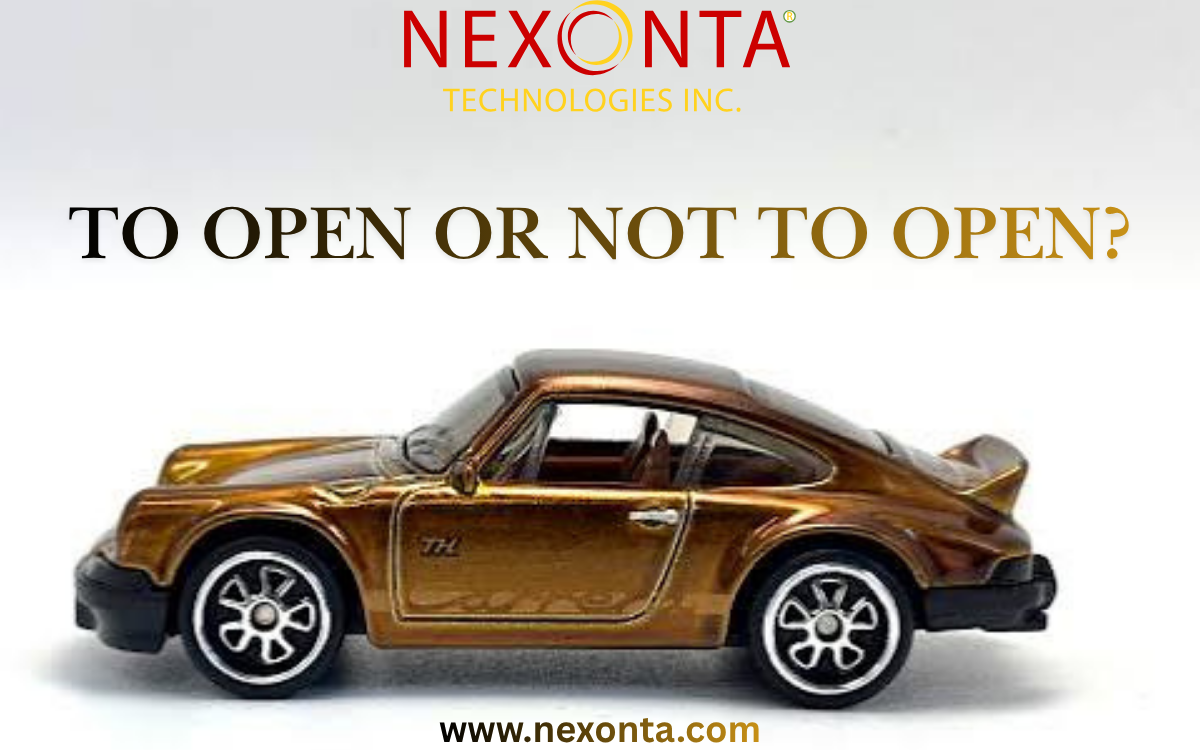
  • To Open or Not to Open? The Hot Wheels Collector’s Dilemma

    To Open or Not to Open? The Hot Wheels Collector’s Dilemma

    There is something exciting about the debate over Hot Wheels unopened vs opened. As collectors, we love seeing a car sitting perfectly inside its original packaging. The card is clean, the blister is untouched, and everything looks exactly the way it did when it left the store. But what happens when the car itself has a feature that you simply cannot enjoy without opening it?

    That is the question we have been asking lately.

    And honestly, we are not sure there is an easy answer.

    The Beauty of Keeping Hot Wheels Sealed

    For many Hot Wheels collectors, keeping a car sealed is part of the fun.

    There is something special about finding a casting you have been searching for, bringing it home, and adding it to your collection without ever touching the blister.

    The packaging becomes part of the collectible.

    A sealed Hot Wheels car also gives you that feeling of preserving a little piece of history. Years from now, you can still see exactly how the car was packaged and presented when it was released.

    And then there is the value question.

    Depending on the casting, rarity, condition and demand, opening a car can affect its future collector value. For some collectors, that alone is enough reason to leave it sealed.

    But lately, Hot Wheels has been giving collectors a very good reason to break that seal.

    What If the Best Part Is Hidden Inside?

    This is where things get interesting.

    We have started coming across newer Hot Wheels castings with functionality that you can only really appreciate once the car is out of its packaging.

    That creates a serious collector dilemma.

    Do you protect the collectible?

    Or do you experience the collectible?

    Those are two very different things.

    For a collector who loves the details, opening the package can be incredibly tempting. You can hold the car, inspect the casting, move the features and discover details that simply are not as obvious through the blister.

    But once that package is opened, there is no going back.

    That little plastic seal has been broken.

    And for some of us, that is almost painful to think about!

    The New Batmobile Makes a Strong Case for Opening

    One recent Batmobile release really caught our attention.

    This particular casting has a removable plastic shell on the actual car. Remove the shell and you get to see more of the wonderful casting underneath.

    Now that is a feature designed to make collectors curious.

    You can imagine finding this Batmobile on the pegs.

    You pick it up.

    You look at it from every angle.

    Then you notice the removable shell.

    Suddenly, the question becomes:

    “What does it look like underneath?”

    And that is exactly where the collector’s dilemma begins.

    If you open it, you get to experience the feature exactly as the designers intended.

    If you leave it sealed, you preserve the car and its packaging.

    So which is more important?

    Then There Is the Porsche Treasure Hunt

    As if the Batmobile wasn’t enough, there is another casting that makes the unopened-versus-opened debate even harder.

    A Porsche Treasure Hunt has a very cool feature involving the wheels.

    The hub caps can actually be adjusted.

    Tap on the hub caps and the look of the rims changes from inverted to protruding.

    That is a fantastic little piece of Hot Wheels engineering.

    It is also exactly the kind of feature that makes a collector want to take the car out of the package.

    Just imagine being able to hold that Porsche in your hand and change the wheel configuration yourself.

    Pretty cool, right?

    Absolutely.

    Would we open one?

    That’s another story.

    I Don’t Think I Could Do It

    This is where our collector instincts take over.

    As cool as that Porsche feature would be to try, I honestly don’t think I could bring myself to break the seal if I were lucky enough to find one.

    There is something about seeing that Treasure Hunt sitting untouched in its original packaging that would make me hesitate.

    I’d probably pick it up.

    Look at the wheels.

    Turn the package around.

    Admire the casting.

    Think about opening it.

    Then put it safely back in the collection.

    At least for now!

    Maybe that’s the funny thing about collecting.

    Sometimes the enjoyment comes from owning the item.

    Other times, it comes from experiencing it.

    And occasionally, we want both.

    Are Hot Wheels Becoming More Fun to Open?

    This is an interesting direction for Hot Wheels.

    For years, collectors have been used to the idea that the packaging protects the collectible. But when manufacturers start adding interactive features to the casting itself, the packaging can almost become a barrier.

    The car is still there.

    The details are still there.

    But you cannot fully experience them until the blister is gone.

    That could change how some collectors think about opening their cars.

    There may always be collectors who keep everything sealed. There will also be collectors who open everything and enjoy every detail.

    And then there are collectors like us.

    The ones who stand in the middle holding a Hot Wheels car and thinking:

    “I really want to open this… but I really don’t want to open this.”

    The Great Hot Wheels Debate

    So, where do you stand?

    Are you a sealed collector who would never break the blister?

    Are you an open collector who believes Hot Wheels are meant to be enjoyed?

    Or do you have a little bit of both in your collection?

    Maybe you keep your rare Treasure Hunts and harder-to-find models sealed, while opening the cars with special features.

    There really isn’t a wrong answer.

    That’s the beauty of collecting.

    Your collection should reflect what makes you happy.

    For us, though, that Porsche Treasure Hunt would probably stay sealed.

    We may admire those adjustable wheels from behind the plastic for a very, very long time.

    What Would You Do?

    Now we want to hear from you.

    Would you open a Hot Wheels casting if it had a special feature that could only be experienced outside the packaging?

    What about a Treasure Hunt?

    And what if opening it could potentially affect its collector value?

    Would curiosity win?

    Or would the collector in you say, “Absolutely not. Put it back on the shelf!”

    Join the conversation and tell us where you stand on the Hot Wheels unopened vs opened debate.

    And if you love Hot Wheels as much as we do, keep exploring our collector content, share your favourite finds with us, and follow along as we continue the hunt for those special castings that make collecting so much fun.

  • The Covenant: When a Movie Feels Like Your Own Life

    The Covenant: When a Movie Feels Like Your Own Life

    Every now and then, you come across a movie that gives you the perfect depiction of real life. And if you’re really lucky, you find a movie that feels like a perfect depiction of your life. That is exactly how I felt watching The Covenant movie, starring Jake Gyllenhaal and Dar Salim, and directed by Guy Ritchie.

    I’m not usually a big fan of war movies. They are simply not my first choice when I sit down to watch something.

    But The Covenant wasn’t really about war for me.

    It was about something much bigger.

    It was about loyalty.

    It was about keeping your word.

    It was about doing the right thing when nobody is watching.

    And most of all, it was about what it means to be a person of higher standards.

    As I watched the story unfold, I couldn’t help but see myself in Master Sgt. John Kinley, played by Jake Gyllenhaal.

    And I saw my best friend, DeeMoney, in Ahmed, played by Dar Salim.

    That realization hit me harder than I expected.

    Sometimes a Movie Tells Your Story

    At the heart of The Covenant, John Kinley is a soldier whose life becomes deeply connected to his interpreter, Ahmed.

    Ahmed isn’t simply doing a job.

    He becomes someone Kinley can depend on.

    Someone who steps up when things get dangerous.

    Someone who puts his own life on the line.

    And when Ahmed needs help, Kinley doesn’t forget what Ahmed did for him.

    That part of the story stayed with me.

    Because I’ve learned that real friendship isn’t about being around when everything is easy.

    Real friendship shows itself when life gets messy.

    When things fall apart.

    When you’re tired.

    When you’re struggling.

    When you don’t know what the next step is.

    That’s when you discover who is really standing beside you.

    And I’ve been incredibly fortunate to have someone like that in my life.

    Her name is DeeMoney.

    DeeMoney Is My Ahmed

    There are people who come into your life for a season.

    There are people who become friends because you share the same interests, the same workplace, the same neighbourhood or simply the same stage of life.

    And then there are those rare people who become part of your story.

    DeeMoney is one of those people for me.

    She has supported me through some incredibly difficult times.

    Not just with words.

    With action.

    She showed up.

    She helped me.

    She believed in me.

    And sometimes, she believed in me when I wasn’t sure I believed in myself.

    That’s what made The Covenant movie feel so personal.

    I understood that feeling of having someone in your life who doesn’t walk away when things get difficult.

    Someone who doesn’t ask, “What’s in it for me?”

    They simply ask, “What do you need?”

    Those people are rare.

    And when you find one, you don’t take them for granted.

    Your Word Should Mean Something

    One of the biggest lessons I took from The Covenant has nothing to do with military service.

    It has to do with character.

    Your word should mean something.

    If you tell someone you’re going to do something, you should do everything you reasonably can to make it happen.

    If someone has stood beside you during the hardest moments of your life, you don’t forget that when life gets better.

    And if someone helped you get back on your feet, you don’t suddenly disappear once you’re standing again.

    That’s not loyalty.

    That’s convenience.

    I’ve always believed that who you are when nobody is watching says far more about you than what you say about yourself.

    It’s easy to talk about loyalty.

    It’s easy to say, “I’ve got your back.”

    The real test comes when someone actually needs you.

    That’s when your words have to become actions.

    Some Debts Can Never Really Be Repaid

    There is a line between owing someone money and owing someone your gratitude.

    The first can usually be repaid.

    The second can stay with you for a lifetime.

    I feel that way about DeeMoney.

    I am forever grateful for the role she has played in my life.

    In many ways, I owe her the life I am able to enjoy today.

    That’s not something I take lightly.

    And I don’t believe gratitude should simply be spoken.

    It should be demonstrated.

    That’s why I want to be there for her.

    I want to see her happy.

    I want to see her succeed.

    I want to see her experience the good things she deserves.

    And I will do whatever I can to help make sure she is living her best life.

    Because that’s what friendship is supposed to be.

    It’s not a transaction.

    It’s not keeping score.

    It’s knowing that sometimes one person carries the other.

    And sometimes the roles reverse.

    The People Who Change Our Lives

    We often think the big moments in our lives are the things that define us.

    The promotion.

    The new business.

    The big move.

    The relationship.

    The achievement.

    But when I look back, I think it’s the people who have been there through those moments that matter most.

    The people who picked up the phone.

    The people who listened.

    The people who encouraged us to keep going.

    The people who reminded us who we were when life temporarily made us forget.

    Those are the people worth holding onto.

    And those are the people worth becoming for someone else.

    Watching The Covenant movie reminded me of that.

    It reminded me that friendship isn’t just about enjoying the good times together.

    It’s about responsibility.

    It’s about honour.

    It’s about showing up.

    It’s about having a standard for yourself that doesn’t disappear when things become inconvenient.

    What Does Your Word Mean to You?

    Maybe that’s why The Covenant connected with me so deeply.

    I didn’t see a war movie.

    I saw a story about two people who made a difference in each other’s lives.

    I saw the importance of keeping your word.

    I saw the power of loyalty.

    And I saw a little bit of my own life reflected on that screen.

    I saw John Kinley.

    I saw Ahmed.

    And I saw DeeMoney and me.

    Not because our lives are the same as theirs.

    They aren’t.

    But because the underlying lesson is universal.

    The people who stand beside us during our hardest moments deserve to know that we will stand beside them when they need us.

    That’s the kind of person I want to be.

    And that’s the kind of friendship I want to continue building.

    So, DeeMoney, if you ever read this, I hope you know something.

    Thank you.

    Thank you for showing up.

    Thank you for believing in me.

    Thank you for standing beside me when things weren’t easy.

    And thank you for being the kind of friend who reminds me that good people still exist.

    I may never be able to repay everything you’ve done for me.

    But I can spend the rest of my life making sure you know how much you mean to me.

    And I’ll keep doing everything I can to make sure you’re living your best life.

    Because when you find a friendship like that, you don’t take it for granted.

    You honour it.

    What About You?

    Have you ever watched a movie that felt like it was telling your story?

    Maybe it reminded you of a friendship.

    Maybe it reminded you of someone who helped you through a difficult chapter.

    Or maybe it made you realize that someone in your life deserves a little more appreciation.

    Take a moment today and think about that person.

    Then tell them.

    Don’t wait for the perfect moment.

    Sometimes the most important words are the ones we simply need to say.

    If someone has stood beside you through the difficult times, reach out and let them know how much they mean to you. Life is too short to leave gratitude unspoken.

  • Stripe’s OpenRouter Deal Signals the Rise of AI as a Commodity

    Stripe’s OpenRouter Deal Signals the Rise of AI as a Commodity

    Large language models (LLMs) are quickly becoming a commodity, and Stripe’s acquisition of OpenRouter could be one of the clearest signs yet. Stripe has agreed to acquire OpenRouter, an AI model gateway that gives developers access to hundreds of AI models through one platform. While Stripe has not disclosed the purchase price, reports put the deal at more than $7 billion.

    That is a huge number.

    But the bigger story may not be the price.

    It is what Stripe is buying.

    OpenRouter is helping turn AI models into something developers can access, compare, route, and pay for through a single marketplace.

    And that could change the AI industry in a very big way.

    What Is an LLM?

    Before we go further, let’s make this simple.

    LLM stands for Large Language Model.

    These are the AI models behind many of the tools we use today. They can understand and generate text, write code, analyze information, answer questions, summarize documents, and much more.

    Companies such as OpenAI, Google, Anthropic, Meta, and others have invested billions of dollars into building increasingly powerful models.

    But there is a problem.

    There are now a lot of models.

    And developers do not necessarily want to build their applications around just one.

    They want choices.

    They want the best model for the job.

    They want competitive pricing.

    They want reliability.

    And they want the ability to switch models without rebuilding their entire application.

    That is where OpenRouter comes in.

    OpenRouter Is Building the Marketplace

    Think of OpenRouter as a marketplace and gateway for AI models.

    Instead of a developer having to connect separately to dozens of AI providers, OpenRouter provides a single interface for accessing a large selection of models.

    Today, OpenRouter says it provides access to more than 400 models from more than 80 providers. It also reports more than 10 million global users and more than 200 trillion monthly tokens.

    That is significant.

    It means developers can compare models and choose the one that makes the most sense for a particular task.

    One model may be better for coding.

    Another may be better for reasoning.

    Another may be faster.

    Another may be cheaper.

    And another may be better for a specific type of application.

    The developer does not necessarily need to care who built the model.

    They need the model that gets the job done at the right price and performance level.

    That is a very different way of thinking about AI.

    AI Could Be Moving Toward a Commodity Market

    This is where the comparison with oil and gas becomes interesting.

    Think about the energy industry.

    You do not need to know exactly which oil field produced every barrel of fuel you purchase.

    The market has developed infrastructure around the commodity.

    There are producers.

    There are distributors.

    There are marketplaces.

    There are pricing systems.

    There are exchanges.

    And there are businesses that build products and services on top of that infrastructure.

    AI could be moving in a similar direction.

    The underlying models are becoming increasingly important, but so is the infrastructure that connects businesses to those models.

    The model becomes the resource.

    The token becomes the unit of consumption.

    And the marketplace becomes the place where developers decide what resource they want to use.

    Stripe itself has highlighted this shift, saying that tokens are becoming a central economic resource for companies building with AI.

    That is a fascinating development.

    From Choosing an AI Model to Buying AI Compute

    Imagine a developer building a customer service application.

    They may start with one LLM.

    Then they discover that another model is faster.

    A third model is cheaper.

    A fourth performs better on a specific task.

    A fifth has better availability.

    Why lock yourself into one provider?

    That is the problem OpenRouter is designed to solve.

    Its platform allows developers to route requests across different AI models and providers through a unified interface. OpenRouter also provides tools for pricing, usage tracking, routing, and reliability.

    This creates something that looks less like buying a single software product and more like accessing a marketplace for AI intelligence.

    And that could become extremely valuable.

    Why Stripe Wants OpenRouter

    At first glance, Stripe buying an AI model marketplace might seem strange.

    Stripe is known primarily for payments.

    But look a little closer.

    Stripe already sits in the middle of billions of dollars of digital commerce.

    It understands transactions.

    It understands billing.

    It understands subscriptions.

    And now AI is creating a completely new type of digital consumption.

    AI usage can be measured in tokens.

    Companies need to know how many tokens they are using.

    They need to know what those tokens cost.

    They need to control spending.

    They need to route workloads efficiently.

    And they need to bill customers for AI-powered services.

    That creates a natural connection between Stripe and OpenRouter.

    Stripe has already been working with OpenRouter on billing and token usage. Its January announcement said OpenRouter was using Stripe for invoicing, tax, payments, and fraud protection.

    The acquisition takes that relationship to another level.

    The Real Competition May Be Happening Above the AI Models

    For years, much of the AI race has focused on one question:

    Who has the best model?

    That question still matters.

    But another question is becoming just as important:

    Who controls the infrastructure around those models?

    That includes:

    * Model marketplaces
    * AI routing
    * Token billing
    * Usage management
    * Cost optimization
    * Developer tools
    * AI infrastructure
    * Enterprise AI spending
    * Model discovery

    This is where the industry could become much bigger than simply building better chatbots.

    The winners may not only be the companies building the smartest models.

    They may also be the companies helping businesses buy, manage, compare, and use AI efficiently.

    AI May Become Cheaper — and More Competitive

    There is another important consequence.

    Competition between models can put pressure on pricing.

    If developers can easily compare several models, providers have more reason to compete on:

    Price. Performance. Speed. Reliability.

    That is good for developers.

    It can also be good for businesses.

    Instead of paying for one expensive AI provider and accepting whatever pricing structure comes with it, companies can potentially use different models for different jobs.

    That creates a more flexible AI economy.

    And marketplaces can make that easier.

    The “Oil and Gas” Comparison Makes More Sense Than You Might Think

    There is a bigger economic lesson here.

    When a resource becomes widely available, industries develop around making that resource easier to access and use.

    Oil created an enormous ecosystem.

    So did natural gas.

    Electricity created another.

    And now AI may be creating its own resource economy.

    The raw resource is intelligence generated by models.

    The infrastructure moves that intelligence where it needs to go.

    The marketplace helps buyers choose between suppliers.

    The billing system measures consumption.

    And developers build products on top of it.

    That is much bigger than simply saying, “AI is the next big technology.”

    It suggests that AI could become a fundamental economic resource.

    What This Means for Businesses

    For businesses, this shift could be extremely important.

    You may not need to bet your entire future on one AI model.

    Instead, businesses could build AI systems that are flexible.

    Use the best model for one task.

    Use a cheaper model for another.

    Use a more powerful model when the task requires it.

    Switch providers when pricing changes.

    And automatically route workloads based on cost, performance, or availability.

    That flexibility could become a competitive advantage.

    The companies that understand this early may be able to build AI systems that are both more powerful and more cost-effective.

    The Bigger Picture

    Stripe’s acquisition of OpenRouter is about much more than Stripe getting into AI.

    It is about the financial infrastructure of AI.

    It is about how businesses will consume AI.

    It is about how developers will access models.

    And it is about how AI could become increasingly standardized, measurable, and interchangeable.

    OpenRouter’s growth shows just how quickly this market is developing. The company says it now serves more than 10 million developers and companies and processes more than 10 trillion tokens every day.

    That is no longer an experiment.

    It is infrastructure.

    And infrastructure is where things get really interesting.

    Are We Watching the Birth of an AI Commodity Market?

    That may ultimately be the most important question.

    The AI industry began with a race to build the most powerful models.

    Now the industry is starting to build the infrastructure needed to make those models widely available.

    That is a major transition.

    Just as commodities markets helped make resources easier to buy, sell, compare, and distribute, AI marketplaces could make intelligence easier to access and consume.

    The future may not be about choosing one AI.

    It may be about having access to the entire AI market and choosing the right intelligence for the job.

    And if that happens, Stripe’s acquisition of OpenRouter may eventually be remembered as one of the moments when the AI industry began moving from a collection of individual models toward a true AI economy.

    What Happens Next?

    The next few years could be fascinating.

    Will AI models become increasingly interchangeable?

    Will pricing continue to fall as competition increases?

    Will developers routinely use multiple models instead of one?

    Will AI marketplaces become as important as the models themselves?

    And perhaps the biggest question:

    Could AI become the next major commodity market of the digital economy?

    We may be closer to finding out than we think.

    Ready to Understand Where AI Is Going?

    AI is moving incredibly fast. The companies that understand the shift from **AI models to AI infrastructure, marketplaces, and commodities** will be better positioned for what comes next.

    Stay ahead of the AI curve. Follow the conversation, explore the technology, and start thinking beyond the chatbot. The next AI opportunity may not be the model — it may be the marketplace built around it.

  • The Hot Wheels Set Every Serious Collector Should Have on Their Radar

    The Hot Wheels Set Every Serious Collector Should Have on Their Radar

    Every now and then, a special 80th Anniversary Hot Wheels set comes along that makes you stop scrolling and say, “Okay… I need that one.” And luckily for me, I have a very vigilant bestie, DeeMoney, who knows exactly what catches my eye. This week, she brought the latest Hot Wheels anniversary releases to my attention, and let’s just say, my collection may be getting another very special addition.

    Some Hot Wheels Are Just Different

    If you collect Hot Wheels, you know exactly what I mean.

    There are the cars you pick up because they look cool.

    Then there are the cars you buy because they are part of a bigger story.

    Those are the ones that get your attention.

    An anniversary release falls into that second category.

    Mattel is celebrating its 80th anniversary with special Hot Wheels releases designed to mark the milestone. Some feature classic Hot Wheels castings with special anniversary graphics and packaging. Others are made with collectors in mind, giving them an extra level of display appeal.

    And that is what makes these releases so much fun.

    They are not just little cars.

    They are pieces of Hot Wheels history.

    And Then There Is Ferrari

    Now, if you are a Ferrari fan, things get even more interesting.

    Hot Wheels and Ferrari officially reunited in 2025 after more than a decade without a new product partnership. Mattel announced a full range of Ferrari collectibles, including classic Ferrari road cars and racing models.

    The first releases included some seriously impressive cars.

    One of the early collector sets paired the legendary Ferrari 312 P with the Ferrari 499P Modificata. The 312 P is especially interesting because it pays tribute to the first-ever Hot Wheels Ferrari released back in 1970.

    That is the kind of detail that gets collectors excited.

    You are not simply buying a miniature Ferrari.

    You are buying a little piece of the history shared by two iconic brands.

    Thank Goodness for DeeMoney

    This is where my bestie comes in.

    I have to give DeeMoney credit.

    She is always keeping an eye out for things that might be interesting for the collection. This week, she sent me the latest anniversary Hot Wheels information.

    And my immediate thought was:

    Yep. This belongs in the collection.

    That is one of the best things about collecting.

    You never quite know what is going to become the next great addition.

    Sometimes you find something yourself.

    Sometimes a friend spots it first.

    And sometimes your bestie knows your collection well enough to know exactly what will make you stop and take notice.

    DeeMoney definitely knows mine!

    Why Anniversary Sets Matter to Collectors

    There is something special about an anniversary release.

    For one thing, it has a clear place in Hot Wheels history.

    It marks a specific moment.

    It also gives collectors something that can stand apart from the regular releases that come and go throughout the year.

    The packaging matters too.

    For collectors who like to display their cars, special anniversary packaging can become part of the appeal. Mattel’s 80th Anniversary releases have included commemorative designs, special finishes and display-worthy packaging.

    And let’s be honest.

    Sometimes the packaging is almost as exciting as the car inside.

    A Great Collection Is About More Than Quantity

    After collecting for a while, you start to look at your collection differently.

    In the beginning, it can be tempting to grab everything.

    You see a cool car.

    You buy it.

    Then you see another one.

    You buy that too.

    Before long, you have cars everywhere!

    But eventually, you start becoming more selective.

    You begin asking:

    Does this car add something to my collection?

    That is the question I like to ask now.

    It is not about simply having more cars.

    It is about having cars that mean something.

    Cars with an interesting history.

    Cars that are difficult to find.

    Cars that look fantastic on display.

    And every now and then, a special anniversary release that checks all three boxes.

    This Is One I Wouldn’t Sleep On

    Of course, every collector has to make their own decision about what they consider valuable.

    And I would never suggest buying a Hot Wheels car simply because someone says it might become valuable someday.

    Collect because you love it first.

    Any future value is a bonus.

    But when you have an established collection, finding a release that feels like it belongs there is exciting.

    For me, an anniversary Hot Wheels release has that feeling.

    It adds another layer to the collection.

    It tells a story.

    And when you combine the Hot Wheels legacy with the renewed Ferrari relationship, it becomes even more interesting for automotive collectors

    So, Is It Worth Adding to Your Collection?

    For me?

    Absolutely.

    Every collector has those few cars that make them stop and say, “Now THAT is a good one.”

    This feels like one of those additions.

    And I am very glad DeeMoney was paying attention!

    That is the beauty of having a great collecting buddy. Sometimes they find the treasure before you do.

    So if you are a Hot Wheels collector, keep your eyes open.

    Because the next special release might be the one you wish you had picked up when you had the chance.

    Ready to Grow Your Hot Wheels Collection?

    Don’t just buy another Hot Wheels car.

    Look for the cars that tell a story.

    Look for anniversary editions, special releases, classic castings and automotive legends that bring something different to your collection.

    And if you spot a special Hot Wheels release that makes you say, “I need that one,” trust your collector instincts.

    You never know which little car could become one of the favourites in your collection.

    Happy collecting — and DeeMoney, keep those eyes open!

  • When Going Too Far Was the Business Strategy

    When Going Too Far Was the Business Strategy

    From time to time, being a movie buff leads you to a line that sticks with you. A line that somehow captures a moment in history and makes you think about how much the world has changed. In Misconduct, starring Josh Duhamel, Al Pacino and Anthony Hopkins, there is a scene that does exactly that. Anthony Hopkins delivers the line: “You’ve gone down a rabbit hole. Then at some point you have to ask yourself, how far are you willing to go to get out?”

    It is one of those lines that makes you stop and think.
    Stalin said “It’s better to go too far than not far enough.”

    But the real question isn’t how far you can go.

    It is whether you should have gone there in the first place.

    Whether you agree with the sentiment or not, it captures something that was familiar in many corporate environments decades ago.

    There was a time when protecting the organization came first. Secrets stayed inside the company. Employees were expected to protect the brand. Questioning senior leadership was not always encouraged. And in some organizations, there was a strong belief that if something wasn’t technically illegal, it was fair game.  That created an interesting grey area.

    The question wasn’t always:
    “Is this ethical?”

    Sometimes the question was:
    “Can we get away with it?”

    And that is a very different question.

    The Corporate World Has Changed

    The business world of the 1990s was very different from the one we operate in today.Information moved more slowly. There was no social media putting corporate decisions under a microscope within minutes. Employees didn’t have the same ability to share information publicly. Consumers had fewer ways to compare companies, investigate claims or organize around an issue.

    That created more room for organizations to push boundaries. Some companies tested those boundaries aggressively.They looked for loopholes. They protected information. They negotiated around the rules. And sometimes they pushed the envelope as far as they thought they could without crossing a legal line. But there is a big difference between legal and ethical. Something can be legal and still be wrong. That distinction is becoming much harder for organizations to ignore.

    The Rabbit Hole Gets Deeper

    This is where the quote from Misconduct really hits home. Once you’ve gone down the rabbit hole, getting back out can become complicated. One questionable decision leads to another. One secret requires another secret to protect it. One small compromise becomes a larger compromise. Before long, people aren’t trying to determine what the right thing to do is. They’re trying to figure out how to protect the decisions they’ve already made.That’s when corporate culture can become dangerous. Because the problem isn’t necessarily one bad decision. It is the normalization of bad decisions.

    The Next Generation Is Watching

    And here is where things get interesting. Many of the people entering leadership positions today grew up watching what happened in previous generations.They saw corporate scandals. They saw companies get caught manipulating information, mistreating employees or putting profits ahead of people.They watched organizations defend questionable behaviour until the evidence became impossible to ignore. And they learned from it. Not everyone, of course.But there is a growing expectation that businesses should be accountable for more than their bottom line.Employees want to know what a company stands for. Consumers want transparency. Investors increasingly look at corporate governance.And younger leaders are often much less willing to accept the old attitude of “that’s just how business works.” Maybe that is one of the more positive developments of our time.

    From “Can We?” to “Should We?”

    Corporate ethics isn’t about being perfect. Businesses are run by people. People make mistakes. Good decisions sometimes produce bad outcomes. And difficult choices are part of running any organization. But there should be a line.

    A healthy corporate culture encourages people to ask difficult questions before a problem becomes a crisis.
    Can we do this?
    Should we do this?
    Who could be affected?
    Would we be comfortable explaining this decision publicly?

    That last question can be particularly powerful.

    Imagine every major corporate decision being published on the front page of a newspaper tomorrow. Would everyone involved still feel comfortable with the decision? If the answer is no, perhaps the decision deserves another look.

    Transparency Changes Everything

    Technology has also changed the balance of power. Information is everywhere. Employees can communicate. Customers can research. Journalists can investigate. Social media can turn a relatively small issue into a global conversation overnight. Companies can no longer assume that their secrets will remain secrets forever. And perhaps that’s a good thing. Transparency forces organizations to think beyond short-term gains. It encourages leaders to consider reputation, trust and long-term consequences. Because rebuilding trust is much harder than protecting it in the first place.

    We Don’t Have to Go Down the Rabbit Hole

    That brings us back to that line from Misconduct.
    “How far are you willing to go to get out?”

    Maybe the better question is:

    “Why go that far in the first place?”

    There will always be pressure to make the sale.
    There will always be competition.
    There will always be shareholders, deadlines, targets and difficult decisions.

    But successful businesses don’t have to choose between doing well and doing the right thing. In fact, the strongest organizations understand that trust is one of their most valuable assets. You can lose money and recover. You can lose a customer and find another. But once people stop trusting you, rebuilding that trust can take years.

    The Business World We Leave Behind

    Every generation inherits something from the one before it. Sometimes we inherit good ideas. Sometimes we inherit bad habits.And sometimes we inherit a lesson about what not to do. Perhaps that is what makes the next generation of business leaders so important. They have an opportunity to redefine what success looks like. Not simply how much money a company makes. Not how aggressively it can compete. Not how close it can get to the legal line without crossing it. But how well it can build something people actually trust. Because ultimately, the goal shouldn’t be to figure out how far we can go. The goal should be knowing where the line is — and having the integrity not to cross it.

    What Do You Think?

    Have corporate ethics changed for the better? Are today’s businesses more accountable than they were 20 or 30 years ago? Or have we simply found new ways to push the boundaries?

    We’d love to hear what you think. Join the conversation and share your perspective on where business ethics are headed next.

    The best businesses aren’t just built on profits. They’re built on trust.

☎ ✉
f 𝕏
error: Content is protected !!