Tag: start a collection

  • Before You Start a Collection, Check These 5 Boxes

    Before You Start a Collection, Check These 5 Boxes

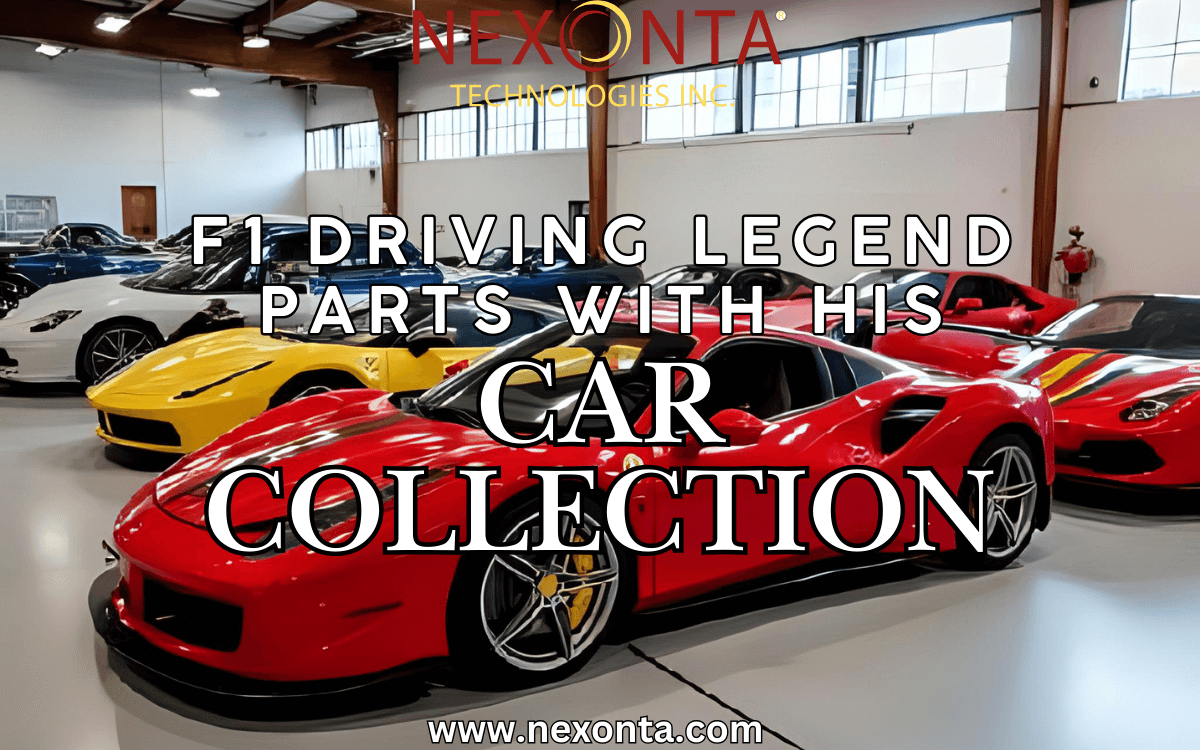
    Starting a collection is exciting. It’s the thrill of the hunt, the pride of ownership, and the joy of building something that feels uniquely yours. But even icons think carefully before they start a new one. Take Lewis Hamilton, for example. The seven-time Formula 1 world champion made headlines when he got rid of his car collection—yes, the guy who drives the fastest machines in the world—so he could focus on his new passion: collecting art.

    That move shows something important. A great collection isn’t just about what you collect—it’s about why you collect it. Before you dive in headfirst, it’s worth slowing down just long enough to ask yourself a few key questions. Because when you get this part right, your collection becomes more than a hobby. It becomes part of your story.

    Here are five boxes you’ll want to check before deciding where to put your time, money, and energy.

    1. Does it line up with your values?

    Your collection should feel like an extension of you. If you care about sustainability, maybe vintage or upcycled items are your thing. If creativity fuels you, art, music, or design pieces might be the way to go. Whatever you choose, it should make you feel good about what you’re building—not conflicted.

    Lewis Hamilton is a perfect example here. For years, his car collection didn’t align with his growing commitment to sustainability. So he sold it and shifted into art—a field that reflects creativity, culture, and personal expression. He didn’t just pick a collection at random; he chose one that lined up with his values.

    2. What’s the cost?

    Collections can sneak up on your wallet if you’re not careful. Hot Wheels might seem cheap… until you’ve bought 200 of them. On the flip side, comic books, watches, or art can get pricey fast. Decide on your budget early so you can collect with excitement, not guilt.

    3. Will it last?

    Some collections age well—coins, stamps, vintage cars, even sneakers. Others may fizzle out when trends change. Longevity doesn’t just mean financial value, though. It’s also about whether the collection will still matter to you ten years from now. Think beyond the “shiny new” phase.

    Hamilton’s move to art shows the power of longevity too. A car collection might have incredible financial value, but an art collection carries both cultural weight and personal meaning that can last a lifetime.

    4. How much time does it take?

    Let’s be real: some collections demand time. Hunting down rare finds, preserving condition, or learning the history behind items can become a part-time job. Others are more casual—grab-and-go, display, enjoy. Neither is wrong, but know yourself. If you don’t have the time, choose a collection that fits your lifestyle.

    5. Does it do good in the world?

    This is the moral checkmark. Does your collection make the world (or even just your corner of it) a little brighter? Maybe you’re preserving culture, supporting small creators, recycling the old into something new, or simply sparking joy for others when you share it. And here’s the kicker: are you proud to be associated with it? If the answer is yes, that’s a strong green light.

    This is another reason Hamilton’s switch is so powerful. By leaving behind his gas-guzzling car collection and stepping into art, he aligned his collecting habits with his environmental advocacy. That choice doesn’t just feel good for him—it sets an example for millions who look up to him.

    Final Thought

    Starting a collection is more than gathering stuff—it’s about creating meaning. When you check these boxes—values, cost, longevity, time, and impact—you’re not just curating objects. You’re building a reflection of who you are and what you care about.

    And that’s a collection worth showing off.
  • Collecting Without Children: A Surrogate Form of Parenthood

    Collecting Without Children: A Surrogate Form of Parenthood

    There’s something deeply human about the need to nurture, build, and grow. For many, this instinct is most clearly expressed through raising children. But what if you don’t have children? What if life took you down a different path — by choice or by circumstance?

    That innate desire to create and care doesn’t just vanish. It often finds new, beautiful forms of expression — and for many, one of the most powerful and fulfilling is collecting.

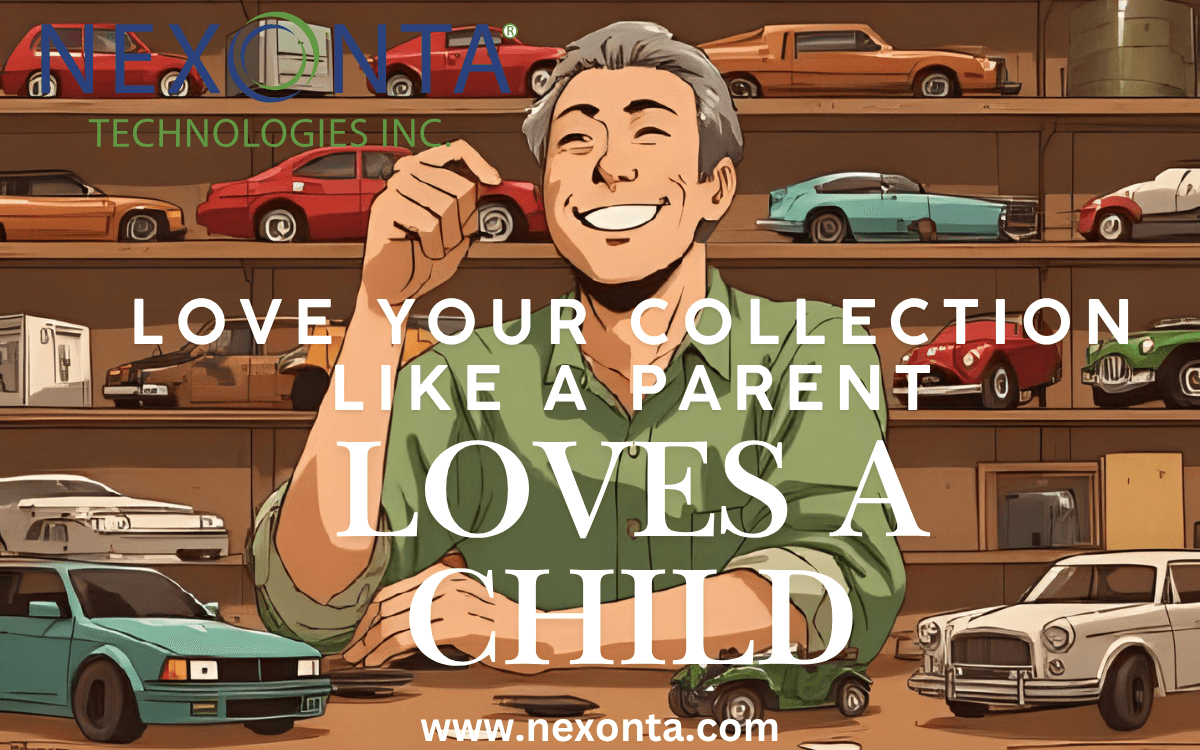
    Whether it’s Hot Wheels, vintage watches, rare books, comic books, vinyl records, or quirky figurines from childhood, building a collection is more than just acquiring stuff. It’s about crafting meaning, telling a story, and pouring love into something that grows over time. In many ways, it mirrors the experience of parenthood — and for some, it becomes a surrogate for it.

    1. Collections Are Born from Passion

    Like parenting, collecting starts with something small: a spark of curiosity, an emotional memory, or even a chance discovery at a thrift store or garage sale. One item becomes two, then ten. Before you know it, you’re organizing shelves, researching the history behind each piece, and thinking about preservation and presentation.

    Your collection begins to take on a life of its own — just like raising a child.

    2. You Care for It, Grow It, and Watch It Evolve

    Collections don’t just sit there — they evolve with you. You learn to take better care of your items. You curate them with care. You even feel a sense of pride when someone compliments your setup or when you finally acquire that elusive piece you’ve been hunting for.

    It requires time, commitment, patience — and yes, sometimes a little sacrifice. Sound familiar?

    3. Your Collection Reflects Who You Are

    In many ways, our collections are like our legacy. They reflect our values, our tastes, our memories, and even our emotional growth. You may not be passing on DNA, but you’re passing on meaning — to friends, to family, and to future collectors who will one day cherish what you built.

    A carefully cultivated collection is a personal time capsule. It captures your essence, your era, your passions.

    4. A Source of Comfort, Joy, and Purpose

    There’s a reason why collectors feel a sense of peace when they’re in their space — surrounded by pieces they’ve chosen with intention. Just as a parent finds joy in watching a child learn and grow, the collector feels a sense of deep satisfaction in watching their collection come together.

    In difficult times, it becomes a safe space. In joyful times, it becomes a reason to celebrate.

    5. The World Needs Creators, Not Just Consumers

    If you’ve never had children, you’re not missing out on the ability to create — because creation takes many forms. Starting a collection is an act of resistance against a disposable culture. It’s saying: I see value in the old, the rare, the meaningful. It’s a quiet but powerful form of legacy-building.

    It’s also a way to connect — with others who share your passion, with the past, and even with your younger self.

    Your Collection Is a Kind of Family

    Not everyone has children. Not everyone wants them. And that’s okay. But everyone has a need to nurture something — a dream, a garden, a craft, or a collection.

    If you feel that tug to create something lasting and meaningful, start a collection. It may be the closest you get to parenting — and in many ways, it will bring you the same kind of joy, pride, and connection.

    Because in the end, it’s not about what you collect. It’s about why.

☎ ✉
f 𝕏
error: Content is protected !!