Tag: entrepreneurship

  • To Thine Own Self Be True: Why Authenticity Matters in Business

    To Thine Own Self Be True: Why Authenticity Matters in Business

    “To thine own self be true.”

    Those famous words from William Shakespeare’s Hamlet still ring true today. In fact, authenticity in business may be more important now than ever. Over the past several years, businesses have faced inflation, economic uncertainty, changing consumer habits, supply chain problems, and plenty of other challenges. Some businesses struggled. Others found a way to grow. While there are many reasons for that difference, one factor stands out: people want to do business with people and companies they trust.

    And trust starts with being genuine.

    What Does It Mean to Be Authentic in Business?

    Being authentic does not mean telling everyone everything about your business.

    It means knowing who you are, what you stand for, and what you can deliver. Then, you make sure your actions match your words.

    That sounds simple.

    Yet, it can be surprisingly difficult.

    Businesses often feel pressure to follow the latest trend. They may copy a competitor’s marketing. They may try to sound bigger than they are. Or they may make promises they cannot consistently keep.

    That approach might attract attention.

    It does not always build trust.

    Authenticity is different.

    An authentic business understands its strengths. It knows its limitations. Most importantly, it knows its customers and works hard to deliver real value.

    People Buy From People They Know, Like and Trust

    There is an old saying in sales:

    People buy from people they know, like and trust.

    There is a reason that saying has lasted so long.

    Most consumers are careful about where they spend their money. They want to feel confident that they are making a good decision.

    Think about the last time you purchased something expensive.

    You probably did not choose the first company you found.

    You may have checked reviews. You may have looked at the company’s website. You may have asked someone for a recommendation. You may even have compared several businesses before making your decision.

    Why?

    Because spending money involves risk.

    The higher the price, the greater that perceived risk can become.

    This is where trust becomes incredibly important.

    Why Premium Products Can Command Premium Prices

    Consider high-end products.

    A luxury watch, premium vehicle, high-end hotel, or professional service can carry a much higher price than a basic alternative.

    Why are people willing to pay more?

    The answer is not always the product itself.

    Customers are often paying for a combination of quality, experience, reliability, service, reputation, and confidence.

    They expect something better.

    They expect the company to stand behind what it sells.

    They expect a certain level of service.

    And they expect the experience to match the promise.

    That is an important lesson for every business.

    Your price is part of your promise.

    If you position yourself as a premium business, your customer experience needs to support that position.

    If you compete on affordability, you still need to deliver on your promise.

    Authenticity means making sure the reality matches the message.

    Know Yourself Before You Try to Know Your Customer

    One of the most important questions a business can ask is:

    Who are we?

    Not who do we want to look like.

    Not who is our biggest competitor.

    And not what is currently trending.

    Who are we?

    What makes your business different?

    What do you do exceptionally well?

    What problem do you solve?

    Why should someone choose you instead of another company?

    These questions may sound basic, but they can lead to powerful answers.

    Once you understand your own business, you can start understanding your ideal customer.

    And that is where things get interesting.

    Know Your Customer

    You cannot effectively market to everyone.

    Your ideal customer has specific needs, concerns, goals, and expectations.

    They may care about price.

    They may care about quality.

    They may care about convenience.

    They may care about personal service.

    They may care about reputation.

    Often, they care about several of these things at once.

    The key is understanding what matters most to them.

    Then your marketing can speak directly to those needs.

    This is much more effective than trying to be everything to everyone.

    When your message clearly reflects who you are and who you serve, your business becomes easier to understand.

    And when people understand you, it becomes easier for them to trust you.

    Authenticity Helps Businesses Weather Tough Times

    No business is immune to economic challenges.

    Markets change.

    Customers change.

    Technology changes.

    Competitors change.

    Sometimes things happen that are completely outside your control.

    Authenticity cannot prevent those challenges.

    What it can do is give you a stronger foundation.

    A business that has built genuine relationships with its customers has something valuable when times get tough.

    Customers may be more willing to stay.

    They may recommend the business to others.

    They may give the company another opportunity.

    Why?

    Because they have developed confidence in the relationship.

    That is much harder to build when your entire marketing strategy is based on short-term sales.

    Your Brand Is More Than Your Logo

    When people hear the word “brand,” they often think about logos, colours, websites, and advertising.

    Those things matter.

    But your brand is much bigger than your visual identity.

    Your brand is what people think and feel when they hear your company’s name.

    It is the experience they have when they contact you.

    It is how quickly you respond.

    It is whether you keep your promises.

    It is how you handle a problem.

    It is whether your employees treat customers with respect.

    It is what your customers say about you when you are not in the room.

    That is why authenticity in business matters so much.

    Your marketing can make a promise.

    Your customer experience has to keep it.

    Don’t Try to Be Something You’re Not

    One of the biggest mistakes a business can make is trying too hard to impress people.

    You do not have to pretend to be the biggest company in your industry.

    You do not have to use complicated language.

    You do not have to copy someone else’s personality.

    And you certainly do not have to chase every new marketing trend.

    Be yourself.

    Know what you are good at.

    Be honest about what you offer.

    Tell your story.

    Show people why your business exists.

    Then deliver what you promised.

    That is how relationships are built.

    Authenticity Is Good for Business

    Being authentic is not just a feel-good idea.

    It makes good business sense.

    When customers trust your business, they are more likely to feel comfortable buying from you. They are also more likely to come back and recommend you to someone else.

    That creates something every business wants:

    long-term customer relationships.

    And those relationships can be far more valuable than a single transaction.

    The goal should not simply be to make a sale.

    The goal should be to give customers a reason to come back.

    The Shakespeare Lesson Still Applies

    More than 400 years after Shakespeare wrote Hamlet, the message behind “To thine own self be true” remains remarkably relevant.

    Know yourself.

    Know what you stand for.

    Know your customer.

    Understand what they need.

    Then make sure your business, marketing, products, and customer experience all tell the same story.

    In a world where consumers are constantly exposed to advertising, AI-generated content, sales pitches, and endless marketing messages, genuine businesses have an opportunity to stand out.

    You do not have to shout the loudest.

    You need to be believable.

    You need to be consistent.

    And above all, you need to be trustworthy.

    Because when everything else changes, trust still matters.

    Ready to Build a More Authentic Business?

    Your customers are looking for more than a product or service. They are looking for a business they can feel confident dealing with.

    At Nexonta Technologies, we believe effective digital marketing starts with understanding your business, your customers, and what makes you different. From website design and digital marketing to AI-powered SEO solutions, we can help you turn that authenticity into a stronger online presence.

    Ready to make your business easier to find, easier to understand, and easier to trust? Contact Nexonta Technologies today and let’s talk about your digital marketing strategy.

  • AI for Solopreneurs: Finding Your Business Voice in a Changing Economy

    AI for Solopreneurs: Finding Your Business Voice in a Changing Economy

    The global economy has changed dramatically, but one thing has stayed the same: AI for solopreneurs still comes down to something very human. People like doing business with people they know, trust, and relate to. That is why finding your business voice is so important, especially when you are just starting out.

    And this is where artificial intelligence can become a surprisingly valuable business partner.

    Not because AI should replace you.

    It shouldn’t.

    Instead, think of it as a tool that can help you find your direction, organize your thoughts, and work through some of the growing pains that come with starting a business.

    The Fundamentals of Business Have Not Changed

    Technology changes. Markets change. Consumer habits change.

    The tools we use to run businesses today would probably look completely different to a business owner from 20 years ago.

    But the basic fundamentals are still there.

    People want to do business with people they trust.

    They want to understand what you offer. They want to know why you are different. And they want to feel like there is a real person behind the business.

    This is especially important for the solopreneur.

    When you are running a business on your own, you are often the salesperson, marketer, customer service representative, strategist and content creator all at once.

    That’s a lot of hats to wear.

    AI can help take some of that pressure off.

    Your AI Assistant Can Help You Find Your Voice

    One of the biggest challenges when starting a business isn’t always knowing what you sell.

    It’s figuring out how to talk about it.

    You may understand your product or service perfectly. But when you sit down to write a website page, social media post or email, suddenly everything feels complicated.

    What should you say?

    How should you say it?

    Does it sound professional enough?

    Does it sound like you?

    This is where tools such as ChatGPT and Claude can be useful.

    You can have a conversation with the AI about your business. Explain what you are trying to accomplish. Talk about your customers. Share your ideas. Explain what you like and what you don’t like.

    Then ask it to help you organize those thoughts.

    The more you use an AI model as part of your regular workflow, the more useful the conversations can become. You can give it feedback and direction. You can tell it when something doesn’t sound like you.

    Over time, you can build a much clearer picture of your business voice and the type of communication you want to put into the world.

    That doesn’t mean AI becomes your voice.

    You are still the voice.

    AI simply gives you another set of tools to help bring that voice into focus.

    AI Can Help You Through the Growing Pains

    Starting a business can be overwhelming.

    There are websites to build. Content to create. Emails to write. Customers to find. Processes to develop. Social media to manage.

    And then there are all the questions you didn’t even know you were going to have.

    This is one of the areas where AI can be incredibly helpful.

    You can use it to brainstorm ideas, create outlines, explain unfamiliar concepts, organize information, prepare questions for professionals and help you think through different options.

    It can even help you prepare before you sit down with an accountant, lawyer or other professional.

    That preparation can be valuable.

    Instead of walking into a meeting saying, “I don’t really know what I need,” you can arrive with a list of questions and a better understanding of the issues you want to discuss.

    That can make your professional consultations much more productive.

    Use AI Before You Spend Thousands on Answers

    There is another potential benefit for a new business owner.

    Professional advice can be expensive.

    And it should be.

    Accountants, lawyers and other licensed professionals bring specialized knowledge and experience to the table. There are times when you absolutely need that expertise.

    But you may not need to pay a professional to explain every basic question that comes up during the early stages of your business.

    AI can help you do some of the preliminary work.

    For example, you might use AI to help you understand the difference between different business structures, create a list of questions for your accountant, organize your expenses or explain terminology you don’t understand.

    Then you can take that information to the appropriate professional and ask better questions.

    That’s where AI can become a money-saving tool.

    There is an important distinction, though.

    AI tools are not a replacement for licensed accounting, legal or tax advice. Their answers can also be wrong, incomplete or based on information that needs to be verified.

    When the stakes are high, get professional advice.

    The goal isn’t to replace the professional.

    The goal is to make better use of your time with them.

    Think of AI as Your Business Sounding Board

    Perhaps one of the most useful ways to use AI is simply as a sounding board.

    Have an idea?

    Talk it through.

    Not sure if your website message makes sense?

    Ask AI to look at it from a customer’s perspective.

    Writing an email?

    Ask for feedback.

    Trying to figure out your ideal customer?

    Start a conversation.

    Have five different ideas and no idea which one to pursue?

    Talk through the pros and cons.

    Sometimes, simply putting your thoughts into words helps you understand what you actually want to do.

    AI can help with that process.

    But don’t forget the most important part.

    You make the decisions.

    AI can give you ideas. It can help you organize information. It can challenge your thinking and give you different perspectives.

    But it doesn’t know your business the way you do.

    It doesn’t know your customers the way you do.

    And it doesn’t have your personal experience.

    That’s your advantage.

    Don’t Try to Sound Like Everyone Else

    This is probably one of the biggest lessons for anyone using AI to create content.

    Don’t ask AI to make you sound like a giant corporation if you are a one-person business.

    Your personality is an asset.

    If you’re friendly, be friendly.

    If you’re direct, be direct.

    If you have a sense of humour, let some of that personality show.

    People don’t necessarily want another perfectly polished corporate message.

    They want to know who they are dealing with.

    That’s why your business voice matters.

    AI can help you refine that voice, but it shouldn’t erase it.

    Find an AI Tool You Feel Comfortable Using

    If you are a solopreneur or thinking about starting a business, I would suggest finding an AI platform that you feel comfortable using on a regular basis.

    It doesn’t have to be complicated.

    Start with the questions you already have.

    Use it to brainstorm.

    Use it to learn.

    Use it to organize your ideas.

    Use it to prepare for conversations with professionals.

    And most importantly, give it feedback.

    Tell it what you like.

    Tell it what you don’t like.

    Tell it when something doesn’t sound like you.

    The more intentionally you use your AI assistant, the more valuable it can become as part of your daily business routine.

    AI Isn’t the Business. You Are.

    There is a lot of excitement around artificial intelligence right now.

    And there should be.

    The technology is changing how people work, market businesses and solve problems.

    But it’s important not to lose sight of the bigger picture.

    Successful businesses are still built around people.

    Relationships still matter.

    Trust still matters.

    Good communication still matters.

    And knowing who you are as a business still matters.

    AI can help you get there faster.

    It can help you work through questions, organize your ideas and reduce some of the friction that comes with starting something new.

    But your experience, personality and perspective are what make your business different.

    Use AI as your assistant, not your replacement.

    That may be one of the smartest ways for a new solopreneur to navigate today’s changing business world.

    Ready to Make AI Part of Your Business?

    If you’re building a business on your own, you don’t have to figure everything out from scratch.

    Start using AI as your everyday business sounding board. Ask questions, test ideas, organize your thoughts and use it to prepare before making important decisions.

    The technology is already available. The next step is learning how to make it work for you.

    Start today. Choose an AI assistant you feel comfortable with, have your first conversation about your business, and begin building your business voice one conversation at a time.

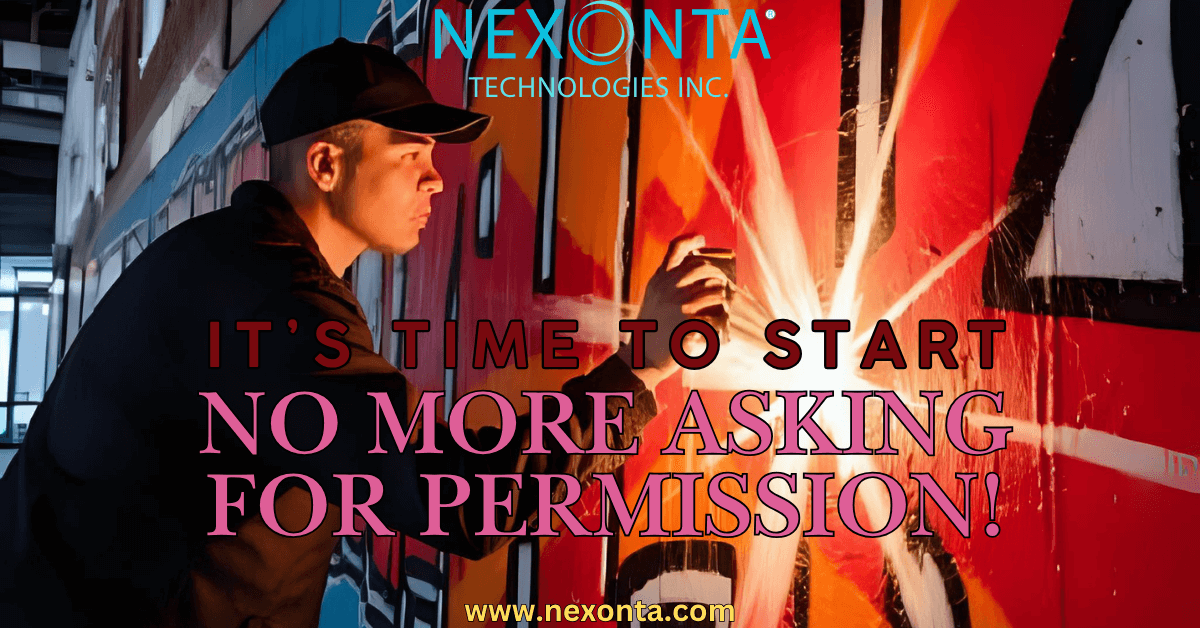
  • It’s Time to Start — No More Asking for Permission: Partner Up with ChatGPT and Create Something Wonderful

    It’s Time to Start — No More Asking for Permission: Partner Up with ChatGPT and Create Something Wonderful

    There was a time when we were taught to wait for permission — from bosses, parents, teachers, even society — before doing anything that might shake things up. That era is over.

    Today, the people who are moving forward, creating real change, and living their purpose aren’t the ones waiting for approval. They’re the ones taking action. They’re independent thinkers — not socialized followers.

    And guess what? You don’t have to do it alone anymore.

    You’ve got an incredible partner sitting right here: ChatGPT.

    The Power Has Shifted

    The gatekeepers used to hold all the cards. Want to write a book? You needed a publisher. Want to start a business? You needed an investor. Want to share your ideas with the world? You needed media coverage.

    Now? You need Wi-Fi, curiosity, and courage.

    The power has shifted to creators — to people who decide to start something, even if it’s small. ChatGPT and tools like it are like having a brainstorming partner, strategist, editor, and researcher rolled into one. You don’t have to ask for permission to explore an idea or try something new. You just start.

    Independent Thinking Is the New Superpower

    We live in a world overflowing with opinions. Social media tells us what to think. Algorithms show us what to like. The noise is constant.

    That’s why being an independent thinker — someone who trusts their own judgment and curiosity — is now a true superpower.

    Independent thinkers question everything. They explore their own ideas. They don’t need to be told what’s “safe” or “acceptable.”

    And when you combine that mindset with the capabilities of AI, you become unstoppable.

    Partner with ChatGPT — Don’t Compete with It

    Here’s the thing: ChatGPT isn’t here to replace you. It’s here to enhance you.

    Think of it as your creative teammate — one that never gets tired, judges your ideas, or tells you something can’t be done. It’s there to help you organize your thoughts, test ideas, write, create, and refine.

    Want to start a blog? Build an online business? Develop a product? ChatGPT can help you brainstorm names, write content, outline strategies, and more.

    It’s like having an idea accelerator in your pocket — but you’re still the driver.

    The Era of Permission Is Over

    You don’t need anyone’s blessing to begin. Not a boss. Not a gatekeeper. Not even your own inner critic.

    Start that YouTube channel. Write that book. Build that online store. Launch that brand. Create that art.

    Whatever it is — start it.

    The world doesn’t need more followers waiting for a sign. It needs more people who take action, trust their instincts, and bring something new into the world.

    Create Something Wonderful

    When you stop waiting for permission, life opens up in ways you can’t predict. The act of creating — of putting something out into the world — changes you. It builds confidence, courage, and momentum.

    So, open your laptop. Partner with ChatGPT. Let your ideas flow.

    Because the truth is: today’s power lies not in asking for approval — it lies in creating.

    And you already have everything you need to start.

  • In Business as in Life: Why Failing Big Leads to the Biggest Comebacks

    In Business as in Life: Why Failing Big Leads to the Biggest Comebacks

    We’ve been taught to avoid failure like it’s a disease. From school grades to career paths, the message is the same: don’t mess up. But here’s the truth no one likes to admit—failure is not just unavoidable, it’s essential. And not just the small, safe kind of failure. I’m talking about the big, gut-wrenching, knock-you-down kind of failure. The kind that makes you question everything.

    Why? Because the bigger the failure, the bigger the comeback.

    Failure is the Greatest Teacher

    Think about the times in your life when you grew the most. Was it during the smooth sailing, everything-going-your-way chapters? Probably not. Growth usually comes after something goes completely sideways—when the deal falls through, when the business idea tanks, when you’re forced to start over.

    Those moments sting. But they also strip away what isn’t working and push us to find a better way. Failure doesn’t mean the end—it means you’ve discovered one more way that doesn’t work. That’s powerful knowledge.

    Playing Small Doesn’t Work

    A lot of people play it safe to avoid failing. They take small risks, chase easy wins, and never step too far outside their comfort zone. And sure, it feels good in the moment. But the problem with playing small is you also shrink your potential.

    If you never risk failing, you never give yourself a chance to succeed in a big way. Think about every business titan, inventor, or artist you admire. They all have a string of spectacular failures behind them. What makes them legendary isn’t that they avoided failing—it’s that they were willing to swing big, miss big, and then come back stronger.

    Failure Creates Resilience

    There’s something almost magical about hitting rock bottom. You realize that the worst has happened and you’re still standing. That perspective changes everything. Suddenly, rejection doesn’t scare you as much. Risk doesn’t feel so risky. You’ve been through the fire, and you know you can walk through it again.

    That kind of resilience is worth more than any win because it builds a mindset that says: no matter what happens, I’ll figure it out. And when you have that kind of confidence, comebacks become inevitable.

    The Comeback Story is What Inspires

    Let’s be honest, nobody gets inspired by the person who never struggled. We admire the ones who fell flat, got written off, and still came back to prove everyone wrong. Failure makes the victory sweeter. It makes your story real.

    In business and in life, the people who rise from failure are the ones we remember. They remind us that success isn’t about being flawless—it’s about refusing to quit.

    Embrace the Big Failures

    So the next time you face a big failure, don’t just see it as a dead end. See it for what it really is: the setup for an even bigger comeback. If you’re failing, it means you’re trying, you’re stretching, you’re chasing something worth doing.

    And in the long run, that’s how greatness is built.

  • Your Personal Brand Is Your Biggest Business Asset

    Your Personal Brand Is Your Biggest Business Asset

    We recently released Episode 3 of our podcast on entrepreneurship, and one powerful takeaway stood out: being well-liked and able to get along with others isn’t optional—it’s essential. In today’s business world, your personal brand is your brand. Whether you’re building a company, selling a product, or growing a side hustle, how people feel about you directly impacts your success.

    Let’s unpack this idea and explore why emotional intelligence, likability, and personal connection are often more powerful than a bulletproof business plan.

    1. Your Reputation Is the Business

    In a digital age where people Google you before they Google your company, your reputation often precedes your product. Clients, investors, and collaborators want to do business with someone they trust and enjoy interacting with. Your personal brand—how you speak, act, and treat others—affects whether doors open or remain firmly shut.

    2. Likability Drives Loyalty

    People don’t just buy products—they buy into people. That’s why charismatic founders like Richard Branson or Sara Blakely can cultivate massive followings. Being likable doesn’t mean being fake or overly agreeable; it means being real, respectful, and relatable. When people like you, they tend to give your ideas the benefit of the doubt—and stick with you even when things get tough.

    3. Conflict Kills Momentum

    Entrepreneurship is a team sport. Even if you’re a solo founder, you’ll need mentors, suppliers, clients, and collaborators. If you’re hard to work with, progress slows. Being easy to talk to and open to feedback keeps your momentum alive and your relationships strong.

    4. Emotional Intelligence Over Ego

    You can be the smartest person in the room, but if you lack self-awareness, empathy, or the ability to read the room, your ideas won’t land. Great entrepreneurs listen more than they speak. They understand the energy of their brand starts with their attitude—and people mirror what you project.

    5. Your Network Grows When People Talk About You—in a Good Way

    Word-of-mouth is still the most powerful marketing tool in the world. The easiest way to go viral? Be the kind of person people want to talk about. Someone who uplifts, supports, and inspires. Your personal brand walks into every room (and Zoom call) before you do.

    At the heart of entrepreneurship is human connection. Episode 3 of our podcast reminded us that business success isn’t just about hustle and innovation—it’s about being someone others genuinely want to work with. Today, your personal brand doesn’t just support your business—it is your business.

    So the real question becomes: How are you showing up in the world? And just as importantly—how are people experiencing you?


    Missed Episode 3? Click here to listen now

    Let’s hear from you — How do you think likeability impacts success? Share your thoughts in the comments or tag us on social!

  • With Massive Challenges Comes Massive Opportunity: Why Now is the Time for Business Growth

    With Massive Challenges Comes Massive Opportunity: Why Now is the Time for Business Growth

    Let’s not sugarcoat it — the business world today feels like a rollercoaster, and not the fun kind you willingly line up for at theme parks. Market shifts, economic uncertainty, supply chain chaos, AI disruption, and ever-evolving customer expectations have many companies gripping the safety bar for dear life. But here’s the truth: behind every sharp turn and steep drop is huge opportunity — if you know how to see it.

    Change is Uncomfortable — But It’s Fertile Ground for Growth

    Think about it. Historically, some of the most iconic companies didn’t just survive during tough times; they thrived. Why? Because while others were busy worrying about the storm, these businesses were planting seeds. Disruption creates gaps — and gaps are exactly where innovators, risk-takers, and forward-thinkers step in.

    Right now, we’re living in one of the biggest shake-ups the business landscape has seen in decades. This isn’t the time to play it small. It’s the time to rethink, reimagine, and rebuild.

    Challenge #1: Technological Disruption = New Markets

    Yes, AI is changing everything — from customer service to product development — but it’s not just a threat; it’s a launchpad. The companies willing to integrate new technologies, even imperfectly at first, will gain a competitive edge. Automation, data, and digital platforms are unlocking markets and efficiencies that were impossible just five years ago.

    Challenge #2: Economic Uncertainty = Agile Advantage

    Tight markets often weed out those who can’t adapt. But for businesses that lean into flexibility, there’s a golden opportunity. Being small, nimble, or just willing to pivot quickly has never been more valuable. Big corporations might be bogged down by bureaucracy, but smaller or more innovative businesses? They can make bold moves when others hesitate.

    Challenge #3: Consumer Behavior is Shifting — and That’s a Good Thing

    Today’s customers are more conscious, values-driven, and selective. They don’t just want products; they want experiences, community, and brands that reflect their beliefs. Businesses that meet customers where they are — authentically and with purpose — will stand out like never before. This is a chance to build loyalty and connection on a deeper level.

    So, Where’s the Opportunity?

    ✅ Emerging niches waiting to be discovered
    ✅ New ways to solve old problems
    ✅ Stronger brand-customer relationships
    ✅ Markets ready for innovation
    ✅ Teams hungry for purpose and leadership

    The Bold Will Build the Future

    We can either be paralyzed by uncertainty or see it for what it really is: a rare moment in history to create something that matters. True leaders, founders, and builders know that the tougher the environment, the bigger the reward. The next big success stories aren’t waiting for things to “calm down.” They’re building now — in the chaos, in the challenge, in the unknown.

  • Now Is Not the Time to Wait—It’s Time to Take Massive Action

    Now Is Not the Time to Wait—It’s Time to Take Massive Action

    The world is changing faster than ever. AI is revolutionizing industries, the economy is unpredictable, and technology is reshaping the way we live and work. In times like these, many people hesitate, waiting to see how things unfold. But here’s the truth—waiting is a luxury you can’t afford. If you want to thrive, now is the time to take massive action.


    Why Waiting Is a Risky Strategy

    We’ve been conditioned to play it safe—to gather all the facts, wait for the perfect moment, and proceed cautiously. But history shows that the biggest rewards go to those who take action before the rest of the world catches on.

    – The Rise of AI & Automation: While some wait to see how AI will impact jobs, others are already learning new skills, adapting, and finding ways to use AI to their advantage.
    – Economic Uncertainty: Some people are holding off on starting a business or investing, fearing instability. Meanwhile, action-takers are finding opportunities in shifting markets.
    – Technological Disruptions: Those who hesitated when social media, e-commerce, or cryptocurrency emerged missed early advantages. The same is happening with Web3, AI, and digital platforms.

    If you’re sitting on the sidelines, hoping for clarity, you’re missing the moment to become the one shaping the future, instead of reacting to it.

    The Power of Taking Massive Action

    History is full of people who succeeded not because they had all the answers, but because they moved before everyone else.

    – Elon Musk didn’t wait for the perfect moment to launch Tesla or SpaceX—he jumped in and figured it out along the way.
    – Jeff Bezos started Amazon in a garage when e-commerce was a gamble.
    – Oprah Winfrey took action on her vision despite countless obstacles.

    None of these people had a guarantee of success. What they had was the willingness to take bold steps before the world confirmed they were “right.”

    How to Take Massive Action Right Now

    You don’t need all the answers—just the drive to get started. Here’s how:

    1. Make a Decision and Commit
    Indecision kills momentum. Choose one goal that excites you and commit to taking action today.

    2. Stop Consuming, Start Creating
    Many people spend too much time reading, researching, and consuming content but never act. Information is valuable, but execution is everything.

    3. Set Short Deadlines
    Long-term goals are great, but urgency drives results. Set tight deadlines—challenge yourself to make moves within days, not months.

    4. Embrace Discomfort
    Growth doesn’t happen in the comfort zone. Taking massive action means embracing fear and uncertainty and doing it anyway.

    5. Surround Yourself with Action-Takers
    Energy is contagious. If you’re around people who hesitate, you’ll hesitate. Surround yourself with those who take bold action and push forward despite challenges.

    6. Focus on Progress, Not Perfection
    Perfectionism is just another word for procrastination. Start now, refine later. The most successful people launch before they’re ready.

    7. Stay Relentless
    Setbacks will happen. Most people quit too soon. Massive action means pushing through obstacles and keeping your foot on the gas.

    Conclusion

    If you’ve been waiting for the right time—this is it. The world is shifting fast, and those who take action now will be the ones shaping the future. Whether you’re launching a business, learning a new skill, investing, or leveling up in your career, the key is to start now.

    Stop waiting. Take massive action. Your future depends on it. 🚀

  • The Reason It’s Better to Start Anything from Scratch and Trust Your Vision

    The Reason It’s Better to Start Anything from Scratch and Trust Your Vision

    In a world that often favors shortcuts and fast results, the idea of starting something from scratch might seem daunting. Yet, for those who have embarked on this journey, the rewards are far greater than taking the easy road. Trusting your vision and building from the ground up isn’t just about creating something new; it’s about crafting something meaningful, personal, and truly yours.

    1. Ownership of Every Decision

    When you start from scratch, every decision is in your hands. From choosing the color scheme to deciding on the core philosophy of your project, the result is a true reflection of your vision. This level of control brings immense satisfaction and pride because the end product is authentically yours. Nothing is diluted, and no compromises are made that deviate from your original goal.

    2. Room for Innovation

    Taking existing ideas and tweaking them can work, but nothing fosters innovation like building from zero. When you’re not bound by existing structures or limitations, your imagination and creativity can soar. Starting from scratch allows you to break the mold, try new things, and come up with solutions that others might never have considered. You’re not constrained by convention, allowing true innovation to take place.

    3. Learning and Growth

    Building something from the ground up is a powerful learning experience. You’ll face challenges, make mistakes, and encounter moments of uncertainty. But it’s through these obstacles that you’ll gain invaluable skills and knowledge. Each step teaches you something new, from problem-solving and creativity to resilience and adaptability. By the time you reach your goal, you won’t just have a finished product—you’ll have evolved as a person, equipped with the tools to tackle your next challenge.

    4. Personal and Professional Fulfillment

    Nothing feels quite as fulfilling as watching something you’ve envisioned come to life. Starting from scratch means you’ve poured your heart and soul into the process. That sense of achievement is unmatched, and it’s something that only those who embark on this journey will understand. The satisfaction of knowing you trusted yourself, overcame hurdles, and stayed true to your vision is priceless.

    5. Building a Strong Foundation

    When you start from scratch, you lay the groundwork for a strong, lasting foundation. While others may look for shortcuts, you understand that quality takes time. By building methodically and carefully, you ensure that what you create will stand the test of time. Whether it’s a business, a personal project, or even a new habit, the time and effort you invest upfront will pay dividends in the long run.

    6. Authenticity and Originality

    Starting from scratch ensures that your work is unique and authentic. You’re not just following someone else’s path or copying their model. You’re creating something that is an expression of your own ideas, values, and creativity. In an era where authenticity is more valued than ever, creating something original helps you stand out and make a lasting impact.

    7. Trusting Your Instincts

    The journey of starting from scratch forces you to rely on and trust your instincts. You’ll face plenty of opinions and external pressures, but staying true to your vision means you’re building something that resonates with you on a deep level. Trusting yourself and your ability to create something great is empowering, and it builds confidence in your capabilities.

    Conclusion

    Starting anything from scratch and trusting your vision might seem overwhelming, but the rewards are worth the effort. The process leads to immense personal growth, fulfillment, and a unique end result that is a true reflection of your creativity and determination. So, instead of looking for shortcuts, embrace the journey of building something from the ground up. After all, the greatest achievements often come from trusting yourself and daring to start from nothing.

  • The Importance of Taking the Initiative and Being the First to Market

    The Importance of Taking the Initiative and Being the First to Market

    In today’s fast-paced business landscape, taking the initiative and being the first to market can make the difference between success and failure. Companies that boldly step into new territories and introduce innovative products often reap significant rewards. But what exactly does it mean to take the initiative, and why is being the first to market so crucial? Let’s delve into these questions and explore the benefits and challenges of being a market pioneer.

    What Does It Mean to Take the Initiative?

    Taking the initiative means proactively identifying opportunities and acting on them before others do. It’s about being a trailblazer, willing to take risks and challenge the status quo. In business, this can mean launching a new product, entering an untapped market, or adopting a novel approach to customer engagement.

    Benefits of Being the First to Market

    Establishing Brand Leadership

    When a company is the first to market with a new product or service, it often gains a significant advantage in brand recognition. Being a pioneer allows a company to establish itself as a leader and innovator in its industry. For example, Tesla’s early entry into the electric vehicle market positioned it as a frontrunner, making the brand synonymous with innovation in the automotive industry.

    Setting Industry Standards

    First movers have the unique opportunity to set the standards and norms for their industry. This can include defining product features, establishing pricing models, or even influencing regulatory frameworks. Apple’s introduction of the iPhone not only revolutionized the smartphone market but also set new standards for mobile technology, design, and user experience.

    Capturing Market Share

    Early market entry allows companies to capture a significant share of the market before competitors even have a chance to enter. This early advantage can be crucial in establishing a loyal customer base and creating barriers to entry for later competitors. For instance, Amazon’s early dominance in e-commerce helped it build a massive customer base, making it difficult for other retailers to compete.

    Building Customer Loyalty

    Customers often develop loyalty to brands that they encounter first, especially if those brands deliver high-quality products and excellent customer service. Being the first to market can create a strong emotional connection with customers, leading to long-term loyalty. Netflix’s early move into online streaming garnered a dedicated user base that continues to support the platform despite growing competition.

    Challenges of Being the First to Market

    While the benefits are significant, being the first to market also comes with its own set of challenges. High risk is one of the most prominent, as there is no prior market data to rely on. Innovating requires substantial investment in research and development, and educating the market about a new product can be a daunting task.

    Strategies for Successful First Market Entry

    To navigate these challenges successfully, companies must engage in thorough market research to understand customer needs and preferences. Innovation and differentiation are key to standing out in the market, and effective marketing strategies are essential for establishing a strong market presence. Additionally, adaptability is crucial; companies must be willing to pivot based on market feedback and changing conditions.

    Case Studies

    Consider Apple, whose introduction of the iPhone reshaped the mobile phone industry. By being the first to market with a touch-screen smartphone, Apple set new industry standards and secured a dominant market position. Similarly, Amazon’s early foray into e-commerce allowed it to capture a vast market share and become the go-to online retailer for millions of consumers. Netflix’s initiative in online streaming transformed how people consume media, making it a household name and a market leader.

    In conclusion, taking the initiative and being the first to market can provide a significant competitive edge, from establishing brand leadership to capturing market share and building customer loyalty. However, it requires a willingness to take risks, invest in innovation, and adapt to changing market conditions. For businesses looking to make a mark, embracing these principles can lead to lasting success.

  • Fear is an Essential Part of Winning: Embrace the Journey

    Fear is an Essential Part of Winning: Embrace the Journey

    Fear is often seen as a barrier to success, an emotion that hinders progress and stifles potential. However, when harnessed correctly, fear can be a powerful catalyst for growth, motivation, and ultimately, winning. In this blog, we will explore why fear is an essential part of winning and how embracing it can lead to personal and professional triumphs.

    Understanding Fear: The First Step to Mastery

    The Nature of Fear
    Fear is a natural response to perceived threats. It triggers the fight-or-flight response, preparing the body to face challenges. Understanding the root causes of fear, whether it’s fear of failure, fear of the unknown, or fear of inadequacy, is the first step toward leveraging it for success.

    Fear vs. Anxiety
    It’s crucial to distinguish between fear and anxiety. Fear is a reaction to a specific, tangible threat, while anxiety is a general feeling of unease, often without a clear source. Addressing the specific fears related to your goals can help in creating actionable strategies to overcome them.

    The Positive Role of Fear in Achievement

    Motivation and Drive
    Fear can be a powerful motivator. The fear of missing out (FOMO), for example, can drive individuals to seize opportunities they might otherwise ignore. Similarly, the fear of failure can push people to work harder and smarter to achieve their goals.

    Building Resilience
    Facing and overcoming fear builds resilience. Each time you confront a fear and succeed, you reinforce your ability to handle adversity. This resilience is crucial in the journey to winning, as it prepares you to face bigger and more complex challenges.

    Innovation and Creativity
    Fear can also spur innovation. The fear of becoming obsolete pushes companies and individuals to innovate and stay ahead of the curve. Embracing fear in this way leads to creative solutions and groundbreaking advancements.

    Strategies to Embrace and Harness Fear

    Reframe Your Perspective
    Instead of viewing fear as a negative force, reframe it as a sign that you are pushing your boundaries and growing. This mindset shift can turn fear into a source of inspiration and energy.

    Set Realistic Goals
    Break down your larger goals into smaller, manageable tasks. This approach reduces the overwhelming nature of fear and provides a clear path to success. Celebrate small victories along the way to maintain motivation.

    Practice Mindfulness and Stress Management
    Techniques such as mindfulness, meditation, and deep breathing can help manage the physical symptoms of fear. Regular practice of these techniques can reduce the impact of fear on your performance.

    Seek Support and Mentorship
    Surround yourself with supportive individuals who can provide guidance and encouragement. Mentors who have faced similar fears can offer valuable insights and strategies to overcome them.

    Real-Life Examples of Fear Leading to Success

    Successful Entrepreneurs
    Many successful entrepreneurs have harnessed their fear of failure to build thriving businesses. For instance, Elon Musk faced numerous fears and challenges in his journey with SpaceX and Tesla but used them as fuel to drive innovation and success.

    Athletes and Performers
    Top athletes and performers often use their pre-competition nerves to enhance their focus and performance. The adrenaline generated by fear can heighten awareness and improve reaction times.

    Fear is an inevitable part of the journey to winning. Instead of letting it paralyze you, embrace it as a vital component of growth and success. By understanding fear, leveraging its positive aspects, and employing strategies to manage it, you can turn fear into a powerful ally in your quest for victory. Remember, it’s not the absence of fear that leads to winning, but the courage to face it head-on.

☎ ✉
f 𝕏
error: Content is protected !!