Tag: collectible investments

  • Are Hot Wheels the new sneaker game?

    Are Hot Wheels the new sneaker game?

    Are hot wheels the new sneaker game? That’s the question a lot of collectors are starting to ask. And honestly, it’s not as crazy as it sounds.

    The sneaker world changed how people think about collecting. It stopped being just about wearing shoes. It became about timing, hype, and resale value. People lined up for drops from brands like Nike and the Jordan Brand. We saw it with collaborations like Travis Scott releases, where a pair could flip for huge money overnight. Even the Swatch x Omega collaboration had people camping out just to get a chance to buy.

    That whole mindset created a simple idea.
    Buy something limited. Hold it. Watch it rise in value.

    Now something interesting is happening.

    That same energy is starting to show up in places people didn’t expect. One of those places is die-cast cars. Especially Hot Wheels.

    At first glance, it feels like a childhood toy. Small cars, blister packs, supermarket aisles. Nothing serious.

    But collectors know better.

    Some Hot Wheels drops are extremely limited. Certain models disappear fast. And once they’re gone, they don’t come back in the same form. That’s where things start to look a lot like the sneaker world.

    The key shift is mindset.

    Sneaker heads learned to do this years ago:

    * Buy on release day
    * Check resale value immediately
    * Understand rarity, hype, and demand

    Now Hot Wheels collectors are doing the same thing. The moment they bring a car home, they’re checking aftermarket prices online. Some are flipping them. Others are holding and building long-term collections based on scarcity and theme.

    And here’s the real question.

    Is this just a phase… or are we watching a new collector economy form?

    Because the ingredients are already there:

    * Limited drops
    * Nostalgia value
    * Low entry price compared to sneakers
    * Strong global collector communities
    * Growing resale marketplaces

    The difference is access. Not everyone can drop hundreds or thousands on sneakers. But almost anyone can start collecting Hot Wheels.

    That changes the game.

    It makes the “flip culture” more reachable. More widespread. And potentially more competitive over time.

    But there’s also another side to this.

    Not every Hot Wheels car will rise in value. Just like not every sneaker becomes a grail. A lot of items will stay common. The real skill is learning what actually has demand versus what just feels rare.

    That’s where collectors separate themselves from casual buyers.

    So maybe the better way to look at it isn’t “Are Hot Wheels the new sneaker game?”

    Maybe it’s this:

    The collecting game is evolving… and Hot Wheels are becoming part of it.

    We’re watching a shift where nostalgia, affordability, and resale culture are all meeting in the middle. Sneakers built the blueprint. Hot Wheels might be one of the next chapters.

    If you’re curious, start simple.
    Next time you pick up a Hot Wheels car, don’t just look at it as a toy.

    Check the drop.
    Check the demand.
    Check the aftermarket.

    You might be holding something a lot more interesting than you think.
  • How the Growth of the EV Industry is Shaping the Future of Collecting Model Cars like Hot Wheels

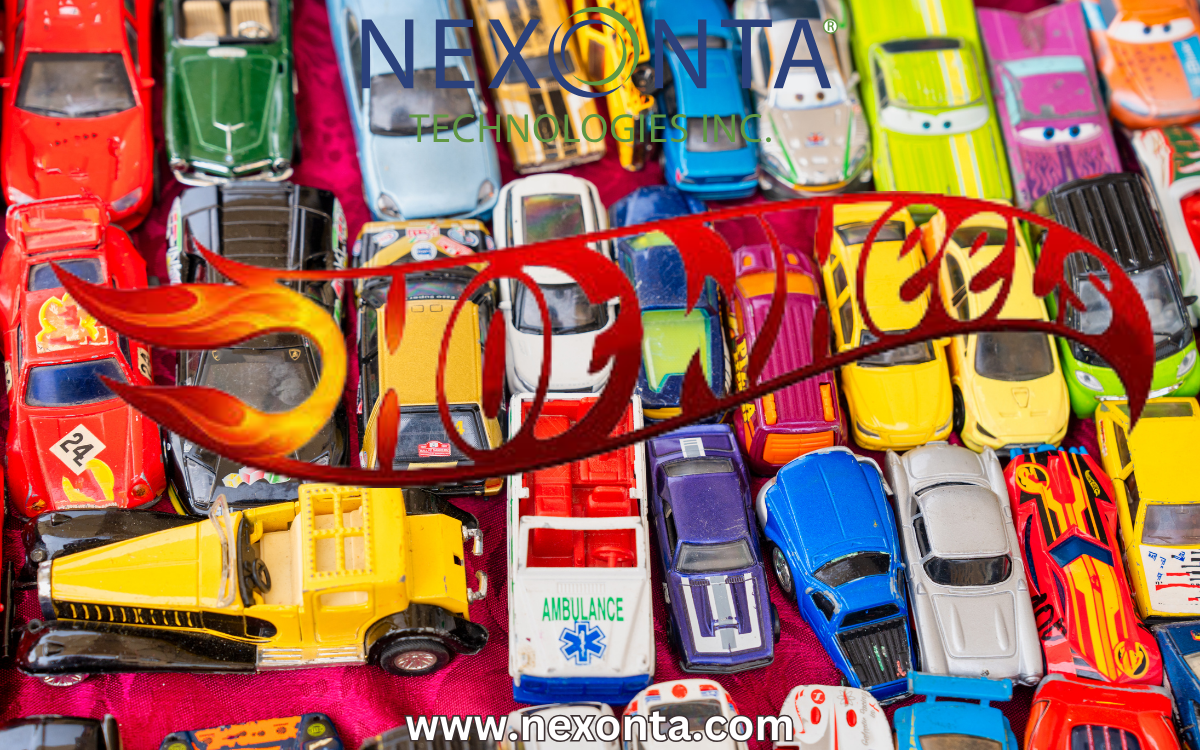
    How the Growth of the EV Industry is Shaping the Future of Collecting Model Cars like Hot Wheels

    The automotive industry is undergoing a seismic shift with the rapid rise of electric vehicles (EVs). As this transformation gains momentum, it’s not just full-sized cars that are impacted—model cars, like the iconic Hot Wheels, are also feeling the effects. For collectors, this evolution presents both challenges and exciting new opportunities. As EVs become the standard on the road, what does this mean for the world of model car collecting?

    The Reflection of Real-World Trends:

    Hot Wheels and other model car brands have always mirrored the trends and innovations of the automotive industry. As automakers pivot towards electric power, it’s only natural that model car manufacturers will follow suit. Collectors may soon see a surge in the production of EV-themed models, from Tesla’s sleek sedans to Rivian’s rugged trucks. While these new additions will appeal to a younger, eco-conscious generation, they also mark a shift in the landscape of what’s collectible.

    The Nostalgia and Value of Gas-Powered Models:

    As the real-world production of gas-powered vehicles declines, so too might the production of their model counterparts. For many collectors, the classic gas-powered models—whether it’s a vintage Mustang, a Corvette, or a Lamborghini—hold significant nostalgic value. These models harken back to a time when muscle cars ruled the road, and the sound of a roaring engine was the epitome of cool. As EVs take over, gas-powered model cars may become more sought after, much like the full-sized versions, increasing in value as they become symbols of a bygone era.

    Limited Editions and Collector Appeal:

    Hot Wheels and similar brands often release limited-edition models that cater to the tastes of serious collectors. As the automotive industry shifts, there’s likely to be a rise in limited-edition releases of classic gas-powered vehicles, commemorating their legacy. These models could become highly valuable collectibles, especially if they are produced in limited quantities or feature unique designs. Additionally, models of early EVs, representing the pioneers of this new era, might also become collector’s items in the future.

    The Rise of EV Models:

    With the growing popularity of electric vehicles, it’s expected that model car manufacturers will introduce more EV models into their lineups. Collectors who are passionate about the future of transportation might find themselves drawn to these new models, which could range from sleek city cars to futuristic concepts. As the real-world EV market expands, so too will the diversity of EV model cars, offering fresh collecting opportunities and potentially setting the stage for the next generation of valuable collectibles.

    Challenges and Considerations for Collectors:

    The shift towards EVs in the model car world isn’t without its challenges. Traditional collectors who have focused on gas-powered models may need to adjust their strategies as the market evolves. Additionally, the influx of new EV models could lead to oversaturation, making it crucial for collectors to carefully select which models to invest in. Understanding the trends and being able to predict which models will stand the test of time will be key to building a valuable collection.

    The rise of the EV industry is not only changing the landscape of transportation but also the world of model car collecting. As Hot Wheels and other brands begin to reflect the shift from gas-powered to electric vehicles, collectors will need to navigate this new terrain. While the allure of classic gas-powered models is likely to grow, the emergence of EV models offers fresh opportunities for those looking to the future. For collectors, this evolution presents a thrilling challenge: to preserve the past while embracing the innovations of tomorrow.

  • The 7 Most Important Factors to Consider When Starting Your Collection

    The 7 Most Important Factors to Consider When Starting Your Collection

    Collecting is a rewarding and engaging hobby that spans across various interests, from vintage toys and stamps to rare coins and art pieces. Whether you’re a beginner or a seasoned collector looking to refine your approach, understanding the key factors involved can significantly enhance your experience and investment. Here are the seven most important factors to consider when starting your collection.

    1. Passion and Interest

    The foundation of any great collection is a genuine passion for what you are collecting. Choose items that resonate with you personally. Your enthusiasm will keep you motivated and make the process more enjoyable. It will also help you to become more knowledgeable about your chosen field, as you’ll naturally want to learn more about the items you love.

    2. Research and Knowledge

    Before diving into your collection, invest time in researching the items you’re interested in. Understand the history, significance, and variations within your chosen category. Join forums, read books, and attend exhibitions or collector conventions. This knowledge will help you make informed decisions, avoid common pitfalls, and spot authentic items versus fakes.

    3. Budget and Financial Planning

    Collecting can be as affordable or as expensive as you make it. Establish a clear budget and stick to it. Remember that some collections appreciate in value over time, but it’s essential to be realistic about potential returns. Factor in costs like storage, insurance, and maintenance. Avoid impulse buys that could strain your finances or lead to buyer’s remorse.

    4. Condition and Preservation

    The condition of collectible items is crucial. Items in mint or near-mint condition are generally more valuable and desirable. Learn how to properly store and preserve your collection to maintain its condition over time. Use acid-free materials, climate-controlled environments, and appropriate handling techniques to prevent damage.

    5. Rarity and Uniqueness

    Rarity is a significant factor in the value of a collectible. Items that are rare or have unique characteristics are often more sought after. Pay attention to limited editions, discontinued items, and those with historical significance. However, rarity alone doesn’t guarantee value; desirability and condition are also important.

    6. Market Trends and Value

    Stay informed about market trends and fluctuations in the value of collectibles. Prices can vary based on popularity, economic factors, and changes in the hobby’s landscape. Regularly check online marketplaces, auction results, and industry reports. Networking with other collectors can also provide insights into the current market conditions.

    7. Networking and Community

    Being part of a community can enhance your collecting experience. Join clubs, attend shows, and participate in online forums. Networking with fellow collectors can lead to valuable friendships, trades, and knowledge sharing. The community can also provide support and advice, making the journey more enjoyable and less isolating.

    Starting a collection is an exciting venture that can bring joy, knowledge, and potentially financial reward. By considering these seven factors—passion, research, budget, condition, rarity, market trends, and community—you can build a collection that is not only valuable but also personally fulfilling. Happy collecting!

☎ ✉
f 𝕏