Author: Dianna Cassidy

  • Start a Collection That Helps You Grow into Who You Want to Become

    Start a Collection That Helps You Grow into Who You Want to Become

    In today’s fast-paced world, the concept of collecting often brings to mind the idea of stockpiling random objects—things like comic books, antiques, or rare toys. But what if collecting could be about more than just accumulating stuff? What if it became a means of personal growth, a way to shape the person you aspire to be?

    Collections Reflect Our Values and Passions

    The act of collecting isn’t just about amassing things; it’s about curating objects that resonate with our values, interests, and goals. When you start a collection, you’re choosing pieces that reflect your unique personality and aspirations. For instance, if you’re fascinated by history and culture, your collection might include artifacts from different eras or regions. If innovation drives you, perhaps your collection revolves around technological advancements, with vintage gadgets or futuristic models.

    Over time, this collection can serve as a mirror, showing you how your tastes, beliefs, and ambitions evolve.

    Cultivating Patience, Focus, and Discernment

    Collecting is not a quick process. Building a collection that truly speaks to who you want to become requires time and effort. This experience fosters patience and focus. Each new addition should be carefully chosen, reflecting deeper thought and consideration.

    With every acquisition, you learn more about discernment—how to recognize quality, what’s valuable in the long run, and what aligns with your goals. These skills naturally carry over into other areas of your life, from making wiser financial decisions to pursuing meaningful relationships.

    Personal Development Through Collecting

    The objects you collect can serve as tools for personal development. Consider collecting items that push you outside your comfort zone or challenge your current mindset. For example, if you want to develop leadership skills, you could collect biographies of great leaders, immersing yourself in their stories and learning from their experiences. If creativity is your goal, you might gather art supplies or inspiring works of art.

    The act of seeking out, acquiring, and displaying these items can inspire you to embody the qualities you admire in them.

    A Collection with a Purpose

    Starting a collection isn’t just about gathering items; it’s about giving those items a purpose. Perhaps your collection becomes a representation of the future you envision for yourself. For instance, someone looking to live a more eco-conscious lifestyle might collect sustainable products or innovations. This collection can act as a daily reminder of the changes they’re working towards.

    On the other hand, a collection might revolve around wellness—perhaps you collect fitness equipment, mindfulness tools, or books on mental health. These objects can nudge you to stay on track and remind you of the person you’re actively becoming.

    Building Confidence and Identity

    As your collection grows, so too does your sense of pride and identity. It becomes a part of who you are—a tangible expression of your journey. The process of curating a collection that reflects who you want to become helps solidify your self-confidence. You’re making choices that define you, and with each new addition, you’re one step closer to your ideal self.

    The knowledge you gain along the way is invaluable. Whether it’s mastering a particular skill set related to your collection or developing a deeper understanding of the things that inspire you, this knowledge becomes part of your foundation.

    Final Thoughts

    Collecting can be more than just a hobby—it can be a transformative experience. When done thoughtfully, it becomes a way to invest in your personal growth, helping you evolve into the person you aspire to be. As you select each item, you’re consciously shaping your future and building a collection that is uniquely yours.

    So, the next time you consider starting a collection, ask yourself: What can I gather today that will help me grow into the person I want to become?


  • Why Systems are the Backbone of Early-Stage Success

    Why Systems are the Backbone of Early-Stage Success

    When starting a company, it’s easy to get caught up in the excitement of launching your product, acquiring customers, and scaling up. While the energy of building from scratch is exhilarating, it’s also vital to remember that without the proper systems in place, your business may struggle to maintain momentum in the long run.

    Building efficient systems early on is like laying down a solid foundation for a house—you may not see the immediate benefit, but as your business grows, you’ll realize just how crucial that foundation is to supporting everything above it. Here’s why implementing systems early on is essential for long-term success:

    1. Scalability

    In the early stages of a business, everything might feel manageable. You may even be able to juggle all the tasks yourself. However, as your business grows, so will the complexity of managing it. Systems allow you to scale without losing control. When a process is documented and repeatable, it can be replicated as your team grows, helping you handle increased demand seamlessly.

    Example: Think about how e-commerce businesses use inventory management systems to track stock. Without these systems, what starts as a simple operation with a few products can become chaotic when hundreds of items are in rotation.

    2. Consistency and Quality Control

    Systems create consistency in how things are done. This ensures that every customer, partner, or employee has the same experience when interacting with your business. Early systemization ensures that as your team expands, they are working towards the same goals and using the same methods, reducing the margin of error.

    Example: McDonald’s is famous for its consistency. Whether you’re ordering in New York or Tokyo, the experience is similar, thanks to strict systems and processes that employees are trained to follow.

    3. Time and Resource Efficiency

    When you’re just starting out, time is your most valuable resource. You might wear multiple hats—CEO, marketer, accountant, and product developer all in one. Establishing systems early on automates repetitive tasks, freeing you up to focus on strategic decision-making. This might involve using software tools for accounting, CRM systems for customer management, or marketing automation platforms.

    Example: Automating your email campaigns or social media posts can save you hours every week, allowing you to focus on what really matters—growing your business.

    4. Easier Onboarding and Training

    As your company expands, you’ll need to bring in new team members. Well-documented systems make the onboarding process smoother and faster. Instead of spending days or weeks training a new hire from scratch, they can refer to standard operating procedures (SOPs) that lay out how everything works. This reduces the burden on you and ensures that new team members hit the ground running.

    Example: A customer service team with an established process for handling complaints or returns can be trained quickly, resulting in better customer interactions from the start.

    5. Problem Identification and Troubleshooting

    Without systems in place, it can be difficult to identify where things are going wrong when problems arise. Systems help you establish benchmarks and track performance, so when an issue occurs, it’s easier to diagnose what went wrong. This allows for quick course corrections and reduces the risk of recurring problems.

    Example: A project management system can help you track progress on various tasks and identify bottlenecks before they become critical issues.

    6. Delegation and Empowerment

    One of the biggest challenges for new business owners is learning to delegate. Systems provide a roadmap for delegation by allowing you to clearly define tasks and responsibilities. When team members understand their roles and the processes behind them, they feel empowered to take ownership of their work. This not only helps lighten your load but also fosters a sense of trust and accountability within your team.

    Example: With an established workflow, you can confidently delegate marketing tasks to a new hire, knowing they have a clear guide on how to execute the strategy.

     7. Cost Savings

    Inefficient processes can drain your resources. Without systems, there’s often a lot of duplication of effort, confusion over responsibilities, and general inefficiency. Putting systems in place early can help you streamline operations, minimize waste, and maximize your resources. The cost of implementing systems may seem high initially, but the long-term savings are immense.

    Example: Utilizing an all-in-one accounting software from the start can help you avoid costly mistakes, such as failing to track expenses properly or missing important tax deadlines.

    8. Adaptability and Future-Proofing

    Having systems doesn’t mean you’re stuck with rigid structures. In fact, well-thought-out systems are adaptable and can evolve as your company grows. They provide a framework that you can tweak as new technologies emerge or as your market changes. Systems keep your business agile and responsive, rather than reactive and chaotic.

    Example: A well-established e-commerce platform can easily integrate with new payment methods or shipping solutions as they become available, keeping your business current without a complete overhaul.

    Conclusion: Invest in Systems Early, Reap the Benefits Later

    Building a business is not just about having a great idea or working hard—it’s about building sustainable, efficient processes that support your growth. Early systemization will help you avoid chaos down the road, allow you to scale effectively, and create a company that can operate smoothly even in times of change.

    By taking the time to put systems in place now, you’re ensuring that your business will not only survive but thrive as it grows.

  • The Power of Gratitude: Why Giving Thanks for What We Have Allows Us to Have More in Life

    The Power of Gratitude: Why Giving Thanks for What We Have Allows Us to Have More in Life

    In our fast-paced world, it’s easy to get caught up in the constant desire for more—more success, more money, more recognition. While ambition and striving for improvement are healthy, it’s equally important to pause and give thanks for what we already have. Gratitude is not just a feel-good emotion; it’s a powerful mindset that can change how we approach life and, in turn, bring more abundance into it.

    The Science Behind Gratitude and Abundance

    It might sound like a cliché to say, “Be thankful and you’ll get more,” but research backs it up. Studies have shown that practicing gratitude can improve mental well-being, reduce stress, and even lead to better physical health. The brain, when focused on positive experiences and what we are thankful for, is conditioned to notice more good things around us. Essentially, what we focus on expands.

    When we express gratitude, we shift our perspective from one of lack to one of abundance. Instead of dwelling on what we don’t have, we appreciate what we do. This shift in mindset not only enhances our mental state but also opens up new opportunities. When we’re in a state of gratitude, we attract more positivity, whether it’s in the form of relationships, career opportunities, or personal fulfillment.

    Gratitude and the Law of Attraction

    The Law of Attraction, which suggests that we attract into our lives whatever we focus on, aligns perfectly with the concept of gratitude. When we are thankful for our current circumstances, we emit positive energy. This energy, according to the Law of Attraction, attracts more of the same. In essence, gratitude helps align our thoughts with the outcomes we desire, allowing us to manifest abundance.

    Think about the people you interact with daily. Have you ever noticed how being around someone who exudes gratitude makes you feel uplifted? These individuals often attract more kindness, support, and opportunities simply because their energy draws others in. This isn’t magic—it’s human psychology at work. We are naturally drawn to positivity, and gratitude is one of the most magnetic forms of positive energy.

    Gratitude Shifts Our Perspective

    Giving thanks for what we have also cultivates resilience. When faced with challenges, a grateful person can look beyond the obstacles and focus on the lessons or silver linings. This perspective shift allows for growth, and when we grow through difficult situations, we become more equipped to handle future opportunities or challenges.

    For example, if you’re going through a tough time in your career, instead of lamenting the setback, practicing gratitude for the skills you’ve developed, the experiences you’ve gained, or the support you’ve received can empower you to find new paths to success. When we acknowledge the good even in adversity, we maintain an open mindset that is essential for progress.

    Gratitude and Emotional Well-being

    Gratitude also impacts how we view ourselves. When we’re thankful for the little things, we become more content, less anxious, and more optimistic. This emotional well-being allows us to set higher goals and pursue them without the burden of feeling inadequate or dissatisfied. When we stop comparing ourselves to others and focus on the unique blessings we have, we’re able to create our own path to success without feeling hindered by external expectations.

    Practical Ways to Cultivate Gratitude

    If you’re wondering how to build a habit of gratitude, here are some practical steps to get started:

    1. Gratitude Journal: Each day, write down three things you are thankful for. These don’t have to be grand gestures or achievements—small wins count too.

    2. Gratitude Meditation: Take a few minutes to reflect on your life’s blessings. Focus on your relationships, your health, and your accomplishments. Allow yourself to feel the warmth that comes with acknowledging these positives.

    3. Thank People Regularly: Go out of your way to express gratitude to those around you. Whether it’s a thank-you note or a verbal acknowledgment, showing appreciation deepens relationships and fosters a positive environment.

    4. Focus on What You Have, Not What You Lack: When you catch yourself complaining or feeling down, take a moment to shift your focus. What in your life is going well right now? Gratitude helps redirect negative thoughts into constructive energy.

    The Ripple Effect of Gratitude

    When we make gratitude a regular practice, its effects extend far beyond ourselves. Our families, colleagues, and friends begin to benefit from the positivity and light we bring into every interaction. This ripple effect creates a more positive environment around us, fostering a cycle of generosity and abundance.

    Ultimately, giving thanks for what we have allows us to cultivate an abundant mindset that not only enriches our own lives but also those around us. When we lead with gratitude, we unlock doors to new possibilities, deeper connections, and a richer, more fulfilling life.

    So, take a moment today to give thanks. It’s the first step toward unlocking the limitless potential that gratitude can bring into your life.

  • Why the Best Collection We Each Have Is Our Collection of Memories

    Why the Best Collection We Each Have Is Our Collection of Memories

    In a world where people often seek to amass wealth, collect items of value, and chase material possessions, we sometimes overlook one of the most priceless collections we each hold—our memories. Unlike physical objects that can be lost, damaged, or forgotten, memories stay with us, often becoming more valuable as time passes. Our collection of memories shapes who we are and reminds us of what truly matters in life.

    Memories Are the Stories of Our Lives

    When you think about the most cherished moments in your life, it’s not the things you own that come to mind—it’s the experiences you’ve had. The first time you rode a bike, family holidays, your wedding day, or simply a quiet moment shared with a loved one. These moments are pieces of our life’s puzzle, filling it with color, emotion, and meaning.

    While collectibles such as art, cars, or antiques may have monetary value, they pale in comparison to the richness of a life lived fully. Memories are the stories that we keep telling, reliving through conversations, photos, or simply in our minds. They are what we look back on when we want to feel connected to who we are and who we’ve become.

    Memories Last a Lifetime

    A collection of memorabilia, no matter how vast, can deteriorate over time. Paintings can fade, cars can rust, and antiques can break. But memories, on the other hand, stay with us for life. Even when time begins to blur their edges, the emotions tied to them remain vivid.

    As we grow older, we often find ourselves leaning more on memories than material possessions for comfort. In tough times, it’s often the good memories that bring us solace, reminding us of our capacity for joy, love, and resilience. They don’t just last—they grow more valuable as we move through different stages of life.

    The Priceless Nature of Shared Moments

    One of the most remarkable things about memories is that they’re often shared. Whether it’s a family vacation, a wedding, or just a Sunday brunch with friends, our happiest moments tend to involve others. This shared experience adds depth and meaning to our relationships. Unlike physical collections that can be hoarded or kept behind glass, memories are meant to be shared and enjoyed with those who matter most to us.

    The joy of reminiscing with old friends or family members brings us closer, strengthens our bonds, and often reminds us of what’s truly important in life: love, connection, and belonging.

    Memories vs. Material Possessions

    While owning things can bring short-term pleasure, their value is often fleeting. That expensive gadget or new car may give you a sense of pride, but over time, the joy fades, and the desire for something new takes its place. Memories, on the other hand, grow more valuable with time. They cannot be replaced, exchanged, or sold.

    Collecting memories gives us something richer than any object ever could: a sense of purpose, fulfillment, and meaning. Experiences, rather than things, leave an imprint on our hearts, shaping how we see the world and ourselves.

    How to Build Your Collection of Memories

    Just as you would take time and effort to build a collection of valuable items, curating a collection of memories requires intention. Here are some ways to add to your most valuable collection:

    – Be present. The best memories come from being fully engaged in the moment. Whether it’s a trip, a celebration, or just time spent with loved ones, put away distractions and soak in the experience.
    – Travel often. Seeing new places, meeting new people, and experiencing different cultures can create some of the most vivid and long-lasting memories.
    – Celebrate milestones. Marking important events like birthdays, anniversaries, and achievements helps etch these moments in your memory.
    – Capture moments. While memories live in our minds, photos and videos can help us revisit them in greater detail. But balance this with being present—don’t miss out on the moment by being too focused on documenting it.
    – Share stories. Reliving memories with others keeps them alive. The more you talk about those cherished times, the more you reinforce the emotions and details of the event.

    Conclusion: The Legacy of Memories

    In the end, our most valuable collection is not something that can be displayed on a shelf or locked away in a safe. It’s our collection of memories—moments of joy, sorrow, triumph, and love—that truly define us. While material possessions can be lost, sold, or fade away, our memories endure, leaving behind a legacy that speaks to the richness of our lives. So, while you may continue to add to your physical collections, remember that the most important collection you will ever have is made up of the moments that shaped you.

  • The 7 Most Expensive Hot Wheels Cars: Tiny Treasures Worth Big Bucks

    The 7 Most Expensive Hot Wheels Cars: Tiny Treasures Worth Big Bucks

    Hot Wheels might be miniature toy cars, but some of these tiny treasures have fetched prices that would make you do a double-take! Since their debut in 1968, Hot Wheels have captured the imaginations of collectors around the world, leading to a booming market for rare, vintage, and exclusive models. In this blog, we’ll explore the seven most expensive Hot Wheels cars ever sold, and what makes these collectibles worth their weight in gold.

    1. 1969 Pink Rear-Loading Volkswagen Beach Bomb – $175,000

    The Holy Grail of Hot Wheels, this prototype is the rarest and most valuable Hot Wheels car ever made. The Pink Beach Bomb, with its rear-loading surfboards, was only a prototype before the design was modified for wider production. Its narrow frame made it unsuitable for the standard Hot Wheels track, which led to its discontinuation. Collectors covet this model because of its rarity and unique design. Only two of these are known to exist, making it a unicorn among Hot Wheels.

    2. 1968 Over-Chrome Camaro – $100,000

    This stunning over-chromed Camaro was part of the original Hot Wheels Sweet 16 lineup from 1968. Over-chromed cars were often used as showroom models to promote new releases, making them exceedingly rare since they weren’t mass-produced for sale. The chrome finish gives the car a dazzling, reflective look, and this rarity coupled with the iconic Camaro design makes it a collector’s dream.

    3. 1970 Ed Shaver Custom AMX – $40,000

    One of the more fascinating Hot Wheels stories is that of the Ed Shaver Custom AMX. Released as a promotional item for British racer Ed Shaver, this blue beauty with white racing stripes came with decals promoting Shaver’s racing team. It’s not just the car’s limited availability that makes it so valuable—this model also has strong ties to the world of motorsports, adding another layer of collectible appeal.

    4. 1969 Brown Custom Charger – $13,000

    While most Hot Wheels cars were made in bright colors, this Custom Charger is an anomaly, having been painted in an understated brown hue. This made it undesirable to children at the time, which is precisely why it’s so sought-after today. Produced only for a short time in 1969, the brown Custom Charger is a rare find, and its understated elegance has helped it reach prices as high as $13,000 at auction.

    5. 1968 Cheetah Base Python – $10,000

    The Cheetah Python is another gem from the original Sweet 16 lineup and is coveted for both its design and rarity. The Cheetah-based model was soon replaced by the Python after a legal dispute over the use of the “Cheetah” name. This short-lived production makes it one of the rarest Hot Wheels cars, and collectors pay top dollar for this vintage beauty.

    6. 1971 Purple Olds 442 – $12,000

    Known for its striking purple color, the 1971 Olds 442 is part of the Redline series—a name given to Hot Wheels models that had red-striped wheels. While most of the Olds 442 cars were produced in more common colors like yellow or gold, the purple version was a rarity, produced only in limited numbers for the Hong Kong market. It’s this unique coloring that has driven its value up to around $12,000.

    7. 1974 Blue Rodger Dodger – $8,000

    The Rodger Dodger is a classic muscle car design, and while many colors were produced over the years, the 1974 blue edition stands out as one of the rarest. What makes this model especially valuable is its scarcity. While millions of Hot Wheels cars have been made over the years, the blue Rodger Dodger is among the hardest to find, pushing its price into the thousands.

    Conclusion: Tiny Cars, Big Money
    Who knew that tiny Hot Wheels cars could turn into high-value collectibles worth as much as real cars? Whether due to their rarity, design, or a fascinating backstory, these seven Hot Wheels models have reached astronomical prices that continue to captivate collectors and enthusiasts. So, before you toss out that old Hot Wheels car from your childhood, take a closer look—it might just be worth a fortune!

  • The Imperative of Courage: Thriving in Life and Business Today

    The Imperative of Courage: Thriving in Life and Business Today

    In an era where the pace of change is unprecedented and the future is more uncertain than ever, courage has become a non-negotiable trait for those who aspire to thrive in both life and business. The days of cautious incrementalism are long gone. Today, success belongs to the bold, the innovators who dare to embrace risks and venture into the unknown. Whether navigating personal challenges or competing in the dynamic global marketplace, being courageous is no longer an option; it is a necessity.

    Why Courage Matters More Today

    The world is evolving rapidly, and with that comes new challenges. Technological advancements, economic shifts, and a volatile global landscape demand quick thinking and decisive action. In life, courage means pursuing goals and dreams in the face of uncertainty. In business, it means making bold decisions that can set you apart from competitors and allow you to seize opportunities others shy away from.

    Yet courage isn’t just about risk-taking. It’s about persistence in the face of setbacks, standing firm when others falter, and embracing the lessons that come from failure. As markets shift and trends change, leaders who display bravery and resilience emerge stronger, while those who stick to the comfort of the familiar are often left behind.

    Facing Fear and Embracing Growth

    Fear is the greatest barrier to courage. It keeps us confined to what is comfortable and prevents us from taking those crucial leaps of faith. However, fear is also a powerful motivator—it can push us to prepare more thoroughly, think creatively, and approach challenges strategically. The key lies in harnessing fear, using it as a tool to propel ourselves forward rather than a weight that holds us back.

    In business, embracing calculated risks can lead to significant breakthroughs. It’s about learning to make decisions with incomplete information and accepting that setbacks are part of the journey. Some of the most successful ventures today were launched during uncertain times, by founders who had the courage to defy conventional wisdom.

    The Courage to Innovate

    Innovation is born from the willingness to challenge the status quo. Entrepreneurs and businesses that dare to be different, that have the courage to disrupt established norms, are the ones driving progress. From the tech giants who dared to envision a world connected by the internet to small startups revolutionizing industries like renewable energy, courage fuels innovation.

    In your personal life, courage might mean taking on a new career, starting a passion project, or stepping outside your comfort zone to learn something new. In business, it might mean investing in an untested product, entering an unfamiliar market, or adopting new technologies that others may avoid.

    Resilience and Courage Go Hand-in-Hand

    Resilience is often the hidden partner of courage. It’s one thing to make a brave decision; it’s another to stick with it when challenges arise. True courage requires the strength to weather storms and push through difficulties, to keep moving forward when progress seems impossible.

    In business, resilience is especially important. The road to success is often bumpy, and the courage to innovate must be accompanied by the resilience to persevere when things don’t go according to plan. Likewise, in life, the path toward achieving your dreams will almost certainly involve obstacles that require both bravery and endurance.

    The Ripple Effect of Courage

    Courage isn’t just a personal trait; it can inspire those around you. In business, courageous leadership sets the tone for an entire organization, encouraging employees to think creatively, take initiative, and push beyond their limits. In life, your bravery can be a beacon for friends, family, and colleagues who might need the push to step into their own power.

    The ripple effect of courage is transformative. When leaders are brave, they foster an environment where innovation thrives. When individuals are courageous, they inspire those around them to live more authentically and pursue their goals with passion.

    Conclusion: Step into Courage

    Today, more than ever, the world needs courageous individuals and businesses. The future is uncertain, but within that uncertainty lies immense opportunity—for those who are willing to seize it. Being brave doesn’t mean being reckless; it means having the fortitude to make bold decisions and embrace challenges as they come. Whether in life or business, courage is the key that unlocks potential, drives growth, and leads to success.

    Now is the time to step into courage—take the leap and watch your world expand.

  • Joy and Pride of Collecting: Building a Legacy Through Your Passion

    Joy and Pride of Collecting: Building a Legacy Through Your Passion

    Collecting is more than just a hobby—it’s a journey filled with excitement, personal growth, and a deep sense of accomplishment. Whether you’re hunting for vintage comic books, limited-edition toys, or historical artifacts, collecting offers a unique emotional experience. The joy comes not just from acquiring objects but from the stories, memories, and knowledge that come with them. And alongside this joy is an undeniable sense of pride that comes from building a collection that reflects your dedication and passion.

    The Thrill of the Hunt

    There’s something exhilarating about the hunt. It’s that moment when you come across a rare find or stumble upon something unexpected that adds value to your collection. Whether you’re scouring through a flea market, attending auctions, or searching through online marketplaces, the joy of discovery is a huge part of what makes collecting so addictive.

    For many collectors, it’s the thrill of finding that one piece that completes or enhances their collection that brings the most satisfaction. The stories of perseverance—searching high and low for years before finding the perfect addition—only amplify the joy when that coveted item finally lands in your hands. In a way, collecting is like a treasure hunt, where the treasure is often more meaningful because of the effort it took to find it.

    Pride in Curation

    Building a collection isn’t just about accumulating items; it’s about curation. There’s immense pride in carefully selecting each piece and watching your collection grow into something that reflects your unique tastes and values. Your collection tells a story—about your interests, the eras or genres you care about, and the meticulous effort you put into finding the perfect items.

    A collection is also a form of personal expression. As a collector, you are, in essence, an artist. You’re creating something that no one else can replicate. The pride comes from knowing that your collection is not just a random assortment of objects, but a well-thought-out, curated selection that showcases your expertise, patience, and passion.

    Personal Growth Through Collecting

    What many people don’t realize is that collecting can lead to personal growth. It teaches patience—sometimes it takes months or even years to find the right piece. It also encourages research and learning. As a collector, you delve into the history of the items you collect, learning about their origins, significance, and value. This knowledge enriches your experience and allows you to become an expert in your field of interest.

    There’s also a sense of achievement that comes with watching your collection grow over time. Each new addition represents your progress as a collector and adds to the sense of fulfillment you derive from your passion.

    Connecting With Like-Minded Individuals

    One of the underrated joys of collecting is the community it creates. There’s an unspoken bond between collectors—whether they share a love for the same type of items or simply understand the dedication it takes to build a collection. Collectors often form lifelong friendships with others who share their passion, and there’s immense pride in showing off your collection to someone who appreciates it as much as you do.

    Sharing your collection with others—whether through social media, collector forums, or in-person events—brings a sense of belonging. It’s a way to connect, inspire, and be inspired by others. You might even encourage someone else to start a collection of their own, further spreading the joy.

    Leaving a Legacy

    For many collectors, there’s a deeper sense of pride that comes from knowing their collection may one day be passed down to future generations. What started as a hobby can turn into a family legacy, a tangible representation of your life’s passion. Over time, collections become cherished heirlooms that carry personal history, stories, and significance.

    The pride in building a collection also comes from knowing that it can outlive you—becoming something that represents who you were and what you valued. Whether your collection is passed down or donated to museums or institutions, it will continue to bring joy and knowledge to others for years to come.

    Conclusion: The Emotional Rewards of Collecting

    In the end, collecting is about more than just acquiring things. It’s about the joy of discovery, the pride of curation, and the personal growth that comes from being dedicated to something meaningful. Whether you’re an avid collector or just starting out, remember that each item you add to your collection carries a story—one that will bring you joy and pride for years to come.

    So, the next time you find yourself adding a piece to your collection, take a moment to reflect on the journey. It’s not just about what you’re collecting—it’s about who you’ve become in the process.

  • Success has no time limit: Why Mastery Takes as Long as It Takes

    Success has no time limit: Why Mastery Takes as Long as It Takes

    Introduction

    In a world where instant gratification reigns supreme, we often forget that true success takes time. In Japan, becoming a sushi chef is a revered and lengthy journey, often spanning a decade. The first 2-3 years? They’re solely dedicated to mastering the delicate art of making sushi rice. This level of dedication underscores a vital truth—there is no time limit on success. Whether you’re learning to perfect sushi or chasing your own dreams, mastery and achievement often require patience and persistence.

    Success and Time – A Personal Journey

    Success doesn’t adhere to a one-size-fits-all timeline. For some, it may come early, but for others, the path may take decades. The beauty of success is that it’s deeply personal, shaped by individual circumstances, goals, and resilience. Consider Vera Wang, who didn’t become a fashion designer until the age of 40, or Colonel Sanders, who founded KFC at 65. Their journeys are reminders that it’s never too late to achieve greatness.

    Each of us has our own clock, and success is about finding our pace. The pressure to “make it” by a certain age can be overwhelming, but the reality is that success isn’t a race—it’s a personal endeavor.

    The Art of Mastery – The Sushi Chef’s Path

    In Japan, the journey to becoming a sushi chef is a powerful example of the patience required to master a craft. It’s not simply about learning to make sushi; it’s about cultivating discipline, precision, and respect for the process. For the first 2-3 years, apprentices are tasked with a single job: perfecting sushi rice. This may seem trivial, but rice is the foundation of sushi, and without mastering this fundamental component, the rest is meaningless.

    This approach teaches us an important lesson: mastery takes time. The sushi chef’s journey is one of dedication, where the goal is not just to make sushi, but to embody the art form itself. Mastery, in any field, is about committing to a process, embracing the grind, and understanding that excellence cannot be rushed.

    The Myth of Overnight Success

    We often hear stories of “overnight” success—people who seemingly burst onto the scene and achieve fame and fortune in a flash. But behind every overnight success is usually years, if not decades, of hard work and perseverance.

    Take J.K. Rowling, for example. Before becoming one of the most successful authors of all time, she faced numerous rejections from publishers. Or look at tech innovators like Steve Jobs and Elon Musk, whose companies endured countless setbacks before becoming industry giants. These stories remind us that success is often the result of years of effort, failures, and learning.

    The Power of Lifelong Learning

    In the pursuit of success, one thing remains constant: the need for lifelong learning. Whether you’re 25 or 65, there is always room for growth, improvement, and knowledge. The path to success is rarely linear, and it often requires evolving with time, trends, and new information.

    Lifelong learning allows us to adapt and thrive in a constantly changing world. It’s not about rushing to the finish line but embracing the journey of becoming better every day.

    Reframing Failure as Progress

    Failure is inevitable, but it’s also an essential part of the journey to success. Rather than seeing failure as a sign of defeat, it should be reframed as a stepping stone toward progress. Every misstep is an opportunity to learn, grow, and refine your approach.

    Thomas Edison famously said, “I have not failed. I’ve just found 10,000 ways that won’t work.” His perspective highlights that failure is simply part of the process. It’s through persistence and resilience that we eventually reach success.

    Conclusion: Success Has No Deadline

    In the end, there is no time limit on success. Whether it takes you 10 years to become a sushi chef, or a lifetime to achieve your dreams, what matters is the journey itself. Success is not about meeting society’s expectations or racing against the clock. It’s about dedication, resilience, and the pursuit of mastery—on your own terms.

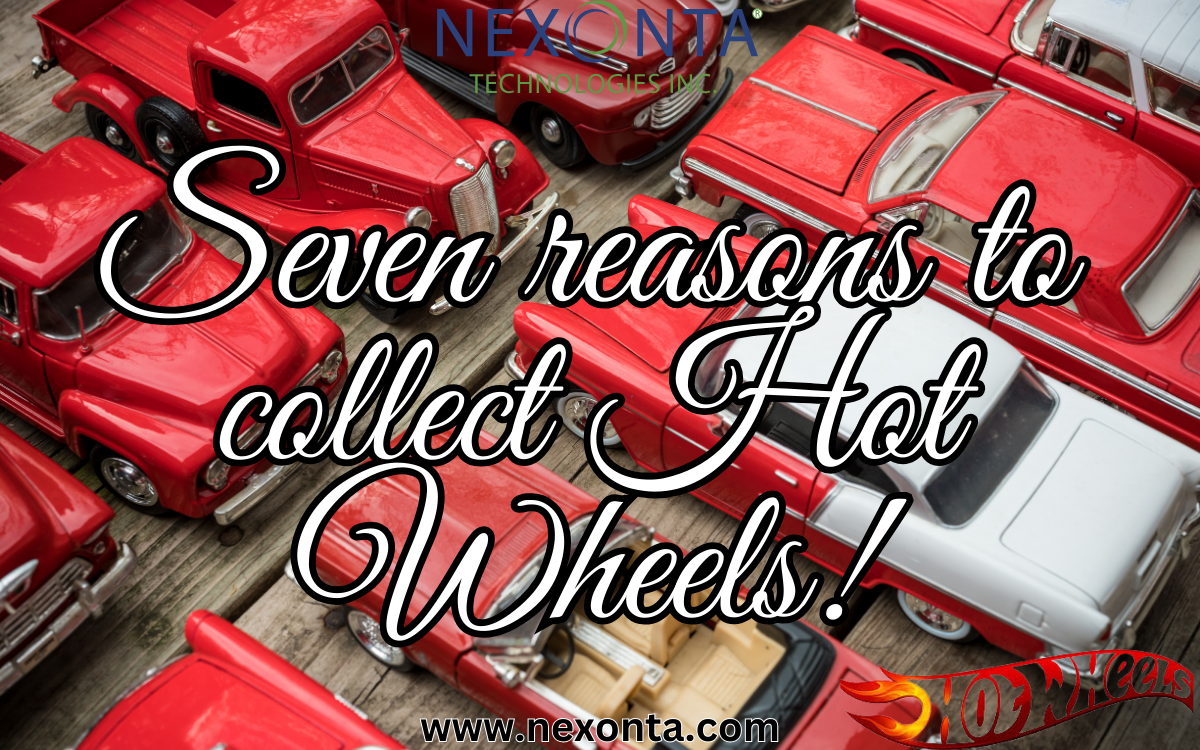
  • Seven Reasons Why It Is More Practical to Collect and Maintain Hot Wheels as Opposed to a Real Automobile Collection

    Seven Reasons Why It Is More Practical to Collect and Maintain Hot Wheels as Opposed to a Real Automobile Collection

    There’s something universally thrilling about car collections. The smell of the leather seats, the hum of the engine, and that irresistible shine when the sun hits just right. But let’s face it: not all of us have the space, money, or time for a garage full of vintage Ferraris or souped-up Mustangs. That’s where Hot Wheels come to the rescue! Here are seven reasons why collecting Hot Wheels is far more practical (and just as exciting) as owning real cars.

    1. Cost-Efficient Dream Garage

    Real cars are expensive—period. From buying to maintaining, the costs add up faster than you can say “engine overhaul.” Hot Wheels, on the other hand, cost a fraction of the price. You can have a ‘69 Camaro SS, a Lamborghini, and a Bugatti in your collection without breaking the bank. Imagine a dream garage for less than a takeout meal!

    2. No Space, No Problem

    A car collection demands some serious square footage. We’re talking garages, climate-controlled storage, and even extra insurance coverage. But your Hot Wheels? You can fit hundreds of them on a bookshelf or in a neatly organized display case. Apartment dwellers, rejoice! Your tiny studio can now house a fleet of rare cars without a single parking issue.

    3. Zero Maintenance

    Real cars require constant attention—oil changes, tire rotations, engine tune-ups, and let’s not forget detailing. With Hot Wheels, you’ll never have to worry about your “car” breaking down. No more worrying about a dead battery or flat tires; your collection is as low-maintenance as it gets. Dust them off once in a while, and they’ll stay in mint condition for years!

    4. No Insurance Hassles

    Owning a fleet of luxury or classic cars comes with hefty insurance premiums. The cost of insuring a single vintage car could fund an entire Hot Wheels collection several times over. Plus, Hot Wheels are immune to fender benders and accidents, so you’ll never have to deal with the drama of filing an insurance claim!

    5. Unlimited Variety and Customization

    While owning a real Ferrari might be a distant dream, in the world of Hot Wheels, it’s only one of many options. From muscle cars to hypercars, trucks, and even fantasy designs, there’s no limit to the variety you can collect. And if you’re feeling creative, customizing a Hot Wheels car is a fun and low-stakes project compared to modifying a full-sized vehicle.

    6. Instant Gratification

    In the world of real car collecting, acquiring that rare, dream vehicle can take years of hunting, negotiations, and planning. With Hot Wheels, you can walk into a store and buy a limited-edition car on the spot. There’s no waiting list or lengthy restoration process. It’s instant gratification in the form of die-cast metal.

    7. A Community of Like-Minded Collectors

    One of the most rewarding aspects of any collection is the community that comes with it, and Hot Wheels collectors are no exception. There are clubs, conventions, and online groups dedicated to these miniature cars. The best part? You can bond over your collections without feeling the pressure of competing with someone who has a million-dollar Bugatti.

    Final Thoughts
    While real cars are undeniably cool, Hot Wheels offer the same excitement with none of the headaches. Whether you’re short on space, funds, or time, a Hot Wheels collection allows you to indulge your passion for cars without the high price tag and maintenance. And let’s be honest—who doesn’t love the idea of owning hundreds of cars, even if they fit in the palm of your hand?

  • The Power of Showing Up in Life and in Business

    The Power of Showing Up in Life and in Business

    Introduction:
    In a world full of distractions, commitments, and endless to-do lists, simply showing up—whether it’s for yourself, your career, or your relationships—is often the hardest part. But showing up consistently is what separates the dreamers from the achievers. In life and business, those who make it to the top don’t always have the best ideas or the most talent; they just keep showing up, day after day, until they get there.

    1. Showing Up is Half the Battle
    You’ve probably heard the saying, “80% of success is showing up.” This couldn’t be truer. Whether it’s in your personal life, a meeting, or a business venture, being present opens up opportunities. Often, the simple act of being there—when others aren’t—can make all the difference. It’s about being willing to take the first step, even when you’re unsure of what the outcome will be.

    2. Consistency Over Perfection
    You don’t need to be perfect every time you show up, but you do need to be consistent. Success is rarely a straight line, and showing up consistently allows you to navigate the ups and downs. In business, it’s the entrepreneurs who consistently knock on doors, follow up on leads, and show up for their clients who win in the long run. In life, it’s about nurturing relationships, showing up for loved ones, and being there even when things are tough.

    3. Building Trust and Credibility
    Whether it’s in a relationship or with your customers, people need to trust that you’ll show up. Your presence alone communicates reliability and integrity. When you consistently deliver, even in small ways, you build trust. And trust is the foundation of any successful relationship, be it personal or professional.

    4. Embracing Opportunities
    When you show up, you create opportunities. It’s easy to think that success is a matter of talent or timing, but the truth is, it’s often about being there at the right moment. The person who’s willing to attend the networking event, take the call, or respond to the email often finds themselves in the right place at the right time.

    5. The Psychological Power of Showing Up
    Showing up isn’t just about being physically present; it’s a mindset. When you commit to showing up—no matter what—you mentally prepare yourself for success. You tell your brain, “I’m ready to engage,” which sets the stage for creativity, problem-solving, and resilience. This is especially true in business, where mental toughness and adaptability often distinguish successful leaders from the rest.

    Conclusion:
    Success in life and business is often less about the grand gestures and more about the small, consistent actions—like showing up. The power of being present, of engaging with the process, and of consistently doing the work can lead to extraordinary results. Remember, it’s not always about being the best or the smartest, but about being the one who’s there, ready to seize the moment.

☎ ✉
f 𝕏