Author: Dianna Cassidy

  • Back to the Drawing Board: Why the Future of Marketing Needs Both AI and Human Creativity

    Back to the Drawing Board: Why the Future of Marketing Needs Both AI and Human Creativity

    AI marketing and human creativity are bringing marketing back to an interesting place. After what has felt like a roller coaster ride in the SEO and digital marketing space over the past several years, things may finally be starting to settle down. And that could be a good thing for small businesses.

    We have watched SEO change. We have watched social media change. Then came generative AI, and suddenly the rules seemed to change all over again.

    But perhaps we are looking at it the wrong way.

    The future of marketing probably isn’t about choosing between artificial intelligence and human creativity.

    It is about learning how to use both.

    The Marketing World Has Changed — Again

    If you have been running a small business for any length of time, you have probably seen your share of marketing trends come and go.

    There was a time when simply having a website was enough to stand out.

    Then businesses had to focus on keywords, backlinks and search rankings.

    Then came social media.

    Then mobile marketing.

    Then content marketing.

    And now, we are deep into the age of generative AI.

    Every time something new comes along, businesses are told they need to adapt immediately or risk being left behind.

    No wonder it feels like we are back to the drawing board.

    But this time, there is an important difference.

    We are beginning to understand that AI is not the entire marketing strategy.

    It is a tool.

    And like any tool, its value depends on how you use it.

    AI Is Powerful. But It Doesn’t Know Your Business Like You Do.

    Generative AI can do some incredible things.

    It can help brainstorm ideas. It can analyze information. It can speed up research. It can help create content and identify patterns that might otherwise take hours to uncover.

    For a small business owner, that can be incredibly valuable.

    Time is one of your most limited resources.

    If AI can help you get from an idea to a first draft faster, why wouldn’t you use it?

    But there is something AI cannot replace.

    You know your business.

    You know why you started it.

    You know your customers.

    You understand their frustrations, questions and concerns.

    You know the conversations you have every day with real people.

    That experience is what gives your marketing meaning.

    AI can help you put words around an idea.

    But the idea still needs to come from somewhere.

    Your Brand Still Needs a Human Voice

    This is where things get interesting.

    Marketing is often the first point of contact between your business and a potential customer.

    Before someone calls you, walks through your door or books a meeting, they may see your website, read a blog post, find you on Google or come across one of your social media posts.

    That first impression matters.

    If your message is confusing, generic or ambiguous, you may lose the opportunity to connect with the right person.

    And this is where human creativity becomes incredibly important.

    Your customers don’t want to feel like they are reading something that was simply generated for the sake of producing content.

    They want to understand you.

    They want to know what you offer.

    They want to know whether you understand their problem.

    Most importantly, they want a reason to trust you.

    That connection comes from clear, authentic communication.

    Clear Messaging Has Always Mattered

    AI may be changing how we create content, but it hasn’t changed why we create it.

    The goal of marketing is still communication.

    You have something valuable to offer.

    There is someone who needs it.

    Your marketing needs to create the bridge between the two.

    That sounds simple.

    It isn’t always.

    Many small businesses know their products and services inside and out. But because they are so close to their business, explaining what they do in a simple and compelling way can be surprisingly difficult.

    This is where a good marketing strategy makes a difference.

    Before worrying about how much content you should create, how many keywords you need or which AI tool you should use, start with a more basic question:

    What do you want your ideal customer to understand about your business?

    That answer should guide everything else.

    SEO Is Changing, But Relevance Still Matters

    The SEO landscape has certainly changed.

    Search engines are becoming more sophisticated. AI is changing how people search for information. Search results are becoming more conversational and more focused on understanding intent.

    But one thing has not changed.

    People still need useful information.

    They still have questions.

    They still want answers they can understand.

    And they still want to find businesses they can trust.

    That means businesses shouldn’t create content simply because an AI tool can produce it quickly.

    Create content because you have something useful to say.

    Answer the questions your customers are actually asking.

    Explain complicated things in simple language.

    Share your experience.

    Give people a reason to remember your business.

    That is where SEO and human creativity can work together.

    Think of AI as Your Marketing Assistant

    Perhaps one of the easiest ways to think about generative AI is this:

    Don’t make AI your marketing department. Make it part of your marketing team.

    AI can help you research topics.

    It can help you organize ideas.

    It can identify content opportunities.

    It can help turn rough notes into a starting point.

    It can even help you look at your existing content from a different perspective.

    But your experience, opinions, personality and understanding of your customers should remain at the centre of your marketing.

    That’s the balance.

    AI supports human creativity.

    It doesn’t have to replace it.

    The Small Businesses That Get This Right Will Stand Out

    As AI-generated content becomes more common, genuinely useful and authentic content may become even more valuable.

    Think about it.

    If everyone has access to the same technology, the technology itself stops being the competitive advantage.

    How you use it becomes the advantage.

    Your story.

    Your expertise.

    Your perspective.

    Your customer knowledge.

    Your ability to explain something differently.

    These are the things that can make your business stand out.

    And for small businesses, this is actually good news.

    You don’t need to outspend the biggest companies.

    You don’t need a massive marketing department.

    You need to know who you are talking to, understand what they need and communicate your value clearly.

    AI can help you do that faster.

    But the human part still needs to come from you.

    Maybe We Are Not Starting Over After All

    So, are we really back to the drawing board?

    Maybe.

    But perhaps it is less about starting over and more about finding the right balance.

    The last few years have taught us that marketing is constantly evolving.

    SEO will continue to change.

    AI will continue to develop.

    New platforms will come and go.

    But the fundamentals of good marketing remain remarkably consistent.

    Know your audience.

    Understand their needs.

    Communicate clearly.

    Provide value.

    Build trust.

    Be human.

    The technology may change.

    The connection doesn’t.

    The Bottom Line

    For small business owners, the next chapter of digital marketing doesn’t have to be intimidating.

    You don’t need to choose between AI and human creativity.

    You need both.

    Use AI to save time, explore ideas and support your marketing efforts.

    Then bring your own experience, knowledge and personality into the process.

    Because the businesses that will stand out won’t necessarily be the ones using the most AI.

    They will be the ones using technology **without losing the human connection that makes their brand worth remembering.**

    Ready to Rethink Your Marketing?

    If your website and marketing aren’t clearly communicating what makes your business different, now is a great time to take another look.

    Start with your message.

    Ask yourself: If someone discovered my business today, would they immediately understand who I help, what I offer and why they should choose me?

    If the answer isn’t a confident yes, it may be time to go back to the drawing board.

    Let’s build a marketing strategy that combines smart technology with real human creativity — and turns your message into something your ideal customers can actually connect with.
  • AI and the Future of Business: Why Humans Still Matter

    AI and the Future of Business: Why Humans Still Matter

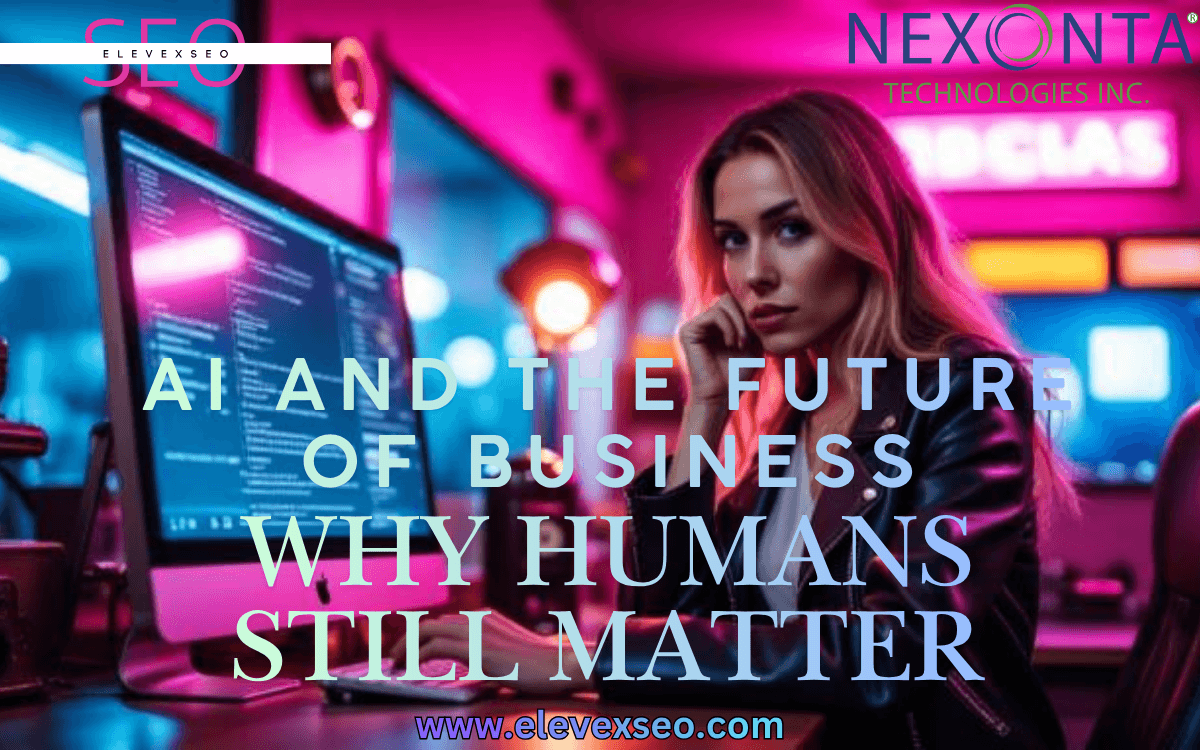
    AI and the future of business are closely connected. But if there is one thing we have learned over the past few years, it is that building the future is not as simple as plugging AI into every part of a business and expecting everything to run better.

    In some ways, writing a book is a lot like restoring a vintage car.

    You find an old car with incredible potential. You can see what it could become. But then the real work begins.

    You start chasing down parts.

    Some parts are easy to find. Others take weeks, months, or even years. Some have to be restored. Others need to be replaced completely. And sometimes, the part you thought would solve everything turns out not to fit at all.

    Writing a book can feel exactly the same.

    You have an idea. You have a vision. You know there is something worth building.

    But getting from the original idea to the finished product takes time, patience, research, creativity, and a lot of pieces coming together.

    And that is not all that different from what we have seen happening with artificial intelligence.

    The AI Rush

    Over the past several years, we have watched companies of all sizes rush to bring AI into their everyday operations.

    The goal made perfect sense.

    Work faster. Reduce costs. Automate repetitive tasks. Improve efficiency. Make better decisions.

    Billions of dollars have been invested into AI systems, software, infrastructure, and custom solutions designed to help businesses operate more efficiently.

    And there is no question that AI can be incredibly powerful.

    But then something interesting started to happen.

    Some companies discovered that building a completely customized AI operating system for their organization was not the simple solution they expected.

    The technology was moving too quickly.

    The costs could be enormous.

    And in some cases, the systems being built did not deliver the return companies had hoped for.

    That does not mean AI failed.

    Far from it.

    It may simply mean we are still in the early stages of understanding what AI is really going to become.

    We’ve Seen This Before

    If that sounds familiar, there is a reason.

    Think back to the late 1990s and early 2000s.

    The internet was changing everything.

    Companies knew it was going to be important. Investors knew it was going to be important. Consumers were beginning to understand that the internet was going to change the way we lived and worked.

    The excitement was enormous.

    So was the investment.

    Then came the dot-com crash.

    Many companies disappeared. Billions of dollars were lost. Businesses that looked unstoppable suddenly weren’t.

    It would have been easy to look at the situation and conclude that the internet had been overhyped.

    But that wasn’t what happened.

    The internet kept growing.

    The technology improved. Businesses learned how to use it. Consumers became more comfortable with it.

    And eventually, the internet became something we could hardly imagine living without.

    AI may follow a similar path.

    AI Isn’t Going Away

    The current AI boom may eventually go through a period of correction.

    Some companies will fail.

    Some investments will not work out.

    Some AI projects will be abandoned.

    And some of the ideas that seem revolutionary today may not be around five years from now.

    That is part of how technology evolves.

    But that does not mean AI is going away.

    Over the next five to seven years, we may see a significant transition in the way businesses use AI.

    Instead of trying to make AI responsible for everything, companies may become much more selective.

    They will figure out where AI actually creates value.

    They will use it where it makes sense.

    And they will leave the things that require human judgment, creativity, relationships, and emotional intelligence to people.

    That could ultimately be a much better model.

    The Human Element Cannot Be Automated

    This is where things get really interesting.

    AI can help you write.

    It can help you research.

    It can analyze enormous amounts of information in seconds.

    It can identify patterns humans might miss.

    It can automate repetitive work.

    But AI does not replace the person behind the idea.

    Think about writing a book.

    AI can help you organize your thoughts. It can help you research a topic. It can help you rewrite a paragraph or find a better way to explain something.

    But it doesn’t have your memories.

    It doesn’t have the experiences that shaped you.

    It doesn’t know why a particular story matters to you.

    It doesn’t have the personal connection behind the words.

    Those things come from you.

    And that is what makes the finished work yours.

    Technology Is the Tool. Humans Are the Builders.

    This may be one of the most important lessons we can take from the current AI revolution.

    We should not be asking whether AI can replace humans.

    We should be asking how humans can use AI to become better at what they already do.

    That is a very different question.

    A carpenter doesn’t become less important because power tools exist.

    A photographer doesn’t become less creative because editing software exists.

    And a writer doesn’t become less valuable because AI can help with words.

    The tools have changed.

    The human still creates the vision.

    Back to That Vintage Car

    Let’s go back to the vintage car for a moment.

    Imagine finding a classic car sitting in a garage.

    The engine needs work.

    The paint is faded.

    The interior needs to be rebuilt.

    Some parts are missing.

    You could walk away because the project looks too difficult.

    Or you could start restoring it one piece at a time.

    That is what building something meaningful often looks like.

    Whether you’re writing a book, building a business, developing a new product, or figuring out how to use AI, there will always be pieces that don’t fit perfectly the first time.

    You adjust.

    You learn.

    You find another part.

    You try again.

    Eventually, something starts to take shape.

    The People Who Stick With It Will Benefit

    The next five to seven years could be an important period for AI.

    There will likely be plenty of hype.

    There will also be failures.

    There will be companies that spend too much, build the wrong systems, or move too quickly.

    But there will also be companies that learn.

    They will experiment.

    They will find practical ways to use AI.

    They will keep the human element at the centre of their business.

    And over time, those companies may be the ones that benefit most from the technology.

    We saw something similar happen with the internet.

    The companies that survived the early chaos learned how to use the technology rather than simply chase the hype.

    AI may require the same kind of patience.

    We Don’t Need to Fear the Future

    Technology has always changed the way we work.

    The printing press changed publishing.

    The automobile changed transportation.

    The telephone changed communication.

    The internet changed almost everything.

    AI will change things too.

    The question isn’t whether change is coming.

    It’s how we choose to respond to it.

    We can chase every new trend.

    Or we can slow down, learn, experiment, and figure out where these tools genuinely make our lives and businesses better.

    That may be the smarter approach.

    Because the future of AI isn’t really about humans versus machines.

    It’s about what happens when humans and technology work together.

    And just like restoring a vintage car, the finished product may take longer than we expected.

    But that doesn’t mean the project isn’t worth doing.

    Sometimes the best things are built one part at a time.

    Ready to Explore What AI Can Actually Do for Your Business?

    Don’t get caught up in the hype.

    Start by looking at where AI can genuinely help your business save time, improve efficiency, and make better use of the resources you already have.

    Start exploring practical AI solutions today and discover where AI can work alongside your team — not replace it.

  • More Than a Miniature Toy: Why Hot Wheels Still Matter

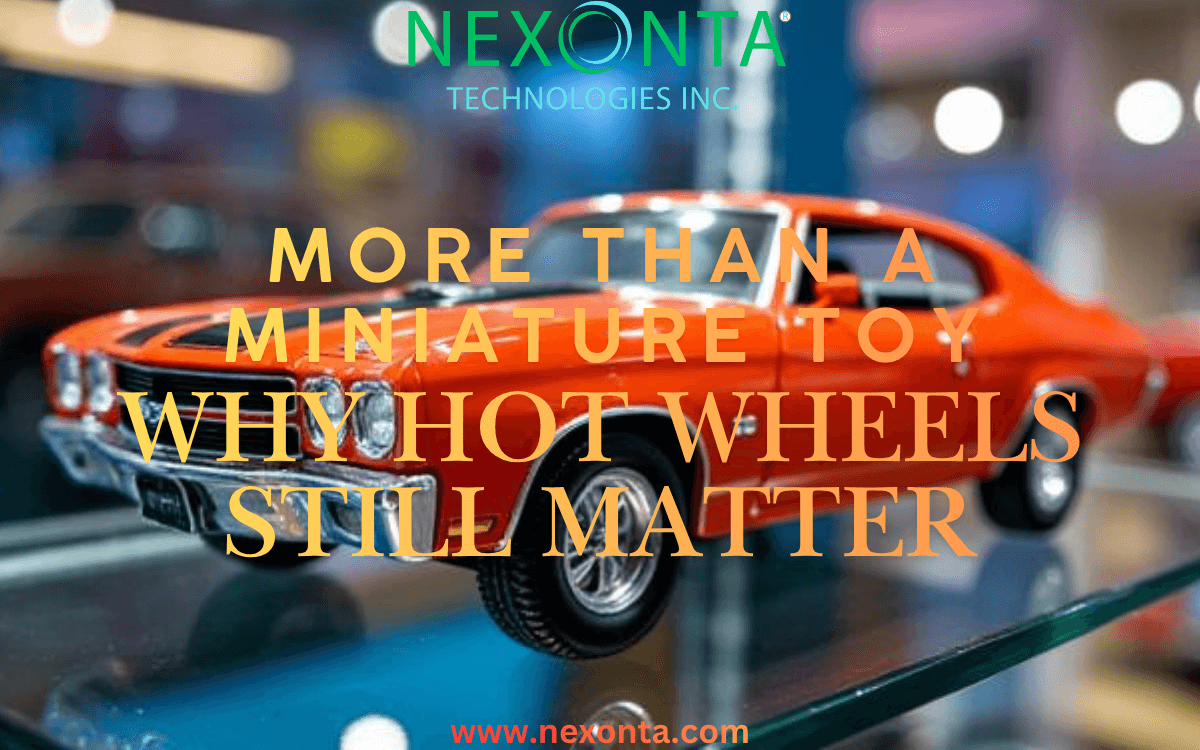
    More Than a Miniature Toy: Why Hot Wheels Still Matter

    When people think about Hot Wheels memories, they usually think about colorful little cars racing across the living room floor. They remember birthday gifts, trips to the toy store, and hours spent building imaginary roads and racetracks. Those memories stay with us for a reason. Hot Wheels are much more than miniature toy cars. They are a piece of childhood that never really leaves.

    For the past four years, DeeMoney and I have been collecting Hot Wheels. What started as a fun hobby quickly became something much bigger. Today, we’ve built a collection that we’re incredibly proud of. Every car tells a story. Some remind us of cars we grew up with. Others bring back memories of a favorite movie, a dream car, or a special moment in life.

    But here’s the interesting part.

    As much as we enjoy collecting them, one of our favorite things is actually giving them away.

    A Small Gift That Creates a Big Smile

    There is something special about handing someone a Hot Wheels car.

    At first, they usually smile because it’s unexpected. Then they look a little closer. Suddenly, they’re telling stories.

    “I had this one when I was a kid.”

    “My brother and I used to race these.”

    “My dad bought me one every time we went shopping.”

    It’s amazing how one little die-cast car can unlock memories that have been tucked away for years.

    That’s the magic of Hot Wheels.

    You’re not just giving someone a toy.

    You’re giving them a piece of their childhood back.

    A Toy Almost Everyone Remembers

    If you grew up in North America, there’s a good chance you’ve owned at least one Hot Wheels car.

    It didn’t matter if you had one or one hundred.

    That tiny car brought hours of fun.

    You didn’t need expensive batteries.

    You didn’t need an instruction manual.

    All you needed was your imagination.

    A kitchen floor became a racetrack.

    A stack of books became a mountain road.

    The couch became the finish line.

    For many of us, those simple moments became some of our happiest childhood memories.

    The Best Dollar You Could Spend

    Looking back, it’s hard to think of another toy that delivered so much value.

    Back then, a Hot Wheels car cost less than a dollar.

    For that small price, a child could spend hours creating adventures.

    One car was enough.

    Of course, many of us wanted more, but even a single Hot Wheels car could spark endless imagination.

    There was never any buyer’s remorse.

    There was only excitement.

    That’s one of the reasons Hot Wheels has remained one of the world’s most loved toys for generations.

    More Than a Collection

    People sometimes ask why we collect Hot Wheels.

    The answer is simple.

    Yes, we appreciate the designs.

    Yes, we enjoy finding rare models.

    And yes, it’s exciting to add something new to the collection.

    But that’s only part of the story.

    Every car represents a memory.

    Every car reminds us that happiness doesn’t always come from something expensive.

    Sometimes it comes from something small that meant everything when we were kids.

    Why We Love Sharing Them

    The older we get, the more we realize that memories are some of life’s greatest treasures.

    That’s why DeeMoney and I love gifting Hot Wheels whenever we can.

    Watching someone smile as they recognize a familiar model is worth far more than the value of the car itself.

    For a brief moment, they’re a kid again.

    They remember simpler days.

    And that’s a gift that’s hard to put a price on.

    Childhood Never Really Leaves Us

    Hot Wheels have entertained generations for nearly sixty years.

    That’s an incredible achievement.

    Very few toys have stood the test of time the way Hot Wheels has.

    Maybe that’s because they were never just about cars.

    They were about imagination.

    Adventure.

    Dreams.

    And the freedom to create your own world.

    Those are things we never truly outgrow.

    Final Thoughts

    To many people, a Hot Wheels car is just a miniature toy.

    To us, it’s much more than that.

    It’s a conversation starter.

    It’s a connection between generations.

    It’s a reminder of happy times.

    And sometimes, it’s the smallest gift that creates the biggest smile.

    Ready to Share a Memory?

    The next time you’re in a store, pick up a Hot Wheels car for someone you care about.

    It doesn’t have to be rare.

    It doesn’t have to be expensive.

    Just choose one that reminds you of them.

    You might be surprised by the smile it brings and the stories that follow.

    After all, sometimes the best gifts aren’t the biggest ones.

    They’re the ones that bring childhood back, one little car at a time.

  • AI Lead Generation Tools Are Powerful, But They Cannot Replace Human Connection

    AI Lead Generation Tools Are Powerful, But They Cannot Replace Human Connection

    AI lead generation tools have changed the way businesses find and connect with potential customers. Over the past several months, we have been researching the best lead generation tools available and testing what actually works in today’s competitive digital marketing environment.

    What we discovered was interesting.

    The most successful businesses are not simply the ones using the latest AI tools. They are the ones combining technology with a strong online presence, authentic messaging, and real human connection.

    Because at the end of the day, people still want to do business with people.

    The Rise of AI Lead Generation Tools

    There is no question that AI has transformed the way companies approach lead generation.

    Today’s AI lead generation tools can help businesses:

    Identify potential customers
    Automate outreach campaigns
    Analyze customer behaviour
    Improve follow-up processes
    Save valuable time

    For businesses trying to grow, these tools can be incredibly valuable.

    But there is something important many companies overlook.

    AI can amplify your marketing.

    It cannot fix your marketing foundation.

    The Best AI Tools Are Only As Strong As Your Online Presence

    One of the biggest lessons we discovered during our research was this:

    AI lead generation tools are only as effective as the brand behind them.

    Think about it.

    If someone receives an automated message from your company, what happens next?

    They will likely search for your website.

    They may look at your social media profiles.

    They will decide whether your company feels trustworthy and professional.

    If your online presence does not clearly communicate who you are, what you offer, and why someone should choose you, even the most advanced AI outreach platform will struggle.

    AI can start the conversation.

    But your brand has to earn the relationship.

    AI Outreach Is Still Just Another Form of Awareness

    Many businesses believe AI outreach is the complete answer to generating leads.

    It is not.

    AI outreach is another way to create awareness.

    Just like:

    Search engine optimization
    Social media marketing
    Email marketing
    Advertising campaigns
    Networking

    The goal is the same.

    Get the right message in front of the right people.

    But awareness alone does not create customers.

    Trust does.

    A prospect may discover your company through an AI-powered message, but they will become a customer because they believe in your expertise, your values, and your ability to solve their problem.

    The Return of Human Messaging

    One trend we have noticed is a renewed focus on authentic human communication.

    Businesses are realizing that more automation does not always mean better results.

    People are becoming increasingly aware of generic messages.

    They can tell when an email or message feels robotic.

    They can tell when a company is simply trying to make a sale.

    The businesses standing out today are the ones creating genuine conversations.

    They are using AI to support their marketing, not replace their personality.

    People Still Want To Deal With People

    Technology continues to evolve.

    Marketing continues to change.

    But one thing remains the same:

    People want to work with companies they trust.

    They want to know there are real people behind the brand.

    They want businesses that understand their challenges and provide real solutions.

    The companies that succeed will be the ones that balance technology with authenticity.

    Use AI to become more efficient.

    Use automation to save time.

    But never lose the human element that makes your business unique.

    The Future of Lead Generation Is Human + AI

    The future of marketing is not about choosing between AI and human connection.

    It is about combining both.

    The best businesses will use AI lead generation tools to improve their processes while continuing to focus on:

    Building a strong online reputation
    Creating valuable content
    Developing meaningful relationships
    Communicating clearly
    Delivering exceptional customer experiences

    AI can open the door.

    But your brand is what convinces people to walk through it.

    Ready to Improve Your Lead Generation Strategy?

    At Nexonta Technologies, we help businesses build the digital foundation they need to succeed in today’s AI-driven marketing world.

    From website design and SEO to AI-powered marketing solutions, we focus on creating strategies that connect technology with real human results.

    Don’t just automate your outreach. Build a marketing system that builds trust.

    Contact Nexonta Technologies today and discover how we can help you create a stronger online presence and generate better-quality leads.

  • If You Could Start Over From Scratch, What Would You Do Differently?

    If You Could Start Over From Scratch, What Would You Do Differently?

    There is something powerful about the idea of being able to start over from scratch. Most of us have thought about it at least once. We imagine leaving behind old mistakes, missed opportunities, and the baggage we’ve collected over the years. The question is, if you really had that chance, what would you do differently?

    Recently, while writing two books—one for work and the other a deeply personal project—I found myself asking that exact question.

    Not as a fantasy.

    As an honest conversation with myself.

    The more I wrote, the more I realized something surprising.

    I don’t need to go back in time.

    I simply need to make better choices moving forward.

    Looking Back Without Living There

    Experience is a funny thing.

    When we’re young, we want all the answers. As we get older, we realize the answers often come from making mistakes.

    Every success.

    Every setback.

    Every wrong turn.

    Every difficult conversation.

    They all teach us something.

    The problem is that many people carry those lessons like heavy luggage instead of using them as a map.

    Looking back is valuable.

    Living there isn’t.

    What I Would Do Differently

    Knowing what I know today, there are a few things I would absolutely change.

    I would be far more deliberate with my decisions.

    I would spend less time waiting for the “perfect” moment.

    I would stop worrying so much about making mistakes.

    For years, many of us have been taught that mistakes are failures.

    They’re not.

    Mistakes are simply part of the tuition we pay for growth.

    The people who move forward aren’t the ones who avoid mistakes.

    They’re the ones who keep making decisions and learning from them.

    The Universe Rewards Decisiveness

    One lesson has become clearer to me than ever.

    The universe seems to reward people who make decisions.

    Not every decision will be the right one.

    But indecision almost always keeps you standing still.

    Think about it this way.

    Imagine someone offers you two pills.

    A green one.

    Or a blue one.

    Neither comes with a guarantee.

    You don’t know which path is better.

    But choosing one at least moves your story forward.

    Standing there forever trying to make the perfect choice gets you nowhere.

    Progress usually belongs to people who are willing to act.

    Reinventing Yourself Is Always an Option

    One of the biggest myths we tell ourselves is that it’s too late.

    Too late to change careers.

    Too late to improve our health.

    Too late to repair relationships.

    Too late to write a book.

    Too late to chase a dream.

    The truth is much simpler.

    As long as you’re here, you can reinvent yourself.

    Every morning is a fresh opportunity.

    Every decision is a chance to become a newer, wiser version of yourself.

    You don’t have to become a completely different person overnight.

    Small, consistent changes create remarkable results over time.

    Adjust the Sails, Not the Destination

    Life doesn’t always go according to plan.

    Unexpected challenges appear.

    People disappoint us.

    Dreams evolve.

    That’s normal.

    A sailor can’t control the wind.

    But they can always adjust the sails.

    Life works the same way.

    You may not control everything that happens to you.

    You always control how you respond.

    Sometimes changing your direction is exactly what moves you closer to where you’re meant to be.

    Your Next Chapter Starts Today

    You don’t need permission to begin again.

    You don’t need to erase your past.

    You don’t need perfect timing.

    All you need is the willingness to make one decision that your future self will thank you for.

    Your past has given you experience.

    Your future is waiting for action.

    If you could truly start over from scratch, what would you do differently?

    Now ask yourself an even better question.

    Why wait?

    Your next chapter can begin today.


    Final Thoughts

    Life rarely gives us the chance to rewrite the beginning.

    But every single day gives us the opportunity to write a better ending.

    The experiences you’ve had weren’t wasted.

    They prepared you for what’s next.

    Take what you’ve learned.

    Let go of what no longer serves you.

    Adjust your sails.

    Choose your direction.

    Then move forward with confidence.

    The best version of your life may still be ahead of you.

  • Unpacking Huey: How Hot Wheels Shaped My Childhood

    Unpacking Huey: How Hot Wheels Shaped My Childhood

    Sometimes the biggest influences in our lives come in the smallest packages.

    As I continue writing Unpacking Huey, I’ve found myself looking back at my childhood with a whole new perspective. It’s amazing what you notice when you slow down and reflect. One memory that keeps coming back is Hot Wheels. At the time, they were simply toy cars. Today, I realize they were much more than that.

    They became part of my family’s story.

    A Dollar Could Buy a World of Adventure

    Back in the early 1980s, a single Hot Wheels car cost between 69 and 79 cents (USD).

    Think about that for a moment.

    For less than a dollar, I could spend hours creating races, building imaginary cities, and dreaming up adventures. One small car opened the door to endless possibilities.

    It also made life a little easier for my mom.

    She knew she could make her young son incredibly happy without spending much money. Looking back, I imagine she probably thought it was one of the best investments she could make. For just a few coins, she bought something that sparked my imagination for days.

    As kids, we don’t think about those things.

    As adults, we finally do.

    My Mom’s Quiet Strength

    Life wasn’t easy for my mother.

    She was raising two young boys on her own while putting herself through university. That couldn’t have been easy. There were bills to pay, groceries to buy, homework to finish, and two energetic kids to keep entertained.

    Yet somehow, she always found a way to make us feel loved.

    She never made us feel like we were missing out.

    That is something I appreciate now more than ever.

    Friday Was Family Day

    Every Friday had its own rhythm.

    We would pile into our green Dodge Duster and head off to Food City and K-Mart to pick up groceries and everything we needed for the week ahead.

    Once the shopping was done, it was time for our reward.

    Sometimes it was McDonald’s.

    Sometimes it was KFC.

    Other times it was whatever sounded good that day.

    It wasn’t about where we ate.

    It was about being together.

    Those Friday nights became part of our family’s tradition. Looking back, I realize they gave us something much more valuable than dinner.

    They gave us memories.

    More Than Toy Cars

    Somewhere along the way, Hot Wheels became part of that tradition.

    Maybe it was one car.

    Sometimes two.

    Nothing extravagant.

    Just enough to light up a little boy’s face.

    I don’t think my mom realized she was doing anything extraordinary.

    She was simply trying to make her children happy while stretching every dollar she had.

    But those tiny cars taught me something that stayed with me for life.

    They encouraged creativity.

    They sparked curiosity.

    They fueled imagination.

    They reminded me that happiness doesn’t always come from expensive things.

    Sometimes it comes from the people you’re with and the memories you’re making together.

    Looking Back Changes Everything

    When you’re living through childhood, you rarely understand what’s happening around you.

    You don’t see the sacrifices.

    You don’t notice the stress.

    You don’t understand how hard your parents are working just to give you a normal life.

    Years later, the picture becomes much clearer.

    As I write Unpacking Huey, I’ve started connecting pieces of my childhood that never seemed connected before.

    Hot Wheels weren’t just toys.

    They became symbols of love.

    They represented hope during difficult times.

    And every time I see one today, I’m reminded of a hardworking mother who did everything she could to give her boys a happy childhood.

    Sometimes the smallest memories leave the biggest footprints.

    Final Thoughts

    Life has a funny way of revealing its lessons years after they happen.

    What seemed like an ordinary trip to the store became one of the defining memories of my childhood. A green Dodge Duster. Friday grocery runs. Takeout dinners. A brand-new Hot Wheels car.

    Individually, they were simple moments.

    Together, they became the foundation of memories I’ll always treasure.

    That’s one of the beautiful things about looking back.

    You don’t just remember what happened.

    You finally understand why it mattered.

    What simple childhood memory still makes you smile today?

    Was it a favorite toy, a family tradition, or a weekly outing that seemed ordinary at the time but means everything now?

    I’d love to hear your story. Leave a comment below and share one memory that shaped who you are. And if this excerpt from Unpacking Huey brought back a few memories of your own, be sure to subscribe for future excerpts as I continue sharing the journey from my childhood to where life has taken me today.

  • Why Strong Relationships May Be the Real Secret to a Long, Happy Life

    Why Strong Relationships May Be the Real Secret to a Long, Happy Life

    We spend so much time chasing success. We work longer hours. We try to earn more money. We look for the next promotion or achievement, believing that once we get there, life will somehow feel more complete.

    But what if we’ve been focusing on the wrong things?

    A Harvard Study on Happiness that has followed people for nearly 87 years reached a surprisingly simple conclusion. The biggest predictor of a long, happy, and healthy life isn’t wealth, career success, or social status. It’s the quality of your relationships.

    That finding is both refreshing and encouraging. It reminds us that the things that matter most aren’t things at all.

    Nearly Nine Decades of Research

    The Harvard Study of Adult Development is one of the longest-running studies ever conducted on human happiness and well-being.

    Researchers followed participants through almost every stage of life. They looked at careers, income, education, health, marriage, friendships, and family relationships.

    The result was remarkably consistent.

    People with strong, meaningful relationships were generally happier, healthier, and lived longer than those who were socially isolated.

    Money certainly made life more comfortable. Career success brought opportunities. But neither proved to be the deciding factor when it came to long-term happiness or longevity.

    Instead, close personal connections stood above everything else.

    Success Doesn’t Replace Human Connection

    Modern life often sends us a different message.

    We’re encouraged to:

    Work harder.
    Earn more.
    Stay busy.
    Build our personal brand.
    Keep climbing.

    There’s nothing wrong with ambition. Setting goals and working toward them can be incredibly rewarding.

    But if success comes at the expense of the people who matter most, we may be giving up something far more valuable.

    The Harvard research reminds us that our happiest memories rarely involve a bigger paycheck.

    They usually involve family dinners.

    Good friends.

    Shared laughter.

    Helping someone.

    Being there when someone needs us.

    Those moments are what stay with us.

    We May Finally Be Turning a Corner

    There are encouraging signs that society is beginning to rethink what success really means.

    People are placing greater value on:

    Mental wellness
    Family time
    Community
    Work-life balance
    Genuine friendships
    Personal health

    Instead of asking, “How much can I earn?”

    Many people are now asking, “How well am I living?”

    That shift may be one of the healthiest changes we’ve seen in years.

    Businesses Can Learn From This Too

    This research isn’t just valuable for individuals.

    It’s equally important for businesses.

    For years, marketing has become increasingly focused on data.

    Companies track demographics.

    Age groups.

    Income brackets.

    Website clicks.

    Conversion rates.

    Analytics are useful. They help businesses make informed decisions.

    But numbers alone don’t build trust.

    People do.

    Customers don’t want to feel like another statistic in a spreadsheet.

    They want to feel heard.

    They want honest communication.

    They appreciate businesses that remember their name, answer their questions, and genuinely care about solving their problems.

    The companies that create lasting relationships often earn something far more valuable than a single sale.

    They earn loyalty.

    People Buy From People They Trust

    Think about the businesses you recommend to friends.

    It’s probably not because they had the lowest price.

    It’s because they treated you well.

    Maybe they answered your questions patiently.

    Maybe they followed up after the sale.

    Maybe they simply made you feel valued.

    Those experiences create emotional connections.

    And emotional connections create long-term customers.

    Technology and artificial intelligence can certainly make businesses more efficient.

    But they should never replace genuine human relationships.

    The best companies use technology to improve service—not to remove the human touch.

    Small Connections Make a Big Difference

    Building stronger relationships doesn’t require dramatic life changes.

    Often it’s the small moments that matter most.

    Call an old friend.

    Have dinner without your phone on the table.

    Visit your parents.

    Check in on a neighbour.

    Spend time with your children.

    Thank someone who helped you.

    Smile more.

    Listen more.

    These simple actions may seem small today, but over time they create stronger families, healthier communities, and happier lives.

    The Real Measure of Success

    At the end of life, very few people wish they had spent more time at the office.

    Most wish they had spent more time with the people they love.

    The Harvard research simply confirms what many of us already knew deep down.

    Life isn’t measured by how much we own.

    It’s measured by the relationships we build.

    Money has its place.

    Success has its rewards.

    But meaningful human connection is what gives life its greatest value.

    Perhaps we’ve finally reached a point where we’re remembering what has mattered all along.

    And that’s something worth celebrating.

    Final Thoughts

    In a world that often celebrates busyness, achievements, and material success, this nearly 87-year Harvard study offers a refreshing reminder.

    The strongest investment you can make isn’t in your bank account.

    It’s in the people around you.

    Because when all is said and done, the quality of your relationships may be the greatest predictor of not only how long you live—but how well you live.

  • Back to the Future: Write a Book Your Future Self Will Thank You For

    Back to the Future: Write a Book Your Future Self Will Thank You For

    Have you ever thought about writing a book but kept telling yourself, “Maybe one day”? That was me. For years, I believed I would eventually sit down and tell my story. I just never imagined that this would be the year it finally happened.

    Life has a funny way of changing our plans.

    Looking back over the past 20 years, I’ve experienced more than I ever expected. There have been challenges, victories, setbacks, and lessons that shaped who I am today. At some point, I realized there would never be a perfect time to start writing. The only perfect time was now.

    So, with the help of my writing partner, DeeMoney, I finally put pen to paper.

    Today, our first book has been completed, and we’re putting the finishing touches on it before publication. Even more exciting, I am about two-thirds of the way through writing my second book.

    I never imagined that one decision would lead to another so quickly.

    More Than Just Words on a Page

    For years, we’ve written weekly blogs for our audience. After doing that for so long, I thought writing a book would simply be a longer version of writing a blog.

    I couldn’t have been more wrong.

    Writing a healthy drink guide required research, organization, and a passion for helping others. Writing a novel has been something completely different.

    It’s creative.

    It’s emotional.

    And, surprisingly, it’s been incredibly therapeutic.

    Looking Back to Move Forward

    Before I started writing the novel, I rarely stopped to ask myself a simple question.

    How did I get here?

    Like most people, I was busy living life. I was focused on work, family, goals, and what needed to happen next.

    Writing forced me to slow down.

    As I revisited memories from childhood, early adulthood, and different chapters of my life, something unexpected happened. I began connecting the dots.

    Experiences I hadn’t thought about in years suddenly made sense.

    Challenges that once felt unfair became valuable lessons.

    People who crossed my path helped shape the person I eventually became.

    The process gave me a new appreciation for my own journey.

    Sometimes the Best Therapy Is Telling Your Story

    Not every story needs to become a bestseller.

    Not every book has to sit on the shelves of a bookstore.

    Sometimes, the greatest value comes from simply writing it down.

    When you write, you’re not just recording memories.

    You’re making sense of them.

    You begin to understand why certain moments mattered and how they influenced the choices you made later in life.

    That’s something I never expected.

    Your Story Matters More Than You Think

    Many people believe they don’t have an interesting story.

    I think they’re wrong.

    Every person has experienced moments of joy, heartbreak, success, failure, uncertainty, and growth.

    Those experiences are unique.

    They can inspire your children, your grandchildren, your friends, or even someone you’ve never met.

    You never know who might need to hear your story.

    You Don’t Have to Be a Professional Writer

    One of the biggest myths about writing a book is that you need to be an expert writer before you begin.

    You don’t.

    You simply need to start.

    Write one memory.

    Write one lesson.

    Write one chapter.

    Don’t worry about making it perfect.

    You can always edit later.

    The important thing is getting your story out of your head and onto the page.

    A Gift to Your Future Self

    As I continue writing, I’ve realized this journey isn’t only about publishing books.

    It’s about preserving memories.

    It’s about understanding where I’ve been.

    It’s about appreciating how far I’ve come.

    And it’s about creating something that will still be here long after I’m gone.

    Writing has become one of the most rewarding projects I’ve ever undertaken.

    It has helped me look back with gratitude while looking ahead with excitement.

    In many ways, writing this novel has helped me discover the next chapter of my own life.

    Final Thoughts

    We spend so much of our lives planning for tomorrow that we rarely stop to appreciate yesterday.

    Writing a book changes that.

    It allows you to reflect, heal, laugh, remember, and grow.

    You don’t need permission.

    You don’t need perfect grammar.

    You don’t need an extraordinary life.

    You simply need the courage to begin.

    Because one day, you’ll look back at those pages and realize they weren’t just telling your story.

    They were helping you understand it.

    And that’s a gift your future self will always be grateful for.

    Ready to Start Your Story?

    If you’ve ever thought about writing a book, don’t keep waiting for the “right” time. Start with one page. One memory. One chapter.

    Your story is worth telling.

    Your experiences matter.

    And years from now, your future self—and perhaps generations after you—will be thankful that you took the first step and wrote the book only you could write.

  • The Little Things in Life: Why Small Moments Often Mean the Most

    The Little Things in Life: Why Small Moments Often Mean the Most

    We’ve all heard the saying that the little things in life matter most. It’s one of those phrases that sounds simple, but the older we get, the more true it becomes.

    For me, that reminder comes in an unexpected way.

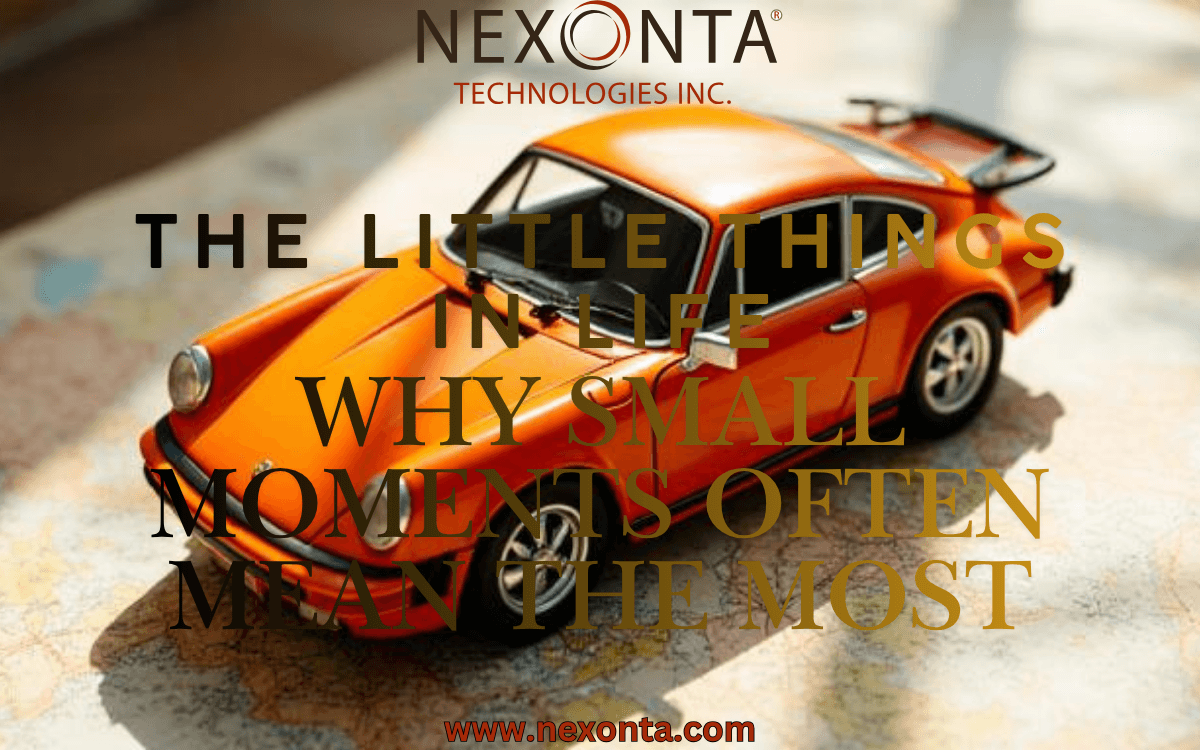
    It comes from a small 1:64 diecast model sitting on a shelf.

    To most people, it’s just a tiny toy car. To me, it’s something much bigger. Every time I look at one, I’m reminded that happiness isn’t always found in life’s biggest achievements. More often than not, it’s found in the small moments we experience every day.

    We Spend So Much Time Chasing the Next Big Thing

    Most of us grow up with big dreams.

    We want a successful career. A beautiful home. Financial freedom. Better health. A happy family. Maybe even a bucket list full of places to visit.

    Some of those dreams come true.

    Others change over time.

    Some quietly fade away because life takes us in a different direction.

    That’s perfectly normal.

    As one goal is reached, another usually takes its place. There’s always another mountain to climb or another challenge waiting around the corner.

    But while we’re busy looking ahead, something important can easily get overlooked.

    The journey itself.

    Life Happens Between the Big Moments

    When you really think about it, our lives aren’t made up of huge milestones.

    They’re made up of ordinary days.

    Morning coffee.

    A walk outside.

    A conversation with a friend.

    Watching the sunset.

    Sharing a laugh with family.

    Finding an old photograph.

    Or even picking up a small diecast car that reminds you of a memory from years ago.

    Those little moments may seem ordinary at the time.

    Looking back, they’re often the moments we remember the most.

    A Tiny Diecast Car Can Hold a Lifetime of Memories

    People sometimes ask why anyone would collect 1:64 diecast cars.

    The answer isn’t really about the cars.

    It’s about the memories they represent.

    One might remind you of the first car you owned.

    Another could bring back memories of your childhood.

    Maybe it reminds you of time spent with your parents, your kids, or your grandparents.

    Every collection tells a story.

    Each piece becomes a small reminder of a different chapter in life.

    That’s what makes them special.

    They’re more than collectibles.

    They’re memory keepers.

    The Little Things Add Up

    It’s easy to believe that happiness arrives after the next promotion, the next vacation, or the next big purchase.

    Sometimes it does.

    But lasting happiness usually comes from something much simpler.

    It’s built one small moment at a time.

    One smile.

    One kind conversation.

    One thoughtful gesture.

    One quiet afternoon.

    One tiny reminder that life is already giving us reasons to be grateful.

    Those moments may seem insignificant on their own.

    Together, they become a life well lived.

    Slow Down and Notice What’s Already Around You

    Modern life moves fast.

    There’s always another notification, another deadline, or another goal demanding our attention.

    It’s easy to rush from one thing to the next without really noticing what’s happening right in front of us.

    Taking a moment to slow down changes your perspective.

    You begin to appreciate the conversations you have.

    The people around you.

    The hobbies you enjoy.

    The memories you’ve collected over the years.

    Sometimes all it takes is one small object on a shelf to remind you that you’ve already lived through some pretty amazing moments.

    Final Thoughts

    The little things in life rarely make headlines.

    They don’t usually earn trophies or applause.

    Yet they’re often the moments that shape who we become.

    Whether it’s a favorite book, an old family photo, a cherished keepsake, or a small 1:64 diecast model, these simple reminders help us appreciate how far we’ve come.

    Big dreams are important.

    Keep chasing them.

    Just don’t forget to enjoy the little things along the way.

    Because one day, you’ll realize those little things were never little at all.

    A Simple Challenge for You

    Take a moment today to notice one small thing that makes you smile.

    Maybe it’s a favorite hobby, a meaningful keepsake, or a memory that brings you joy every time you see it.

    Those moments deserve to be appreciated.

    If this article resonated with you, share it with someone who could use a reminder to slow down and enjoy life’s simple pleasures. Sometimes the smallest moments leave the biggest impact.

  • SEO Has Changed: Why Human Strategy Still Matters in the Age of AI

    SEO Has Changed: Why Human Strategy Still Matters in the Age of AI

    SEO has changed. The way companies approach marketing today looks very different from just a few years ago. Artificial intelligence, automation, and data-driven tools have completely changed how businesses create campaigns, manage content, and reach customers.

    But there is one important lesson many companies are discovering:

    Technology can make marketing faster, but it cannot replace human thinking.

    For years, businesses relied heavily on automated campaigns. If a company had a strong reputation, loyal customers, and a proven track record, it was often enough to create ads, launch campaigns, and let the system do the rest.

    That approach worked — until the world changed.

    Over the past five years, businesses have faced more uncertainty, changing customer expectations, increased competition, and a much noisier online environment.

    A strong history still matters.

    But today, trust needs to be earned every single day.

    The Rise of AI in Marketing

    There is no question that AI has transformed marketing.

    Businesses can now create content faster, analyze customer behaviour, automate workflows, and improve campaign performance with tools that were impossible to imagine a decade ago.

    AI can help with:

    * Content ideas
    * Keyword research
    * Data analysis
    * Customer insights
    * Campaign optimization
    * Marketing automation

    These tools are incredibly valuable.

    However, there is one thing AI cannot create on its own:

    A genuine connection with your audience.

    That still requires people.

    AI Is a Tool, Not a Strategy

    One of the biggest mistakes businesses are making today is assuming AI can replace the entire marketing process.

    It cannot.

    AI can help improve your message, but it cannot fix a weak foundation.

    Think about it this way:

    If your original marketing message is unclear, generic, or disconnected from your customers, AI will simply help you create a better version of the wrong message.

    The result?

    A polished campaign that still does not connect.

    The foundation always comes first.

    You need to understand:

    * Who your customers are
    * What problems they are trying to solve
    * Why they should trust your business
    * What makes your solution different

    Once that foundation is strong, AI becomes much more powerful.

    The Human Element Matters More Than Ever

    Today’s customers are smarter.

    They recognize when content feels robotic. They notice when a company is simply pushing a product instead of providing value.

    People want to work with businesses they understand and trust.

    That means your marketing needs:

    A real voice.

    A clear message.

    A reason for customers to care.

    The best campaigns combine technology with human experience.

    AI can help you create faster.

    But humans create meaning.

    Great Marketing Still Requires Work

    There is a common misconception that AI makes marketing effortless.

    The reality is different.

    You still need to do the work.

    You need to write the first draft.

    You need to understand your audience.

    You need to review the message.

    You need to add your company’s personality and experience.

    Yes, AI can improve your writing. It can help organize ideas, suggest improvements, and make your content stronger.

    But the best results happen when AI supports your expertise — not when it replaces it.

    SEO Has Changed Because People Have Changed

    Search engines have evolved because customers have evolved.

    People are no longer just searching for keywords.

    They are looking for answers.

    They want helpful information. They want expertise. They want businesses that understand their needs.

    This means successful SEO today is not just about adding keywords to a page.

    It is about creating valuable content that helps real people.

    The future of SEO belongs to businesses that can combine:

    * Strong strategy
    * Helpful content
    * AI-powered tools
    * Human creativity
    * Real customer understanding

    The Future of Marketing Is Human + AI

    The companies that succeed moving forward will not be the ones that rely only on automation.

    They will be the ones that know how to use AI as a competitive advantage while keeping the human connection at the centre.

    AI can help you move faster.

    But your experience, knowledge, and voice are what make your brand different.

    The question is no longer:

    “Can AI create my marketing?”

    The better question is:

    “How can I use AI to make my marketing better?”

    That is where the real opportunity is.

    Ready to Build Smarter Marketing Campaigns?

    At Nexonta Technologies, we help businesses combine powerful technology with real marketing strategy.

    From SEO and content creation to AI-powered solutions, we help companies build campaigns that connect with customers and deliver measurable results.

    AI is changing marketing. Make sure your strategy changes with it.

    Contact Nexonta Technologies today and discover how AI-powered marketing can help your business grow.


☎ ✉
f 𝕏