
Tag: hot wheels history

  • It’s All in the Details: Why Hot Wheels Are More Than Just Toy Cars

    It’s All in the Details: Why Hot Wheels Are More Than Just Toy Cars

    Since 1968, Hot Wheels has been more than just a brand—it’s been a spark of joy for kids and adults alike. Generations have grown up with those tiny die-cast cars racing across living room floors, soaring over plastic tracks, and eventually being tucked into display cases like treasures.

    But here’s the thing most people don’t realize: what makes Hot Wheels so special isn’t just the nostalgia or the playtime memories. It’s the details.

    A Masterpiece in the Palm of Your Hand

    Every Hot Wheels car is a miniature work of art. The designers could easily stop at making them “look like cars,” but instead, they obsess over the tiniest features—grilles, headlights, logos, decals, wheel styles, even the texture of the paint.

    You can look at the same car on a different day and suddenly see something completely new. One day it’s the chrome outline on the tail lights that grabs your attention. The next, it’s a hidden stripe, a wheel detail, or the shimmer in the paint job you never noticed before. Each toy is its own masterpiece—offering up surprises every time you look at it.

    The Designers Behind the Magic

    Hot Wheels employs some of the most creative automotive designers in the world. Many of them are car lovers first and toy designers second. They’re not just shrinking down a vehicle; they’re reimagining it at 1:64 scale while keeping its personality intact.

    That’s why Hot Wheels can pull off everything from a Lamborghini that looks ready for a showroom floor to a flame-covered fantasy car that feels ripped out of a comic book. Both are detailed, both are playful, and both demand a second look.

    Why the Details Matter to Collectors

    For serious collectors, details are everything. A slight variation in paint color, a different wheel design, or even a small error in printing can turn a common release into a rare find worth hundreds—sometimes thousands—of dollars.

    But even if you’re not chasing value, the joy is in the discovery. Details give your collection depth. They remind you that this isn’t just about toy cars. It’s about craftsmanship, creativity, and the art of noticing things most people would overlook.

    The Joy of Looking Closer

    Hot Wheels has always been about more than racing across tracks. They invite you to slow down and really see. To notice. To appreciate.

    Because when you look closer, you realize that every car—whether it’s a $1 find from the grocery store or a rare collector’s edition—isn’t just a toy. It’s a story, told through tiny details that reward those who take the time to look.

    So the next time you pick up a Hot Wheels, pause for a second. Turn it over in your hand. Let your eyes wander. I guarantee you’ll spot something you hadn’t noticed before—and that’s where the magic lives.
  • Why Knowing Collectible History Boosts Their Value

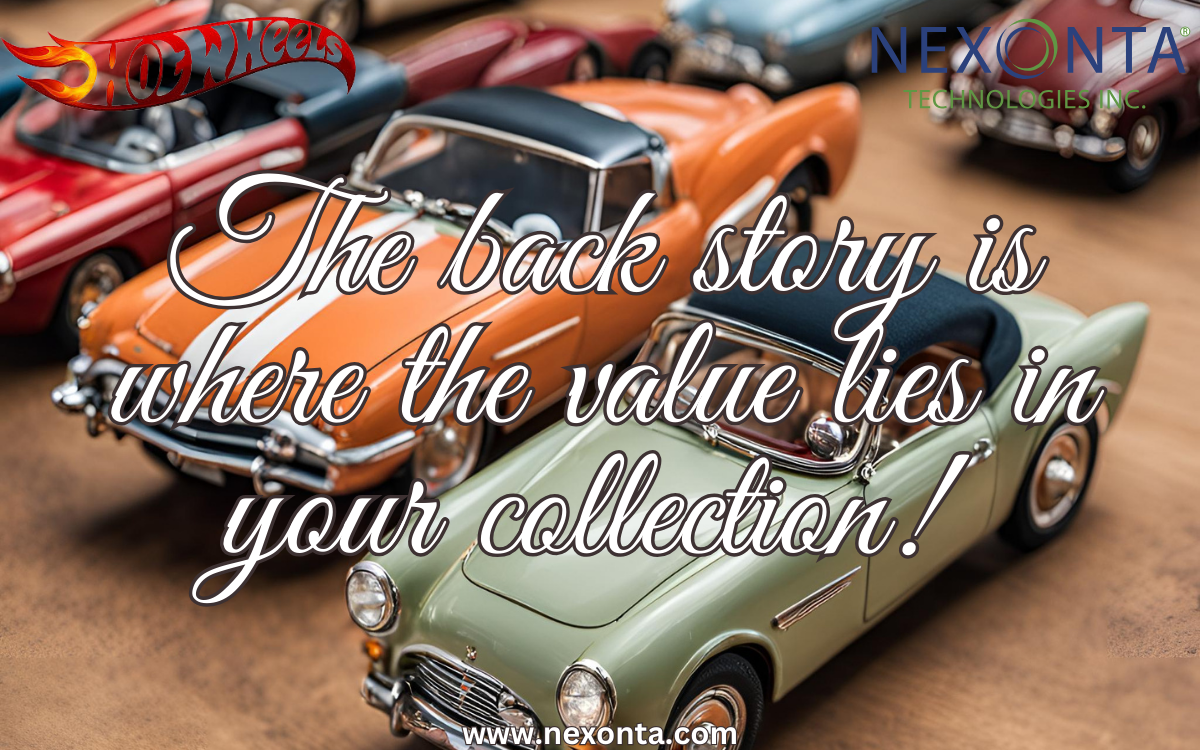
    Why Knowing Collectible History Boosts Their Value

    In the world of collecting, it’s easy to focus on the item itself—its condition, rarity, and market value. But have you ever stopped to wonder about the story behind the piece you hold so dear? Whether your passion lies in vintage toys, rare coins, antique furniture, or even art, understanding the history of what you collect can elevate your experience from mere ownership to true appreciation.

    Why the Backstory Matters

    Every collectible has a story. It could be the tale of its creation, the legacy of the company or individual who made it, or even the journey it took to find its way into your hands. These narratives not only add depth to your collection but also provide insight into the cultural, historical, and emotional significance of the pieces.

    Take, for example, a vintage Hot Wheels car. Sure, its design might be visually stunning, and its scarcity could make it a coveted item. But did you know that the first Hot Wheels cars were launched in 1968, designed to stand out with their flashy colors and speed on track sets? Understanding this context makes the car more than just a toy—it becomes a piece of history.

    Building Emotional Connections

    Learning the backstory of your collectibles creates an emotional bond. Items are no longer just objects; they become chapters in a greater narrative. Knowing that a collectible once belonged to a prominent figure, or that it was part of a limited run inspired by a cultural movement, adds a layer of personal pride to your collection.

    When you share these stories with others, your passion becomes infectious. People aren’t just drawn to the item—they’re captivated by its journey.

    Enhancing the Value of Your Collection

    Collectors often discuss the concept of value, which can be monetary, sentimental, or historical. While rarity and condition play a significant role in determining market value, the story behind an item can elevate it even further. A well-documented history can make an otherwise ordinary piece extraordinary.

    Imagine owning a vintage guitar. If that guitar was once played by a legendary musician, its value skyrockets. Similarly, if you collect art, knowing about the artist’s inspirations, struggles, and triumphs gives you a richer appreciation for the work.

    Where to Start: Tips for Researching Collectible Histories

    1. Dive into Company Histories: Learn about the origins of the brand or maker. Companies like Mattel, creators of Hot Wheels, have fascinating histories worth exploring.
    2. Trace Provenance: If possible, track the ownership history of the item. Auctions, certificates, and old receipts can provide clues.
    3. Explore Cultural Context: Understand the time period and events that influenced the item’s creation. Was it born out of innovation, necessity, or art?
    4. Engage with Communities: Join collector groups, forums, and social media pages. Fellow enthusiasts often have a wealth of knowledge to share.
    5. Seek Expert Opinions: Consult historians, appraisers, or museum archives for deeper insights into your collectible.

    The Thrill of the Hunt

    As you dive deeper into the stories behind your collection, you’ll find that the process of learning is just as rewarding as acquiring the item itself. It’s an adventure—one that connects you with history, culture, and like-minded individuals who share your passion.

    Conclusion

    Collecting is about more than amassing objects; it’s about cherishing the stories they carry. By taking the time to uncover the history of what you collect, you enrich your experience, enhance the value of your collection, and forge a deeper connection to the past. So the next time you acquire a new piece, ask yourself not just what it is, but *where it has been*. Because, as any seasoned collector will tell you, the real treasure lies in the story.

☎ ✉
f 𝕏